

Aseptic Bag in Box: Top 10 Products for Safe Liquid Storage
2026-07-15
When it comes to storing sensitive liquids—from juices and dairy to pharmaceuticals—maintaining sterility and freshness is non-negotiable. Aseptic bag-in-box systems have revolutionized the industry, offering a reliable, cost-effective way to protect product quality without the bulk of traditional containers. But with so many options flooding the market, how do you pick the right one? In this guide, we spotlight the top 10 aseptic bag-in-box solutions that combine durability, safety, and performance. Whether you're scaling production or refining your packaging line, you’ll want to explore how Kody’s innovative designs are changing the game for liquid storage.
Why Aseptic Bag-in-Box Solutions Dominate Modern Storage
The shift toward aseptic bag-in-box storage isn’t just about convenience—it’s reshaping how industries think about freshness and shelf life. By sealing sterile product into a pre-sterilized flexible pouch within a rigid outer container, oxygen and light are locked out, while the dispensing tap minimizes exposure during use. This approach keeps liquids like dairy, beverages, and even pharmaceutical ingredients stable for months without refrigeration, slashing energy costs and logistical headaches.
Part of the appeal lies in the sheer efficiency of space and material. An empty bag-in-box system ships flat, then expands to hold up to hundreds of liters, meaning trucks and warehouses can move and store far more product with less packaging waste compared to rigid bottles or drums. When the bag is empty, it collapses to a fraction of its filled volume, cutting disposal impact. It’s a quiet revolution that’s redefining sustainability metrics without sacrificing performance.
Beyond the practical perks, there’s a clever design element at work: the sealed system prevents backflow and contamination with every pour, maintaining the original sterility until the very last drop. For producers, this translates into fewer recalls and longer distribution reaches. For end users, it means a product that tastes exactly as intended, whether it’s opened on day one or week fifty—no preservatives required.
The Unseen Engineering Behind Safe Liquid Containment
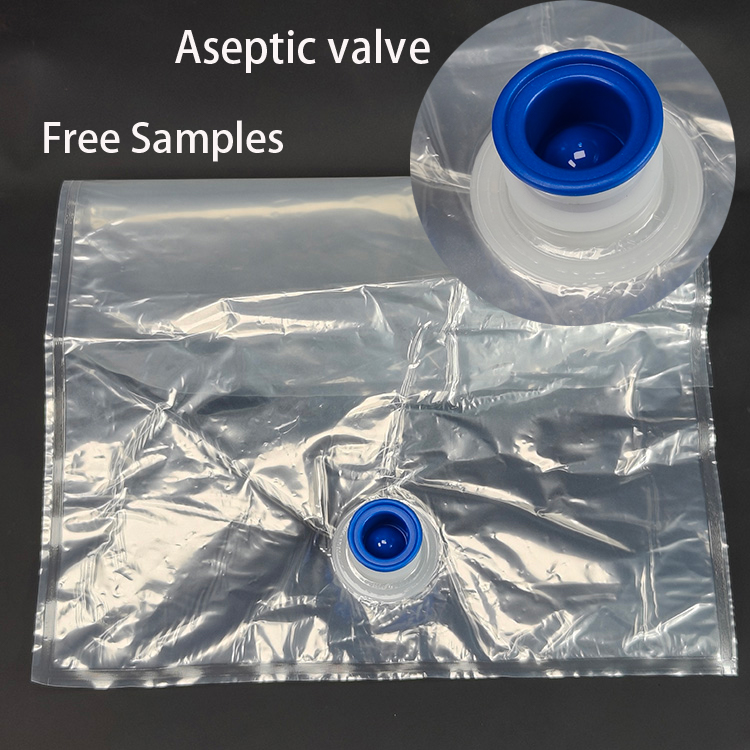
The secure storage of liquids—from drinking water to corrosive chemicals—depends on a quiet marriage of material science and structural design that rarely makes headlines. Engineers must anticipate not just the obvious threat of a spill, but the microscopic vulnerabilities that develop over time. A storage tank is a dynamic system, constantly flexing with temperature swings, vibrating from nearby machinery, and enduring chemical interactions that can turn solid steel into a crumbling lattice. Every weld, gasket, and lining is chosen to resist a specific menu of hostile conditions, often for decades without direct human inspection.
Beyond the tank wall itself, the real genius lies in containment redundancy. A single barrier is never enough. Secondary containment systems—concrete dikes, double-walled vessels, or impermeable liners beneath the primary unit—act as silent sentinels. They are designed not with a simple assumption that “it might leak,” but with precise calculations of maximum credible failure rates under earthquake loads, overpressure events, and material fatigue. The geometry of these backup systems is also meticulously optimized: a dike wall height that contains the full tank volume plus rainfall for a hundred-year storm, while still allowing access for firefighting equipment.
Perhaps the most underappreciated aspect is how fluid dynamics shapes containment design, long before anything is built. The shape of a tank is never arbitrary; it’s a compromise between hydrostatic pressure distribution, ease of cleaning, and the prevention of vapor space explosions. In floating-roof tanks, for example, the roof moves with the liquid level to nearly eliminate flammable vapor zones, while the seal around its edge must handle thermal expansion without creating gaps. These quiet innovations, perfected over a century of trial and failure, are why a petrochemical plant can sit next to a residential neighborhood without the public ever noticing the scientific ballet keeping them safe.
How Top-Tier Products Eliminate Contamination Risks
Truly exceptional products start with materials that actively resist contamination before a single drop is ever dispensed. Instead of relying on basic plastics or reactive metals, they incorporate medical-grade elastomers and ultra-smooth ceramics that deny bacteria a place to cling. Surfaces are engineered at a microscopic level, with radii and finishes so precise that fluids bead and roll away, leaving nothing behind to degrade or breed. This isn't just about cleanliness—it's about fundamentally reshaping the physical interaction between product and environment so that contamination becomes a near impossibility.
Beyond materials, the flow path itself is reimagined as a sealed, self-contained ecosystem. Every joint and connection is minimized or eliminated through single-piece construction or fusion bonding techniques that leave no crevices for pathogens to hide. Advanced check valves and sterile barriers operate on a scale so small and rapid that backflow is physically prevented, not just filtered after the fact. The result is a system where the contents never touch the outside world from source to point of use, maintaining purity in ways that after-the-fact cleaning simply cannot match.
Finally, intelligent sensing shifts the paradigm from reactive cleanup to proactive protection. Embedded sensors track pressure differentials, UV exposure, or even biochemical markers in real time, triggering immediate isolation of any compromised segment before contamination can spread. This creates a living, breathing product that constantly verifies its own integrity, adapting to conditions rather than waiting for a scheduled check. It’s a quiet, continuous safeguard—one that operates so seamlessly you might never notice it, until you realize that failure has become something that happens to other products, not this one.
Comparing the Leading Systems for Diverse Liquid Types
When handling everything from thin solvents to viscous pastes, not all systems are built alike. Some prioritize sheer throughput, while others focus on gentle product handling or rapid changeover times. The real differentiator often comes down to how a system manages the transition between incompatible liquids—those moments where residue or cross-contamination can derail an entire batch. We’ve seen setups that rely on dedicated lines for each category, and others that use aggressive CIP (clean-in-place) cycles between runs. The sweet spot tends to be a modular design that pairs interchangeable filling heads with smart valve technology, letting you switch from a foamy detergent to a chunky sauce without breaking stride.
Beyond the hardware, control software plays a quiet but critical role. A system that automatically adjusts piston speeds, nozzle dwell times, and vacuum levels based on the liquid’s viscosity curve can save hours of manual fine-tuning. Some advanced platforms even store dozens of recipes, complete with agitation profiles for settling-prone liquids like pulpy juices or pigment-heavy paints. During a recent project, we observed that the difference between a mediocre and a standout system wasn’t about top speed on water-like fluids, but how gracefully it handled a sudden switch from a low-surface-tension oil to a shear-thinning gel. The best systems anticipate these transitions and compensate in real time—keeping waste low and operator intervention to a minimum.
Practical Scenarios Where These Bags Outperform Traditional Tanks
When sudden floods threaten a basement, every second counts. Unlike rigid tanks that require permanent installation and plumbing connections, flexible water storage bags can be deployed in minutes. Roll them out, fill them with a standard garden hose, and you have an immediate barrier against rising water. Their lightweight design means a single person can maneuver them into tight corners where wheeled tanks simply won't fit. After the crisis passes, they drain flat and stash away on a shelf, reclaiming space that a bulky tank would occupy year-round.
For off-grid cabins or remote campsites, hauling a 200-gallon rigid tank up a dirt trail is a non-starter. Collapsible bags fold into a backpack, then expand to hold weeks of potable water upon arrival. They won't crack when water freezes because the flexible material accommodates expansion, a common failure point for hard-shell tanks in cold climates. Plus, the absence of metal components means no corrosion, even when storing slightly acidic rainwater collected from a cabin roof.
Mobile detailers and pressure washers often operate from vans where square footage is at a premium. A single folding bag can replace multiple 55-gallon drums, sliding into the narrow space behind a wheel well when not in use. During operation, the bag’s low center of gravity prevents sloshing that destabilizes vehicles, a danger with tall cylindrical tanks. The non-rigid walls also allow the container to conform to irregular trunk contours, turning dead space into usable storage without the need for custom brackets or permanent modifications.
What to Look for When Selecting a Long-Lasting Storage Option
The difference between a storage solution that crumbles after a season and one that genuinely outlasts expectations often comes down to the raw materials. Thick, cold-rolled steel, dense hardwoods that have been properly kiln-dried, and reinforced corner joints rarely lie about their longevity. Spend a moment checking the thickness of the metal, the grain and finish of the wood, and the quality of any moving parts—hinges that feel solid and locks that engage with a satisfying click are small tells of a build that won’t warp or wear out prematurely. If something feels flimsy in the hand, it’s probably not built to endure years of daily use.
The environment where the storage will live is just as important as the unit itself. Unfinished steel in a damp basement is a recipe for corrosion, while untreated wood expands and contracts more than people realize in fluctuating humidity. Look for details like sealed gaskets on doors, protective powder coating, or even integrated ventilation if moisture is a known issue. For anything that will see sunlight, UV-resistant finishes prevent the slow, chalky decay that outdoor plastics suffer. The goal is a solution that doesn’t demand constant micromanagement to stay intact.
Beyond physical toughness, a design that respects how needs shift over time tends to age more gracefully. Fixed dividers can become obstacles, while shelves that are easy to adjust let you reshape the interior as what you store changes. Pay attention to how easily surfaces can be wiped down or how accessible the contents remain months later—deep, dark corners where things disappear rarely get used well. The best long-term storage disappears into the background and still functions as expected five or ten years on, without a trail of maintenance headaches or broken promises.
FAQ
It's a packaging method where a sterile bag is filled with liquid and placed inside a protective box. The aseptic process involves sterilizing the bag and filling it in a controlled, germ-free environment, then sealing it airtight. This keeps the liquid safe without needing preservatives, as nothing can enter once sealed.
Bag-in-box reduces waste since the bag collapses as you dispense, preventing air contact and spoilage. It's lighter, easier to transport, and takes up less space when empty. Plus, it often costs less per unit of liquid stored compared to rigid containers.
Food and beverage companies love it for juices, wines, and dairy. Pharmaceuticals use it for sterile solutions, and even cosmetic manufacturers rely on it for lotions. Basically, any business needing long shelf life without refrigeration can benefit.
Look for multi-layer bags with excellent oxygen barrier properties, a reliable fitment or tap, and a robust outer box. The best ones also come with certifications for aseptic processing and compatibility with your filling equipment. Consider the tap design for easy dispensing, too.
Yes, they're surprisingly versatile. Thin liquids like water or wine work perfectly, and thicker products like smoothies, sauces, or even cosmetic creams can be accommodated with specialized bags and taps designed to handle higher viscosity without clogging.
Unopened, aseptic bag-in-box can keep liquids fresh for months or even years, similar to canned or bottled goods. Once opened, it outperforms rigid containers because the bag collapses, minimizing air exposure. Many products stay good for weeks in the fridge after opening.
They range widely. For home use, 1-5 liters is common. Restaurants might use 10-20 liter bags. Industrial settings often go for 200-1000 liter options. You can basically find any size in between, making it scalable for different needs.
Increasingly, yes. Many bags are now made with recyclable materials, and the boxes are cardboard, easily recycled. The reduced weight cuts transportation emissions, and since it empties completely, there's less product waste. Some brands even offer refillable outer boxes.
Conclusion
Aseptic bag-in-box systems have quietly revolutionized how liquids are stored, transported, and dispensed across industries. Their dominance stems from a blend of smart engineering and uncompromising safety standards—multi-layer film barriers, oxygen scavengers, and sterile filling processes work together to create a fortress against contamination. Unlike rigid tanks, these flexible containers collapse as they empty, preventing air intake and preserving product integrity without the need for chemical preservatives. Whether it’s sensitive dairy, high-acid fruit juices, or pharmaceutical intermediates, the best solutions adapt to the liquid’s specific demands, from UV light protection to tailored oxygen transmission rates. Practical comparisons reveal their edge in real-world scenarios: they drastically reduce cleaning costs, cut down on warehouse footprint, and eliminate the oxidation-related waste that plagues traditional stainless steel vats. When a dairy processor switches to bag-in-box for bulk cream, they’re not just saving space—they’re gaining months of extra shelf life and slashing their carbon footprint by minimising return-trip transport of empty containers.
Selecting a lasting storage option goes beyond picking a supplier; it’s about matching the film structure to the liquid’s acidity and particulate load, verifying aseptic validation protocols, and examining the fitment and connector design for leak-free performance under real pumping conditions. Top-tier products distinguish themselves through consistent seal integrity, documented barrier data, and compatibility with automated filling lines that maintain sterility at every step. They also offer scalability—from 2-litre laboratory bags to 1,400-litre industrial formats—without compromising on safety. The unseen engineering, such as nylon-EVOH coextrusions or specialised inner coatings, is what prevents pinholing and delamination during long-term storage. Ultimately, the true measure of these systems is in the field: hospitals rely on them for enteral nutrition that stays fresh for weeks, wineries use them to maintain aromatic profiles during transport, and emergency response teams count on them for rapid deployment of sterile water. By focusing on these practical demands, the best aseptic bag-in-box products have become an indispensable tool for anyone who takes liquid purity seriously.
Contact Us
Contact Person: Cindy Lee
Email: [email protected]
Tel/WhatsApp: 8613622669331
Website: https://www.dgkody.com