

Best Walk-Behind Power Trowel Picks for High-Quality Concrete Finishing
2026-08-03
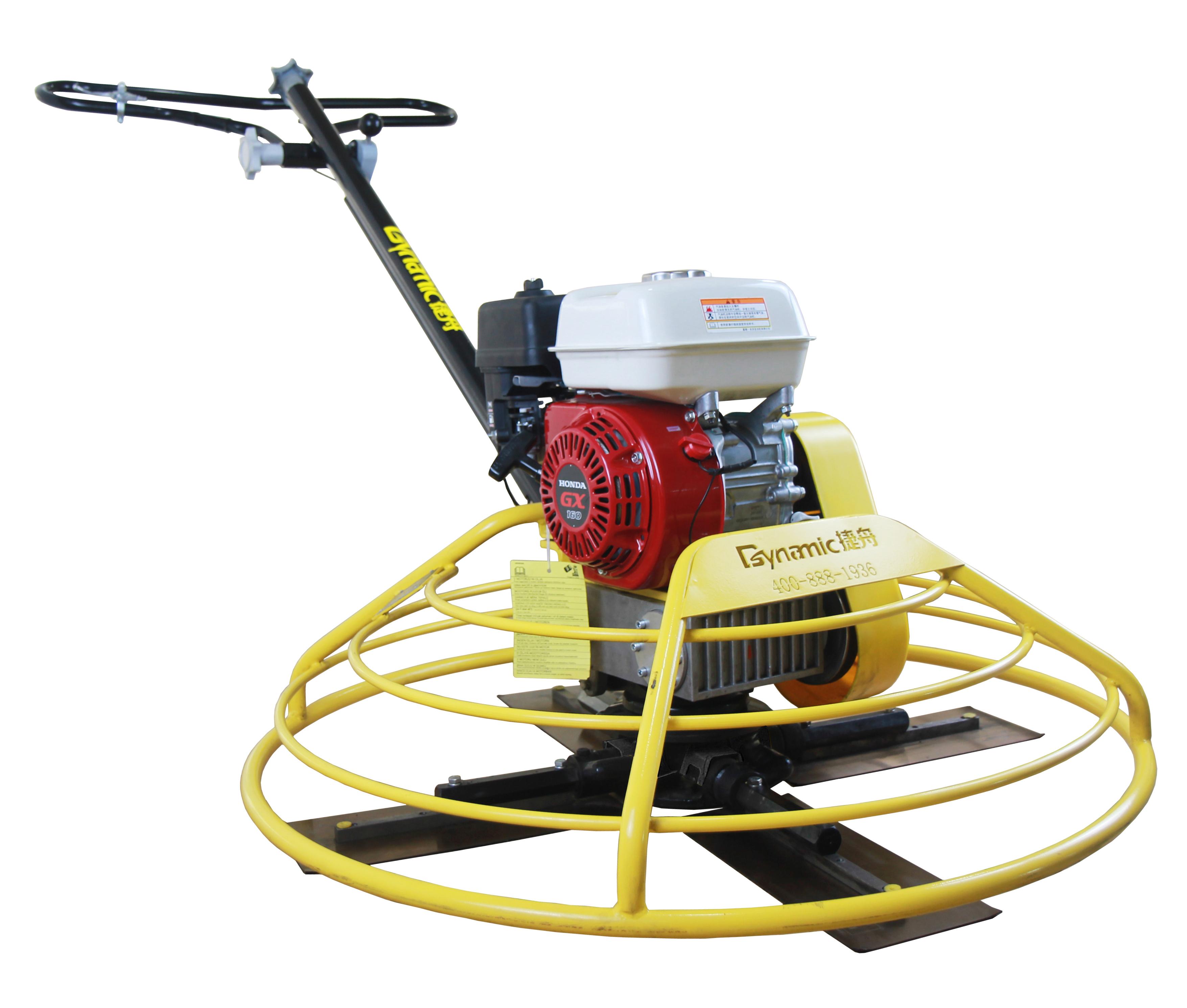
Achieving a flawless concrete finish demands the right tool, and walk-behind power trowels are the go-to for professionals who won’t settle for less. Whether you’re tackling a large slab or refining edges, the right machine can make all the difference between a mediocre surface and a mirror-smooth result. Among the top contenders, Dynamic stands out for its blend of durability and precision, earning a spot on job sites worldwide. But with so many models claiming peak performance, how do you choose? In this guide, we’ll cut through the noise and reveal our best walk-behind power trowel picks that deliver high-quality concrete finishing—without the guesswork.
What Separates a Pro-Grade Walk-Behind Trowel from the Rest
The first thing you notice with a pro-grade walk-behind trowel is the sheer stability it offers under load. Cheaper models tend to wobble or chatter when you hit denser spots in the concrete, but a professional machine stays planted. That comes down to a heavier, more rigid frame and a gearbox that’s built to transfer power without flexing. This isn’t just about comfort—it directly affects the flatness and levelness of the finish, especially on larger pours where consistency matters most. You won’t find stamped steel and plastic bushings on these; it’s all cast iron, sealed bearings, and thick-gauge spider assemblies that resist distortion over years of daily use.
Another telltale sign is how the machine manages torque and blade speed. Pro trowels feature adjustable pitch controls that actually hold their setting, letting you dial in the exact blade angle needed for finishing versus floating. Combine that with an engine or motor that delivers ample low-end grunt, and you can walk the machine through the entire curing window without stalling or ripping the surface. The blades themselves are another differentiator—often made from hardened, precision-ground steel rather than generic stamped versions, so they stay sharp longer and produce a noticeably denser, burnished slab.
Durability also shows up in places that aren’t immediately obvious: spine-handle linkages that don’t develop slop after a few months, vibration-isolated operator stations that reduce fatigue, and serviceable drivetrain components that can be rebuilt rather than tossed. In a rental or high-production setting, those details mean the difference between a tool that’s always ready to go and one that spends every other week in the shop. Ultimately, the gap between a pro-grade walk-behind and the rest comes from an uncompromising approach to every component—because on the job site, consistency and uptime are what actually pay the bills.
The Quiet Performers That Earn Their Keep on the Job Site
On any bustling job site, it’s easy to fixate on the towering cranes and earth-shaking excavators. But tucked away in corners, often humming softly, are the essential machines that keep the workflow seamless. They don’t demand attention, yet without them, progress would stutter to a halt. These are the quiet performers—the compact generators providing power where lines haven’t reached, the air compressors fueling pneumatic tools without complaint, and the submersible pumps silently managing water that could otherwise flood a workspace.
What makes them so valuable is their blend of reliability and understated design. They’re built to run for hours with minimal oversight, often engineered with noise-dampening features that protect workers’ hearing and maintain focus. A portable battery pack, for instance, can power lights and chargers without the drone of a diesel engine, while a rugged dehumidifier works through the night to keep materials dry. Their contributions aren't flashy, but they’re felt in the uninterrupted rhythm of the crew.
Investing in these performers is rarely a headline decision, but seasoned crews know it’s a make-or-break one. They earn their keep not through spectacle, but through countless small victories—a start-up that never fails in the cold, a steady flow of compressed air that doesn’t waver, or a dry foundation after a downpour. They’re the kind of tools that don’t get bragged about at the bar, but are quietly thanked when the day wraps up ahead of schedule.
Little-Known Features That Make a Big Difference in Finish Quality
It’s tempting to focus on the obvious factors like material grade or tool sharpness when chasing a flawless surface. But often, the real game-changers are subtle features hidden in the process itself. A slight tweak in dwell time at the bottom of a pocket, for instance, can let vibrations fade before the next pass, erasing scallop marks almost entirely. Similarly, the synchronization between spindle speed and feed rate—something rarely mentioned in manuals—can transform a dull, scuffed finish into a near-mirror sheen. These aren’t advanced theories; they’re practical little adjustments that separate consistent quality from mediocre results.
Another overlooked gem is the use of spring passes, but with a twist: varying the stepover incrementally instead of repeating the exact same toolpath. This breaks up harmonic patterns that create visible ridges, especially on contoured surfaces. And don’t underestimate the role of chip evacuation—strategic pauses or pecking cycles in blind holes prevent re-cutting chips that scar the walls. It’s rarely about one big fix; it’s stacking these small, clever moves that elevates finish from acceptable to exceptional.
How to Match Trowel Specs to Your Concrete Projects
Matching a trowel to your concrete work is less about brand loyalty and more about understanding two things: the blade material and the handle design. For most standard finishing, a stainless steel trowel with a broken-in edge will let you float and finish without tearing the surface. If you’re dealing with air-entrained or sticky mixes, go for a blue steel blade—it starts out with a slightly rougher surface that keeps the concrete from grabbing too early, letting you smooth things out without fighting the material.
Pay attention to the flex and length as well. Short, stiff trowels in the 12- to 14-inch range give you more control for tight spots, while longer, more flexible models (16 inches and up) help you cover ground on open slabs with a flat, even finish. The trick is to pick a flex that matches your pressure: a softer flex bends under light pressure for a smoother finish, but if you tend to push hard, you’ll want a stiffer blade that holds its shape.
Don’t overlook the handle—ergonomics make a real difference when you’re on your knees all day. A handle with a slight tilt and a comfortable grip can prevent wrist strain and give you better feel for the surface. Try a few in hand before you commit, and remember that even the best trowel needs a proper break-in period to truly shine on your specific mix.
Simple Adjustments That Extend Blade Life and Save Money
One of the easiest things you can do is simply wipe the blade dry right after washing it. Water left sitting on the edge, especially if it's hard water, causes tiny spots of rust that dull the edge faster than you'd think. I also started storing my knives on a magnetic strip instead of loose in a drawer, which seems minor but stops the edges from banging into other utensils and getting nicked. It's such a small habit change, but I notice I'm sharpening way less often.
Another thing that makes a surprising difference is what you're cutting on. Switching to a wooden or soft plastic board instead of glass or granite saves the edge from microscopically folding over with every chop. And if you take ten seconds once a week to realign the edge with a honing steel—not even a full sharpening, just a quick realignment—the knife stays sharp much longer. Fewer trips to the sharpening service means more money in your pocket over time.
Floor Flatness Tricks the Manuals Rarely Mention
One trick that rarely makes it into the manuals is using a laser level not just for reference, but as a real-time feedback loop. Instead of setting up the laser, shooting grades, and then working blindly between checks, keep the receiver on the screed or trowel machine. This lets you see instantly if you're drifting high or low, especially across large pours where subtle inconsistencies compound. It’s a simple hack that turns a static tool into a dynamic guide, saving time and material.
Another overlooked method is ‘wet-screeding’ with a straightedge that’s intentionally rigged with a slight crown. Most manuals assume you want a dead-flat floor, but in areas where drainage matters—like commercial kitchens or outdoor slabs—building in a subtle slope during the pour eliminates the need for later grinding. You can shim the straightedge with a few wraps of tape on one end to create this controlled pitch, and the concrete will settle to match. It’s a low-tech fix that delivers surprisingly precise results.
Finally, pay attention to the ‘slump adjustment window’—a short period right after initial strike-off when the mix is still responsive to minor tweaks. The manuals emphasize slump before placement, but experienced finishers know you can lightly mist the surface or use a jitterbug to tighten up shallow low spots during this phase without affecting the overall set. It takes a trained eye, but once you master this timing, even challenging aggregates and weather conditions become manageable without adding extra water or admixes.
FAQ
A walk-behind power trowel lets you cover large areas quickly while delivering consistent, high-quality results. It eliminates the unevenness and fatigue that come with hand troweling, and the adjustable blade pitch helps you achieve the exact surface texture you need as the concrete sets.
Float blades are wider and used during the initial pass to open up the surface, flattening and leveling the concrete without sealing it too early. Finish blades are narrower and designed for the final passes, creating a hard, slick surface once the concrete has stiffened. Many pros swap them out as the job progresses to get the best outcome.
Look for a sturdy, wraparound guard ring to protect the blades and your feet, a dead-man's switch that stops the blades instantly if you release the handle, and a low center of gravity to prevent tipping. Vibration-reducing grips and a kill switch are also great for long shifts on the slab.
They work surprisingly well for decorative concrete if you time it right. For exposed aggregate, use float blades early to embed stones without dislodging them. Stamped concrete usually needs hand detailing near edges, but the walk-behind trowel can cover the main area before stamping. Just avoid over-finishing, which can dull the decorative effect.
Bigger blades cover more ground per pass, making them ideal for warehouses or parking lots where speed is everything. But on residential patios or basements with tight corners, a machine with smaller blades gives you better control and lets you get close to walls without marking them. It's all about matching the tool to the workspace.
Clean the blades and undercarriage after every pour to prevent buildup that can gouge the next slab. Check the gearbox oil monthly, and inspect the drive belt or clutch for wear. Sharpen or swap blades as soon as they show nicks, and always store it on a flat surface to avoid warping the spider. A little upkeep goes a long way.
Conclusion
When you’re after a flawless slab, the right walk-behind power trowel makes all the difference—pro-grade models stand apart with robust gearboxes, responsive pitch controls, and balanced weight that lets you float and finish without wearing out your arms. On the job, the quietest machines often prove the most productive, letting crews communicate easily while maintaining a steady rhythm on large pours. Subtle design touches, like overlapping blade paths or vibration-dampened handles, can elevate floor flatness far beyond what basic specs suggest. Matching a trowel to your project isn’t just about diameter; it’s about blade speed, configuration, and even engine torque for those thicker, sticky mixes that demand more muscle.
Keeping your trowel in top shape means going beyond routine greasing—simple tweaks like adjusting blade pitch evenly across all arms, or timing blade rotation to avoid chatter, extend blade life and save real money. And when it comes to achieving that glass-smooth finish, old-timer tricks like working the slab in a cross-hatch pattern, or subtly feathering the throttle at the edges, can beat anything you’ll find in the manual. These picks aren’t just tools; they’re partners in turning rough concrete into a surface that reflects your skill.
Contact Us
Contact Person: Annie
Email: [email protected]
Tel/WhatsApp: 8613391442963
Website: https://www.dynamic-eq.com