

China Angiographic Control Syringe: Key Benefits and Selection Tips
2026-09-05
Angiographic control syringes may look alike, but the gap between a dependable one and a problem waiting to happen is wider than most teams realize. China's manufacturing base has matured rapidly, producing syringes that now rival legacy brands in pressure handling, visibility, and tactile feedback—if you know what to look for. From locking mechanisms to barrel clarity, each detail affects contrast delivery and patient safety. Here's a practical look at the key benefits and selection tips that separate the best Chinese options, including those from INT, from the rest.
Why Pressure Accuracy Is Non-Negotiable in Angiography
During angiography, pressure readings guide every critical decision—from catheter placement to contrast injection timing. A deviation of even a few mmHg can distort the hemodynamic picture, leading clinicians to misjudge stenosis severity or vessel responsiveness. Unlike many imaging parameters that tolerate small errors, pressure data feeds directly into calculations like fractional flow reserve (FFR) and instantaneous wave-free ratio (iFR). If the transducer drifts or the zeroing is off, the entire diagnostic chain collapses, and the patient may be subjected to unnecessary intervention or, worse, a missed lesion.
The physical environment of the cath lab compounds the challenge. Long tubing, multiple stopcocks, and patient movement all introduce potential error sources that demand constant vigilance. A pressure waveform that looks normal on the monitor can still be misleading if the system hasn't been properly flushed or if air bubbles remain trapped. Experienced operators know that verifying pressure accuracy isn't a one-time setup step—it's an ongoing responsibility. They check the waveform morphology, re-zero after any height change of the transducer, and compare cuff pressures with invasive readings at the start of every case.
Beyond diagnosis, pressure accuracy directly affects safety. Injecting contrast through a catheter wedged in a small vessel can cause dissection if the pressure isn't monitored to detect a damped waveform. Similarly, left ventricular end-diastolic pressure (LVEDP) measurements guide fluid management and anticoagulation decisions. When pressure data is treated as optional or "good enough," complications rise and outcomes suffer. In angiography, precision isn't a luxury—it's the foundation upon which every subsequent action rests.
Barrel Material and Its Quiet Impact on Image Quality
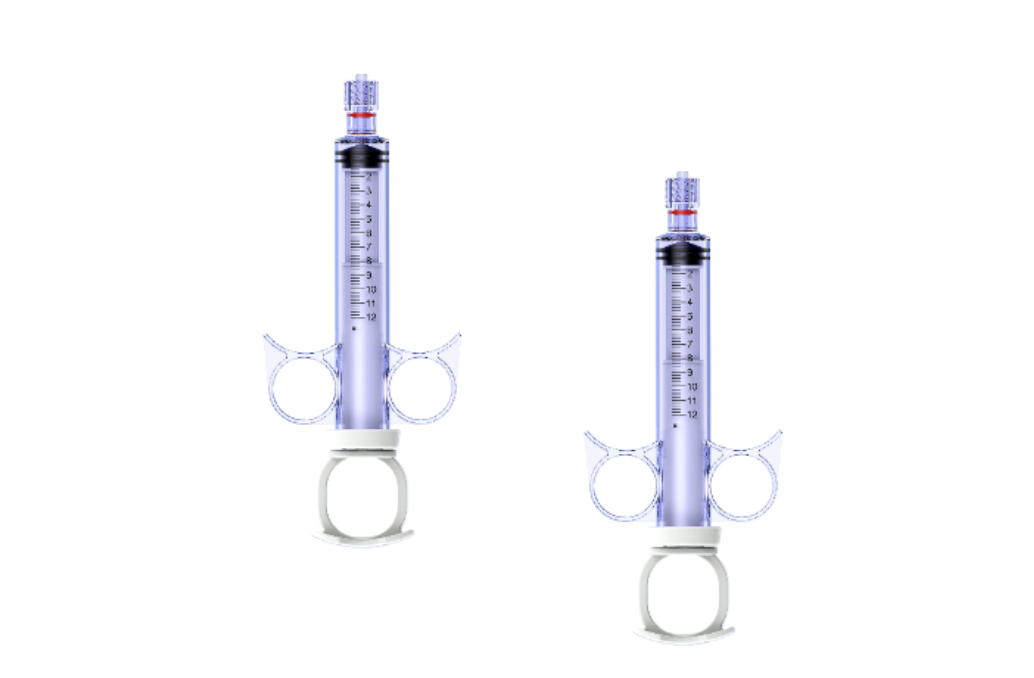
Lens barrel material rarely shows up on spec sheets, yet it shapes image quality in ways that accumulate over thousands of exposures. Metal alloys, particularly brass and aluminum, offer better dimensional stability than polycarbonate when temperatures swing. That stability keeps lens elements aligned to their optical axis; even a fraction of a millimeter of tilt from thermal expansion can soften corner sharpness or introduce asymmetric field curvature. Plastic barrels, while lighter, tend to expand and contract more noticeably, which can subtly alter focusing accuracy on hot days or during long shoots.
Beyond geometry, the barrel’s interior finish matters as much as its structural material. A rough or glossy inner wall can scatter stray light, reducing micro-contrast and creating veiling flare even when no obvious light source is in frame. Machined metal barrels often receive matte coatings or ribbed baffles that trap off-axis photons, whereas molded plastic parts may have smoother internal surfaces that reflect more readily. Additionally, metal barrels dampen mechanical vibrations faster than plastic, reducing the chance of shutter-induced blur at moderate shutter speeds.
There is also a quieter influence: how the material behaves under stress. Zoom and focus mechanisms transfer force through the barrel, and a rigid metal shell resists flexing better than a thin plastic one. Less flex means the lens group spacing stays closer to design tolerances during aggressive focusing or when a lens is carried on a strap for hours. Over time, metal barrels resist wear at the bayonet and internal cam surfaces, so the lens holds its original optical alignment longer—an advantage that never appears in a single test chart but shows up in consistent image quality years down the road.
Ergonomic Design Features That Actually Matter in the Room
Most chairs claim lumbar support, but the feature that actually saves your back is adjustable seat depth. If the front edge presses into the back of your knees, you'll unconsciously slide forward and lose all that fancy support. Look for a seat pan that lets you shorten the depth by at least two inches. Then set the armrests so your elbows rest at a 90-degree angle with shoulders relaxed—anything higher forces your traps to stay engaged all day.
Desk height matters less than the distance between your eyes and the screen. A monitor placed too low forces your neck into a constant downward tilt, which adds up to real stiffness by mid-afternoon. Raise the display until the top third of the screen sits at eye level, and pull it close enough that you don't need to lean forward. If you wear progressive lenses, drop the monitor another two inches and tilt it back slightly—this keeps your chin from lifting to find the reading zone.
The least talked-about ergonomic feature in a room is floor clearance under the desk. Without enough space to stretch your legs out or cross your ankles, you end up bracing your feet against the wall or curling them under the chair, which shortens your hip flexors over time. A footrest helps only if it's wide enough for both feet and angled to match your natural ankle position. Also check the light source: a window directly behind your screen creates glare that makes you squint and jut your head forward, undoing every other adjustment you've made.
Connector Standards That Prevent Mid-Procedure Disasters
Few moments in a clinical setting feel as precarious as discovering a connector has partially disengaged just as a critical infusion is underway. The standards that govern these small but vital components exist precisely because a loose Luer lock or an incompatible valve can turn a routine procedure into an emergency. What often gets overlooked is that many disasters stem not from outright failure, but from subtle mismatches—a slight variation in thread pitch, a seal that tolerates only a narrow range of torque, or a material that softens when exposed to certain lipids. Robust standards force manufacturers to design against those hidden failure modes, ensuring that a connection made under pressure remains secure even when someone’s hands are sweating or the patient moves unexpectedly.
Yet standards alone cannot prevent every mishap if clinicians do not understand the limits they encode. For instance, connectors rated for a specific number of disconnects may still be used well beyond that lifetime in busy wards, and adapters meant for low-pressure gravity feeds get pressed into service on powered injectors. The most effective prevention comes from pairing rigorous connector standards with hands-on training that teaches staff how to recognize early signs of wear or inappropriate pairing. When that combination is in place, the connector becomes an unremarkable part of the procedure—exactly as it should be.
Single-Use vs. Reusable: A Real-World Cost Comparison
A reusable coffee cup might set you back $18, while the paper cup surcharge at your local café is only ten cents. That sounds like a terrible deal for reusables until you do the math over six months: one coffee per workday means the surcharge adds up to about $12, but you also need to wash that cup, and the occasional lost lid or forgotten cup wipes out the savings. The real-world break-even point for most reusables is not 20 uses but closer to 100 once cleaning and replacement costs are included.
For high-frequency items like water bottles or lunch containers, the numbers flip quickly. A $35 steel bottle replacing three $1.50 disposable bottles a week pays for itself in about eight weeks, even with soap and hot water costs. But low-use reusables—holiday serving trays, specialty straws, travel cutlery—often never hit that threshold before they end up in a drawer. The practical comparison isn't single-use versus reusable; it's whether the reusable item will actually be used enough times to cover its production footprint and weekly washing.
Decoding Supplier Documentation for Reliable Sourcing
Supplier documentation often arrives as a dense mix of technical specs, compliance sheets, and contractual fine print. Rather than skimming for the familiar parts, start by mapping each document to the specific risk it addresses—material origin, production capacity, or certification validity. This shifts the reading from passive acceptance to active verification, which is where reliable sourcing actually takes shape.
Pay attention to mismatches between what a supplier claims in conversation and what the paperwork shows. A capacity sheet might list machinery that a factory no longer owns, or a test report may reference a standard that was updated two years ago. Flagging these discrepancies early prevents the costly discovery later that your source cannot deliver under load. Ask for revision dates, certificate numbers, and the exact entity named in each document.
Finally, don't treat documentation as a one-time checkpoint. Reliable sourcing depends on repeating the decode at every order cycle, because suppliers change processes, subcontractors, and raw material sources without always announcing it. Build a habit of comparing the newest documents against the previous set—the differences, however small, often reveal shifts in quality or compliance before they show up in the product itself.
FAQ
Many Chinese suppliers now use medical-grade polycarbonate with tight tolerance molding, so the barrel clarity and plunger glide feel close to premium imports. Cost is lower, but the real difference is faster customization for connector types and volume markings. You still need to confirm the pressure rating rather than assume it is all the same.
Start with the connector: Luer lock is common but not universal. Measure the barrel diameter and length, and check the maximum pressure on the injector's spec sheet. Ask the supplier for a compatibility list or a sample to test before committing to bulk orders. A 200 psi syringe will not hold up in a 300 psi application.
Most adult diagnostic runs use 100 to 150 mL per injection sequence, but a 200 mL syringe gives extra headspace for flushing and reduces refill interruptions. Pediatric cases do better with 50 to 100 mL. Having a mix of 100 mL and 200 mL in stock covers most workflow without clutter.
Look at the rubber plunger tip. Cheaper nitrile blends can shed particles or swell with certain contrast media. Ask for a certificate of analysis and check for silicone oil content. A smooth, low-friction plunger is good, but too much silicone can contaminate the line. Request batch consistency data or run a small pilot order.
At minimum, ISO 13485 and CE marking for the product. If you buy for the US market, FDA 510(k) clearance is non-negotiable. Some suppliers also hold ISO 9001 for general quality management, but that alone is not enough for medical devices. Verify the certificate number on the accrediting body's database.
Order combined shipments of syringes, tubing, and stopcocks from one supplier to reduce freight and customs fees. Negotiate based on annual volume rather than a single cargo. Ask for transparent breakdowns of raw material costs and sterilization fees. Beware of prices far below market average, which often signal recycled plastic.
Most reputable factories use ethylene oxide gas sterilization with validated cycles and provide lot-specific sterility reports. Check if the packaging is double-blister or peel-pouch to maintain sterility until the point of use. Refuse any supplier that cannot provide a sterilization validation report for the exact syringe model.
Ask for burst pressure testing at 1.5 times the rated pressure, leak tests on the connector, and particulate matter counts per USP <788>. A good supplier will also provide extractables data for the plastic and lubricant. Run a small clinical simulation with your contrast media at body temperature and check for bubbles or resistance.
Conclusion
In high-stakes angiography, a control syringe that drifts on pressure readings can force repeat injections or obscure vessel visualization. Chinese suppliers have narrowed this gap by pairing tight-tolerance plunger seals with rigid barrel designs, so the pressure you dial in is the pressure delivered. Barrel material is often overlooked, yet polycarbonate with low extractables prevents micro-bubbles and haze that degrade image contrast. Add an ergonomic grip with a short, balanced throw, and the operator can maintain steady hands through long cases without fatigue-driven errors.
Connector mismatches remain a common failure point, so verifying ISO 80369-7 compliance before purchase is a practical safeguard against mid-procedure disconnections. Cost comparisons between single-use and reusable options should account for sterilization labor and replacement seals, not just unit price; many Chinese factories now offer transparent lifecycle data that simplifies this math. Finally, request material certifications and pressure test reports directly from the supplier—solid documentation often separates reliable vendors from those offering only surface-level specs. Prioritize these details and the syringe becomes a quiet, dependable workhorse in the cath lab.
Contact Us
Contact Person: Jeffrey
Email: [email protected]
Tel/WhatsApp: 86-0633-2230056
Website: https://www.sd-intmedical.com