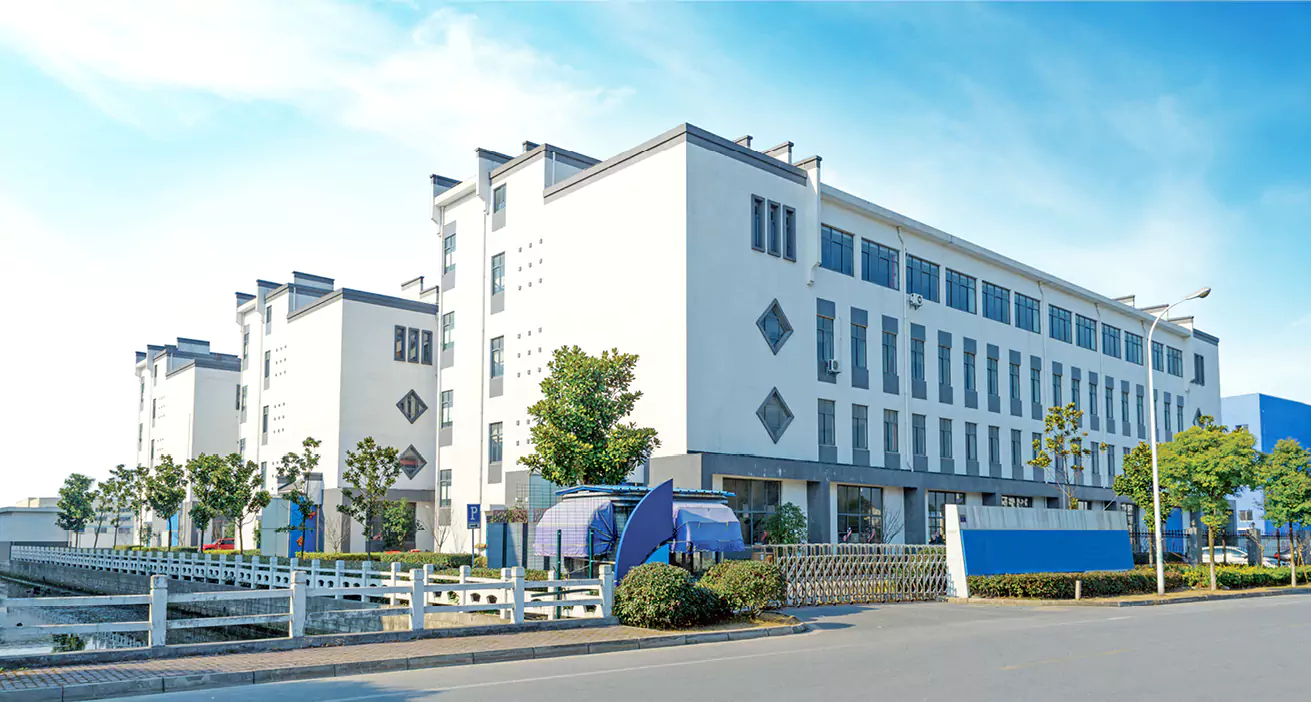

Cold Rolling Mill Innovations in China: Advancements and Industry Insights
2026-03-03
In the heart of China's industrial evolution, cold rolling mills stand as pillars of precision and progress, shaping the future of metal fabrication. At GRM, we're not just observers but active participants in this transformative journey. This blog delves into the latest innovations and industry insights driving China's cold rolling sector – from cutting-edge automation and sustainability practices to groundbreaking efficiency gains. Join us as we explore how these advancements are redefining standards and unlocking new possibilities. Curious about what lies ahead? Let's unravel the stories behind the steel.
Breakthroughs in Automated Control Systems for Chinese Cold Rolling Mills
In recent years, Chinese cold rolling mills have made significant strides in automated control systems, driven by ongoing investments in advanced technologies and a focus on precision engineering. These innovations have enabled mills to achieve tighter tolerances and improved surface quality in steel products, while also boosting productivity and reducing material waste. For instance, the integration of real-time data analytics and AI-driven algorithms allows operators to make instant adjustments during the rolling process, ensuring consistent output even under varying conditions. This has positioned China's steel industry as a key player in global markets, where demand for high-grade materials continues to rise.
Another breakthrough involves the adoption of distributed control systems (DCS) and programmable logic controllers (PLC), which have revolutionized plant operations by offering greater reliability, scalability, and ease of maintenance. Chinese engineers have customized these systems to meet the specific challenges of cold rolling, such as handling ultra-thin strips or complex alloy compositions. By leveraging open-source platforms and IoT connectivity, mills can now monitor equipment health and performance remotely, minimizing downtime and optimizing energy consumption. This holistic approach not only enhances operational efficiency but also supports sustainability goals by reducing emissions and resource usage in manufacturing processes.
Looking ahead, the push towards smart manufacturing in China is spurring further advancements, including the development of predictive maintenance tools that analyze historical data to forecast potential failures before they occur. These systems are increasingly integrated with cloud computing and machine learning, enabling continuous improvement in control strategies and reducing human intervention. As a result, Chinese cold rolling mills are not only catching up with international standards but often setting new benchmarks, with innovations tailored to local market needs and regulatory frameworks. This dynamic evolution underscores the country's commitment to innovation-driven growth in heavy industries.
Enhanced Material Quality Through Advanced Cooling Techniques
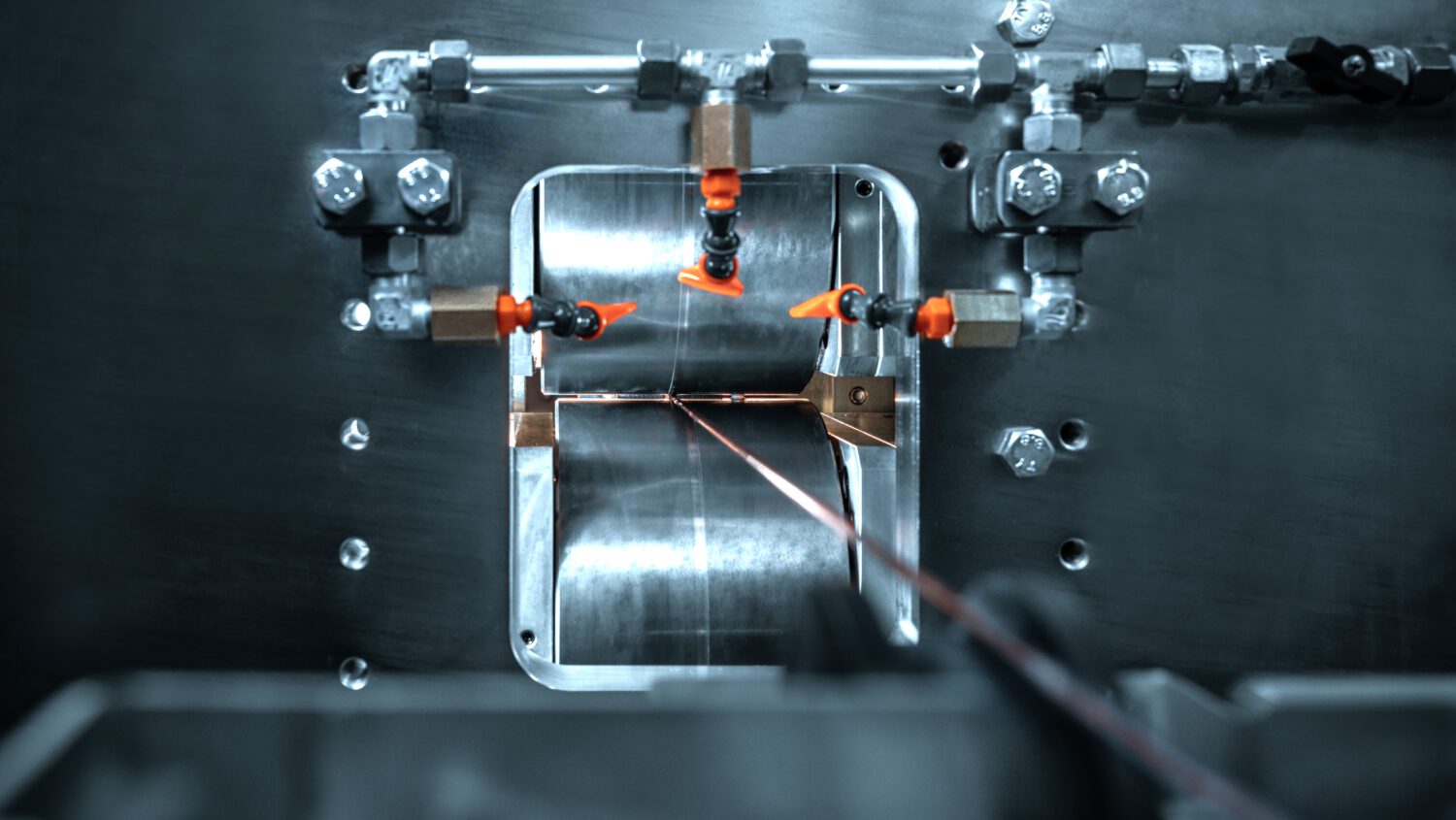
Implementing state-of-the-art cooling methods, such as directed liquid nitrogen systems or precision-controlled air jets, directly influences the microstructure of materials during production. By rapidly reducing temperatures at critical stages, these techniques minimize internal stresses and prevent defects like warping or cracking, leading to components with superior mechanical properties and longevity in demanding applications.
Unlike traditional slow-cooling approaches, advanced methods like cryogenic quenching or tailored thermal gradients offer unparalleled control over phase transformations, resulting in enhanced hardness, ductility, and corrosion resistance. This precision not only boosts performance but also reduces waste and energy consumption, making it a sustainable choice for industries ranging from aerospace to medical devices.
Embracing innovations such as additive manufacturing with integrated cooling channels allows for real-time optimization of material properties, creating parts that were previously unattainable. This dynamic approach sets new benchmarks in quality, pushing the boundaries of what's possible in material science and driving forward technological advancements.
Sustainability Initiatives: Energy Efficiency Upgrades in Rolling Operations
Rolling operations, a critical stage in metal production, often consume vast amounts of energy, making them a prime target for sustainability improvements. By implementing advanced energy efficiency upgrades, manufacturers can significantly reduce their carbon footprint while cutting operational costs. These initiatives range from optimizing heating processes to retrofitting motors and drives, ensuring that every aspect of the rolling line contributes to a greener future.
One standout approach involves integrating smart sensors and real-time monitoring systems that track energy usage minute by minute, allowing for immediate adjustments and waste reduction. Unlike generic solutions, this tailored strategy adapts to fluctuating production demands, delivering consistent savings without compromising output quality. Such innovations not only enhance environmental performance but also set new benchmarks for industry efficiency.
Beyond technical upgrades, fostering a culture of energy awareness among staff plays a key role in sustaining these efforts. Training programs and incentive schemes encourage teams to identify and report inefficiencies, creating a collaborative environment where every employee contributes to the overall sustainability goals. This holistic approach ensures that energy efficiency becomes an integral part of daily operations, rather than just a one-time project.
Digital Transformation and IoT Integration in Mill Management
In today's rapidly evolving industrial landscape, mill management is undergoing a significant shift driven by digital transformation and the integration of the Internet of Things (IoT). This convergence enables mills to move beyond traditional, manual processes towards a more connected and data-driven environment. By leveraging IoT devices such as sensors and smart meters installed throughout the production line, real-time data on equipment performance, energy consumption, and material flow can be captured seamlessly. This data is crucial for optimizing operations, as it allows managers to monitor conditions remotely, predict maintenance needs before failures occur, and reduce downtime, ultimately leading to enhanced efficiency and cost savings.
A key aspect of this integration is how IoT facilitates a holistic view of mill operations, transforming raw data into actionable insights. For instance, in a typical mill, IoT sensors can track variables like temperature, humidity, and vibration levels in machinery. This information is fed into centralized systems that use advanced analytics and machine learning algorithms to identify patterns and anomalies. As a result, mill managers can make informed decisions on production schedules, quality control, and resource allocation, fostering a more agile and responsive management approach that adapts to changing market demands and operational challenges.
Moreover, the long-term impact of digital transformation in mill management extends to sustainability and competitiveness. By integrating IoT, mills can optimize energy usage and minimize waste, contributing to environmental goals while lowering operational costs. This technological advancement also empowers workforce development, as employees shift from routine tasks to roles focused on data analysis and system oversight. Embracing these innovations helps mills stay ahead in a competitive industry, ensuring they are not only efficient but also resilient to disruptions and poised for future growth through continuous improvement and innovation.
Customized Solutions for Diverse Industrial Applications
Industries today face unique challenges that demand tailored approaches. Our customized solutions are engineered specifically to address the distinct requirements of each sector, whether it's optimizing manufacturing processes or enhancing logistics efficiency. By partnering closely with clients, we develop strategies that integrate seamlessly with existing systems, ensuring not only immediate improvements but also long-term adaptability. This focus on customization allows for greater flexibility and innovation, helping businesses stay competitive in rapidly evolving markets.
From heavy machinery to advanced electronics, our solutions are adaptable to a wide range of applications. We dive deep into each industry's nuances, crafting tools and services that prioritize reliability and performance. By leveraging cutting-edge technology and decades of expertise, we deliver results that go beyond standard offerings, providing a clear advantage in terms of cost savings and operational excellence.
The real strength lies in how these solutions evolve with industry trends, anticipating shifts in demand and regulatory landscapes. We take pride in creating partnerships that foster continuous improvement, empowering clients to tackle future challenges with confidence. Through this dedicated approach, we ensure that every project not only meets expectations but sets new benchmarks for success.
Global Competitiveness and Export Trends in Chinese Steel Processing
China's steel processing sector has consistently demonstrated its ability to adapt to shifting global demands, maintaining a significant presence in international markets despite fluctuating trade policies and economic pressures. Innovations in production techniques, such as the integration of smart manufacturing and energy-efficient processes, have enhanced the quality and sustainability of Chinese steel products, making them increasingly competitive. This adaptability not only supports domestic industrial growth but also strengthens export opportunities, particularly in infrastructure and construction projects worldwide.
The export trends of Chinese steel processing reveal a strategic diversification into emerging markets, including Southeast Asia, Africa, and Latin America, where demand for construction materials is on the rise. By leveraging cost advantages and forging bilateral trade agreements, China has managed to offset challenges from protectionist measures in traditional markets like the United States and Europe. This shift has fostered resilience in the sector, allowing it to capitalize on new opportunities while mitigating risks associated with over-reliance on any single region.
Looking ahead, the competitiveness of China's steel industry is poised to evolve further through investments in advanced technologies like artificial intelligence and green steel production, which align with global sustainability goals. These efforts not only bolster the sector's environmental credentials but also enhance its appeal to environmentally conscious buyers. As global infrastructure needs grow, Chinese steel processing is likely to remain a pivotal player, driven by continuous innovation and a keen understanding of international market dynamics.
FAQ
Chinese cold rolling mills have recently adopted advanced automation systems, including AI-driven quality control and predictive maintenance, which enhance precision and reduce downtime. These innovations often integrate with digital twins for real-time process optimization, setting them apart from traditional methods through improved efficiency and sustainability.
By investing in high-precision equipment and smart manufacturing, China's cold rolling mills produce higher-quality steel at lower costs, boosting exports and challenging established players in markets like Europe and North America. This shift emphasizes sustainability and innovation as key competitive factors.
The industry is experiencing a shift towards skilled technicians and engineers, with training programs focusing on digital tools and automation. This reflects a broader trend of upskilling to manage advanced technologies, reducing reliance on manual labor and increasing operational efficiency.
Industries such as automotive, aerospace, and electronics see significant gains, as improved material properties and consistency from advanced cold rolling processes lead to lighter, stronger components with better surface finishes. This drives innovation in end-product design and performance.
Innovations include energy-efficient systems, water recycling technologies, and reduced emissions through cleaner production methods. These steps align with global sustainability goals, often incorporating eco-friendly practices into core operations to minimize environmental impact.
Partnerships between universities, research institutes, and manufacturers foster R&D in areas like material science and process engineering, accelerating the adoption of new technologies. This collaborative approach helps tailor innovations to market needs and enhances overall industry growth.
Demand for high-strength, lightweight materials in sectors like renewable energy and consumer electronics pushes mills to innovate in alloy development and precision rolling. Trends towards customization and fast production cycles also drive investments in flexible and modular systems.
Key challenges include high initial costs for advanced equipment, the need for continuous skill development, and balancing innovation with traditional market demands. Overcoming these requires strategic planning and ongoing investment in technology and human resources.
Conclusion
In recent years, Chinese cold rolling mill innovations have propelled significant advancements across multiple fronts, reshaping the industry landscape globally. Breakthroughs in automated control systems have enhanced precision and efficiency, allowing mills to achieve tighter tolerances and reduce operational downtime. Simultaneously, advanced cooling techniques have revolutionized material quality, enabling the production of high-strength, corrosion-resistant steel grades that meet stringent international standards. In response to environmental pressures, sustainability initiatives focusing on energy efficiency upgrades have gained momentum, with mills integrating renewable energy sources and waste heat recovery systems to minimize their carbon footprint. Moreover, digital transformation and IoT integration have transformed mill management, facilitating real-time monitoring, predictive maintenance, and data-driven decision-making, which collectively boost productivity and reduce costs. These innovations are not isolated developments but interconnected pieces of a broader modernization drive that positions Chinese steel processing at the forefront of technological evolution.
Beyond technical upgrades, China's cold rolling sector is increasingly offering customized solutions for diverse industrial applications, catering to specialized needs in automotive, aerospace, and construction sectors, thereby expanding its market reach. This adaptability is a key factor driving global competitiveness, as Chinese mills leverage their innovations to enhance export trends, capturing a larger share of the international steel market. By blending automation, sustainability, digitalization, and customization, Chinese innovations not only address domestic industrial demands but also set new benchmarks for global steel processing standards. This holistic approach ensures that advancements are practical and scalable, fostering a resilient industry capable of navigating economic fluctuations and evolving customer preferences. Ultimately, these insights highlight how China's cold rolling mills are transitioning from cost-based competition to innovation-led growth, solidifying their role as influential players in the global steel industry.
Contact Us
Contact Person: Rayna
Email: [email protected]
Tel/WhatsApp: 86 -173 1474 6343
Website: https://www.grmrollingmill.com/