

Cooler Bag Supplier: How to Choose the Best for Your Outdoor Adventures
2026-07-28
Planning your next outdoor adventure? Whether you’re hiking, camping, or heading to the beach, keeping food and drinks cold is non-negotiable. That’s where a reliable cooler bag supplier comes in—but with so many options, how do you separate the best from the rest? At CHALLENGE WOLVES, we know the difference a durable, high-performance cooler bag can make. In this guide, we’ll walk you through the must-know factors to pick a supplier that won’t let you down, so your focus stays on the trail ahead.
Spotting True Craftsmanship in Cooler Bag Construction
When you first pick up a cooler bag, the seams should tell you almost everything you need to know. True craftsmanship hides no shortcuts—double-stitched or reinforced binding along stress points is a silent promise that the bag won’t split after a few weekend trips. Run your fingers along the zipper line; if the stitching wobbles or feels loose, it’s a sign that speed mattered more than durability on the factory floor. Makers who care also finish interior edges cleanly, often covering raw fabric cuts with bias tape, so that leaks and condensation don’t gradually eat away at the insulation layer.
Beyond stitches, take a moment to flex the bag’s base and side panels. A high-caliber build uses dense, closed-cell foam that returns to shape immediately after you press it, not the flimsy stuff that stays dimpled. Listen for crinkling—excessive noise often exposes a thin plastic liner masquerading as thick insulation. The handle attachments are equally telling: quality versions are riveted or box-stitched through multiple layers of fabric, never simply tacked onto the top edge. Even the drain plug, if there is one, should feel substantial, with a tether or captive design that won’t get lost on the boat or tailgate.
The final test comes in the small details that only a seasoned eye catches. Zippers should glide like they’re on ball bearings, even around tight corners, and rubberized pulls with heat-shrink ends are a mark of long-term thinking. Check inside the main compartment for a removable liner—it’s a hassle to clean sealed-in interiors, so designers who add this convenience actually understand how the bag gets used. When you see these touches gathered in one place, you’re not just looking at a container for cold drinks; you’re holding something shaped by a maker who respects both the craft and your time outdoors.
Insulation That Actually Lasts Through the Day
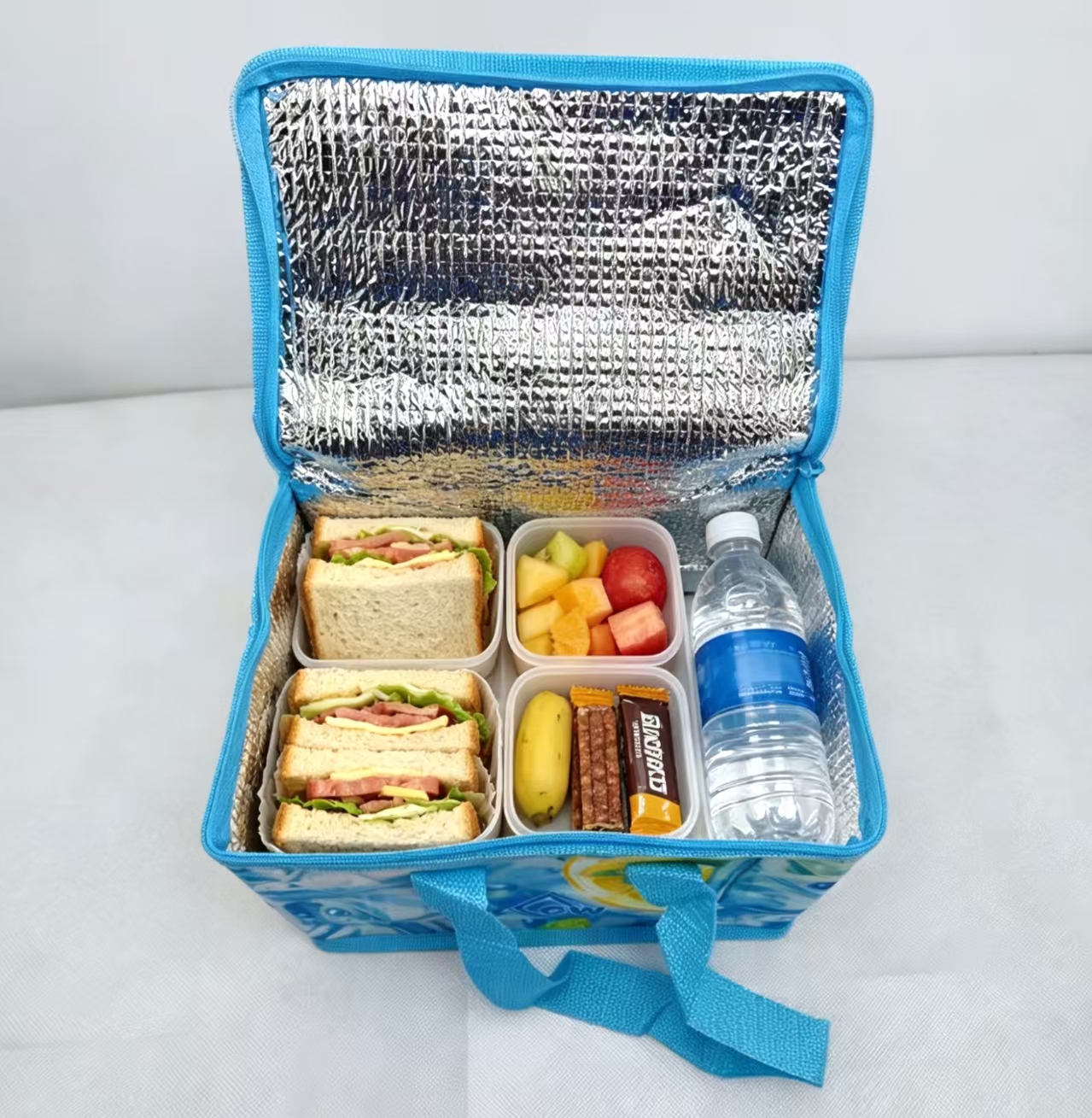
Most insulated products promise all-day performance, but by noon your coffee is barely warm and your iced tea has turned into tepid water. This insulation is engineered differently—it actually delivers on that promise, keeping your drinks at the ideal temperature from your first sip to the last drop, no matter how long your day stretches.
The secret lies in a dual-wall construction with a high-grade copper lining that creates a near-perfect vacuum seal. Unlike standard foam or single-layer barriers that slowly leak thermal energy, this design virtually eliminates conduction and convection, so heat rarely escapes and cold rarely creeps in. It’s the same principle used in advanced laboratory storage, refined for everyday use.
You’ll notice the difference when you pour a steaming beverage at 6 a.m. and it’s still piping hot at 3 p.m., or when ice cubes remain intact through a full afternoon of outdoor work. The exterior never sweats or gets uncomfortable to hold, which means no condensation rings on your desk and no scalded fingers. It’s the kind of reliable, steady performance that actually makes you rethink what insulation can do.
Materials That Can Handle Rocky Terrain and Sudden Showers
When you're traversing uneven, rocky trails, your gear needs to be as tough as the ground beneath your feet. Look for fabrics with a high denier count and reinforced ripstop weaving — these materials resist abrasion from sharp rocks and won't tear easily if you stumble. Footwear with full-grain leather uppers or rugged synthetic overlays paired with sturdy toe caps can shrug off constant scraping against stones, while also providing stability on loose scree. For backpacks and clothing, materials like Cordura nylon or ballistic nylon offer outstanding durability without weighing you down.
Sudden downpours can turn a pleasant hike into a soggy ordeal, so water resistance is non-negotiable. However, you also need breathability to avoid drowning in your own sweat. Modern waterproof-breathable membranes, such as Gore-Tex or eVent, are excellent choices because they block rain while allowing moisture vapor to escape. Pay attention to the DWR (Durable Water Repellent) coating as well — it makes water bead up and roll off, keeping the outer fabric from becoming saturated. For an added layer of protection, pack a lightweight silnylon or Dyneema Composite Fabric poncho; these materials shed water instantly and pack down tiny, so they never feel like a burden until the skies open up.
The sweet spot lies in gear that blends abrasion resistance with weather protection. Softshell fabrics with a tight weave and a touch of elastane can handle scrapes from rock faces while repelling light rain, and they stretch to accommodate dynamic movement over boulders. Merino wool blends are often overlooked for rugged terrain, but they naturally resist odors, dry quickly if splashed, and provide surprising durability when reinforced with nylon. Ultimately, the best materials are those that let you forget about your equipment and focus on the journey — keeping you shielded whether you're clambering over a granite slab or caught in an unexpected thunderstorm.
Pack Like a Pro: Finding the Right Size Without Overdoing It
There’s a quiet art to packing a bag that sits right, not too bulky, not too sparse. It starts with understanding the trip, not just the days. A weekend escape rarely needs a third pair of jeans or that extra gadget you never touched last time. Laying everything out on the bed before reaching for the bag changes the game. You see duplicates, the what-ifs, the things that simply don’t earn their keep.
Fabric and silhouette matter more than most people admit. A lightweight layer that breathes can replace two heavier ones. Rolled clothes save space but also show you exactly what you’ve got, making those early mornings in an unfamiliar room less frantic. And shoes—they’re the real space thieves. Cap them at two intentional pairs, worn in, not new, and suddenly the bag works with you, not against you.
The final test is closing the bag without a knee on the lid. If you’re forcing it, something’s off. A well-packed bag carries everything you genuinely need and leaves room for a small found treasure, a snack, a sense of ease. That’s the difference between dragging a burden and carrying a companion. Once you feel that shift, overpacking loses its appeal entirely.
When Real-User Feedback Beats Catalog Promises
A glossy catalog can paint a flawless picture, but customers today trust the voice of someone who’s already taken the plunge. When a real user shares how a backpack survived a monsoon or a kitchen gadget simplified their meal prep, that story carries a weight no marketing copy can match. It’s the unfiltered truth—complete with quirks and genuine praise—that helps a buyer move from “maybe” to “yes.”
There’s a certain magic in the small details users notice, the things you’d never see in a product listing. A reviewer might mention how the stitching on a jacket held up after a year of daily wear, or how a speaker’s battery outlasted their camping trip. Those specifics transform a generic promise into a lived experience, building a bridge of trust that polished advertisements simply can’t construct.
Companies that embrace this shift aren’t just collecting stars and testimonials; they’re tapping into a collective voice that shapes their brand’s identity. When potential customers see a pattern of honest, even critical, feedback that the business responds to thoughtfully, it signals a commitment to improvement. That transparency often does more to win loyalty than any heroic headline ever could.
Avoiding the ‘Cheap Cooler’ Trap Without Overpaying
Getting lured by a low price tag on a cooler is easy, especially when specs look decent on paper. But that budget unit often comes with hidden costs: noisy fans that whine under load, flimsy mounting hardware that barely holds contact, or thermal paste that dries out within months. A cheap cooler might tame your CPU at idle, but once you push a sustained workload or summer temperatures creep up, you’re staring at thermal throttling and a shorter chip lifespan. The initial savings evaporate the moment you need earplugs to focus or end up buying a replacement six months later.
The sweet spot lies in understanding what you’re actually paying for—not branding or RGB flair, but thoughtful engineering. Look for coolers with a proven fin stack design, a copper base plate that’s machined flat (not just stamped), and a fan bearing rated beyond 50,000 hours. Mid-range air coolers from manufacturers that specialize in thermal solutions often outperform flashy “gaming” models costing twice as much, simply because the money went into heatpipe layout and static pressure optimization. You don’t need a flagship dual-tower behemoth unless you’re taming a hot, overclocked i9; for most builds, a single-tower with a quality fan does the job silently.
Another way to escape the trap is timing your purchase or considering repurposed high-end units. Last-generation premium coolers frequently drop in price when new sockets launch, yet their actual cooling performance hasn’t aged a day. Sites dedicated to used hardware can yield sealed or lightly used coolers from enthusiasts who constantly upgrade—often at half the retail cost. The key is to research compatibility and ignore marketing jargon; a heavy heatsink with widely spaced fins and a standard 120mm fan mount means you can swap the fan later if needed, extending the cooler’s usable life far beyond any bargain-bin alternative.
FAQ
For hiking, prioritize a lightweight design with padded shoulder straps and a waterproof exterior. Insulation thickness and a leakproof liner are non-negotiables, plus you'll want multiple compartments for dry snacks and gear.
Request lined material samples, check for even stitching and durable zippers, and ask for lab test reports on insulation performance. A video walkthrough of their production line can also reveal attention to detail.
Soft coolers win here because they mold to your kayak’s storage hatches and float if they go overboard. Look for welded seams and a rugged outer shell that can handle scrapes against rocks.
Many do if you meet their minimum order quantity. Ask about digital printing versus silk-screen; digital often costs less for multi-color designs. Some even include a free mock-up with your inquiry.
With 1.5-inch foam and a heat-sealed lid, 2–3 days is solid for a soft cooler. However, real-world use in 90°F heat might drop that to 36 hours. Ask for tested numbers, not just lab ratings.
Very. A thick, abrasion-resistant fabric like 600D polyester with a waterproof coating prevents sand from grinding into seams. A reinforced bottom panel is a must if you’re dragging it across gravel.
Some now stock biodegradable insulation or recycled PET shell fabrics. Ask if the liner is food-grade and BPA-free, and if they can provide eco-certifications like OEKO-TEX for peace of mind.
Drain plugs and anti-microbial liners. Melted ice water can swamp your food, so a easy-drain feature saves mess. Antimicrobial treatment stops mildew if you can’t dry it out immediately after the trip.
Conclusion
Finding a cooler bag supplier who actually understands outdoor life means looking past glossy ads and focusing on real-world durability. True craftsmanship shows in reinforced seams and bar-tacked stress points—details that prevent blowouts when you’re hauling gear over rocky trails. But construction alone won’t save your lunch if the insulation gives out by noon. The best suppliers use dense, closed-cell foam that’s been field-tested to hold ice for twelve hours, not just thirty minutes on a showroom floor. And since the backcountry rarely offers a smooth path, materials need to shed unexpected showers and shrug off abrasive granite without soaking through or tearing. Nylon with a high denier count and a waterproof backing is a good baseline, but a supplier worth trusting will often post videos of their bags being scraped along rough surfaces or doused with a hose—proof that they’re not cutting corners when it comes to resilience.
Practical sizing matters just as much as toughness: a cavernous cooler bag invites overpacking and wasted energy, while one that’s too small leaves you rummaging for snacks. Smart suppliers offer a range that fits adventure-specific needs—think a trim 20-liter daypack for short hikes versus a 40-liter workhorse for basecamp. Beyond spec sheets, genuine user feedback reveals hidden flaws and strengths that catalog promises gloss over, so dig into reviews where people discuss zipper failures after months of grit exposure or praise a bag that survived a downpour with dry sandwiches. Finally, sidestepping the ultra-cheap trap doesn’t mean shelling out for luxury branding; it’s about finding a supplier who balances cost with features like thick insulation and genuine YKK zippers, delivering value that holds up season after season. When you piece all this together, the right supplier becomes less of a gamble and more of a reliable partner for every trip into the wild.
Contact Us
Contact Person: Tony
Email: [email protected]
Tel/WhatsApp: +8615859766913
Website: https://www.cw-pak.com