
First Aid Kit Essentials: OEM Solutions for Safety and Preparedness
2026-03-31
When it comes to safety and preparedness, having the right first aid kit can make all the difference in an emergency. But what exactly makes a kit truly effective? At Kebon, we believe it's about more than just bandages and antiseptics—it's about OEM solutions that are tailored to your specific needs, ensuring you're not just prepared, but prepared with precision. In this blog, we'll dive into the essentials of first aid kits, exploring how OEM (Original Equipment Manufacturer) approaches from Kebon can elevate your safety game. Whether you're outfitting a workplace, a vehicle, or your home, discover why customizing your kit matters and how it can help you respond confidently when it counts. Curious about what goes into a truly standout kit? Let's get started.
Essential First Aid Supplies Every Home Should Have
Having a well-stocked first aid kit is crucial for handling minor injuries and emergencies at home, as it ensures you're prepared for everything from cuts and burns to sudden illnesses. In today's fast-paced world, where accidents can happen unexpectedly, a comprehensive kit goes beyond just bandages and antiseptics—it includes items like tweezers for splinters, instant cold packs for swelling, and a digital thermometer to monitor fevers, all tailored to modern family needs.
To make your kit stand out, consider personalizing it based on your household's specific circumstances, such as adding extra allergy medication if someone has severe reactions or including a flashlight for power outages. Unlike generic lists, this approach allows you to address unique risks, like having a guide for pet emergencies or specialized tools for seniors, ensuring it's not just a standard setup but a dynamic resource that evolves with your family's changing health requirements.
Moreover, keeping your supplies organized and regularly updated is key—check expiration dates on medications every few months and refresh items after use. By maintaining an up-to-date kit, you not only boost your readiness for unforeseen events but also foster a sense of safety and confidence, making it an indispensable part of any proactive home environment.
Customizable First Aid Kits for Different Scenarios
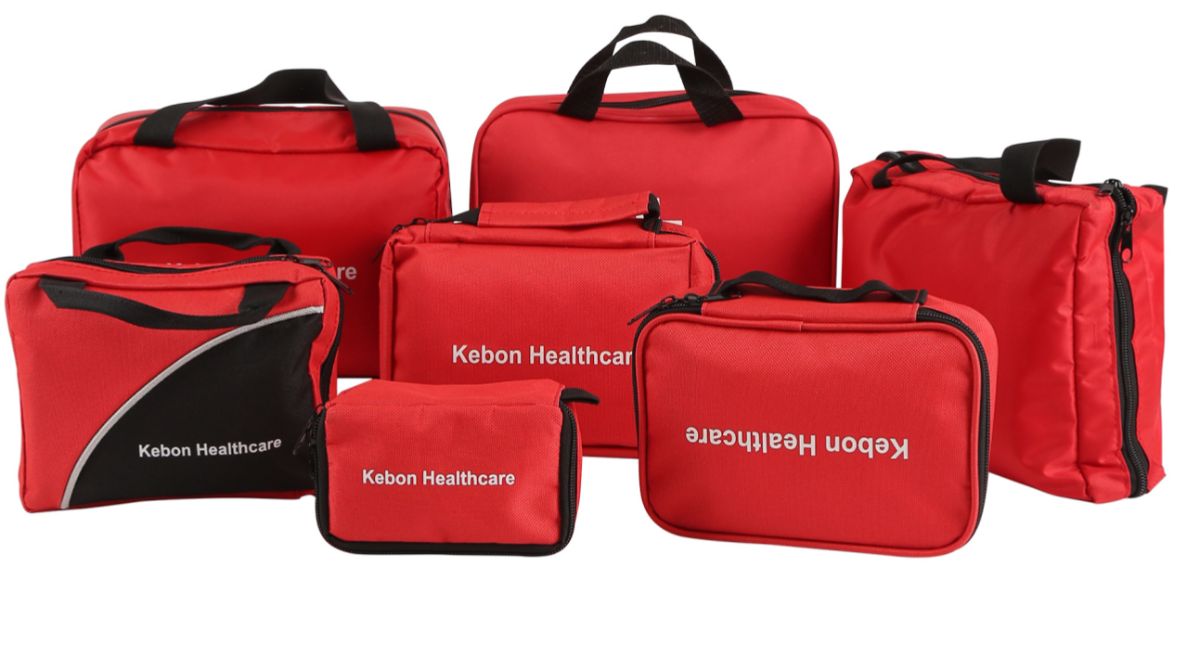
Whether you're preparing for a hiking trip in the wilderness, managing a busy office environment, or ensuring your family's safety at home, having the right supplies on hand can make all the difference in an emergency. Customizable first aid kits allow you to tailor your contents specifically to the unique demands of each scenario. For instance, a kit designed for outdoor adventures might include items like blister pads, insect sting relief, and a compact emergency blanket, while a workplace version could focus more on bandages for minor cuts and antiseptic wipes. By selecting components based on potential risks and activities, you can create a kit that's not only practical but also lightweight and efficient for its intended use.
The flexibility of these kits extends beyond just adding or removing items; it also involves considering factors like group size, duration of the activity, and any specific health conditions. For a family with young children, incorporating child-safe medications and colorful bandages can make first aid less intimidating, whereas a kit for a sports team might prioritize instant cold packs and splints for sprains. Including personal medications and updating supplies regularly ensures that your kit remains relevant and effective over time, rather than relying on a one-size-fits-all approach that might leave critical gaps in coverage.
Moreover, customization encourages a proactive mindset towards safety, fostering a sense of preparedness that standard kits often lack. Beyond the basics, you might integrate specialized tools such as a snake bite kit for desert hikers or burn gel for kitchen emergencies. This attention to detail not only enhances protection but also builds confidence in handling unexpected situations, making it an invaluable asset for anyone looking to take control of their safety in diverse environments.
How to Maintain and Restock Your First Aid Kit
Proper maintenance of your first aid kit is essential for ensuring it's ready when emergencies arise. Start by checking the kit regularly, at least every few months, to inspect items for expiration dates—medications and ointments can lose effectiveness over time. Replace any used or damaged supplies immediately, keeping the kit organized with items easily accessible. Consider your specific needs, such as adding allergy medication or tweezers, to tailor it to your household or activities. A well-maintained kit not only boosts safety but also provides peace of mind in unexpected situations.
Restocking your first aid kit requires a proactive approach; don't wait until you're in a crunch. After each use, jot down what was consumed and prioritize replenishing those items within a week. Keep a checklist of essentials like bandages, antiseptic wipes, gloves, and pain relievers, updating it as your usage patterns change. For families with kids, stock up on child-friendly supplies, while outdoor enthusiasts might include insect repellent or splints. By staying ahead on restocking, you ensure your kit remains a reliable resource rather than a last-minute scramble.
To truly stand out, go beyond the basics with creative maintenance habits. Set seasonal reminders to review your kit, aligning with changes in weather or activities—like adding sunscreen in summer or warm packs in winter. Incorporate high-quality, multipurpose items, such as a versatile trauma dressing or a digital thermometer, to enhance functionality. Share maintenance tips with family members, making it a team effort to keep supplies fresh. This personalized touch not only keeps your kit effective but also fosters a culture of preparedness that sets it apart from generic setups.
Innovative First Aid Tools for Modern Emergencies
In today's fast-paced world, traditional first aid kits are being reimagined to tackle a wider range of emergencies. From smart compression bands that monitor blood flow to compact, solar-powered defibrillators, these tools are designed for quick deployment in urban disasters or remote locations. They often incorporate lightweight materials and intuitive interfaces, allowing even untrained individuals to provide effective care until professional help arrives.
Another key innovation is the integration of digital technology, such as apps that guide users through step-by-step procedures or devices that can transmit vital signs directly to emergency services. For example, some advanced tourniquets now feature built-in sensors to alert when applied correctly, reducing the risk of improper use. These advancements not only enhance response times but also improve outcomes in scenarios like cardiac arrests or severe bleeding.
Looking ahead, the trend is toward personalized and versatile tools, like modular kits that can be customized for specific environments, from hiking trails to disaster zones. By combining durability with smart features, these modern first aid solutions are setting new standards for emergency preparedness, ensuring safety in an ever-changing world.
Personalizing Your First Aid Kit for Family Safety
When it comes to family safety, a one-size-fits-all first aid kit often falls short. Whether you have toddlers exploring every corner or elderly members with specific medical histories, tailoring your supplies can make all the difference. For instance, families with young children might stock up on colorful bandages that ease fears, while those with athletes might include extra compression wraps for sprains. It's not just about having sterile gauze; it's about anticipating the unique scrapes and emergencies your household faces, turning a basic kit into a personalized lifeline.
Consider adding items that reflect your family's lifestyle and environment. If you live near wooded areas, tick removal tools or anti-itch creams could be lifesavers during outdoor adventures. For households prone to allergies, including antihistamines and an updated list of medications ensures quick response to reactions. Personal touches, like photos or notes on how to use items, can help calm kids in a crisis. By customizing based on daily activities and common risks, your kit becomes more than a box of bandages—it's a proactive safety net tailored to your home's unique rhythm.
Reviewing and updating your personalized kit seasonally keeps it relevant and effective. Winter might call for extra supplies like thermal blankets or frostbite ointments, while summer could necessitate hydration salts or sunscreen. Involve the whole family in this process: let kids help check expiration dates or brainstorm additions, fostering a sense of responsibility and preparedness. This hands-on approach ensures your kit evolves alongside your family's needs, building confidence that you're ready for anything, from minor cuts to unexpected emergencies. In the end, personalization transforms preparedness from a chore into a collaborative act of care, making safety a shared family value.
Quick-Access First Aid Solutions for On-the-Go Safety
When you're out and about, having immediate access to first aid can be a game-changer in emergencies, from minor scrapes to more serious incidents. Quick-access solutions are designed with portability and ease of use in mind, often fitting into pockets or small bags. For instance, compact kits with essentials like bandages, antiseptic wipes, and tweezers ensure you're prepared without carrying bulky gear. Consider adding a personal touch by customizing your kit based on common activities, such as hiking or urban commuting.
Innovations in on-the-go safety include tech-enhanced tools like smartphone apps that guide you through first aid steps or wearable devices with built-in supplies. These not only provide practical aid but also boost confidence by offering real-time instructions. It's crucial to regularly update your kit, replacing expired items and adding seasonal needs like bug bite relief or sunburn care, ensuring it remains effective year-round.
Beyond physical kits, staying informed through quick refreshers on basic first aid skills can make a significant difference. Engaging in short, interactive online courses or local workshops helps reinforce knowledge, making you more adept at handling unexpected situations. This proactive approach empowers individuals to act swiftly, potentially saving lives while maintaining a light, convenient load for everyday adventures.
FAQ
A basic first aid kit should include adhesive bandages, sterile gauze pads, adhesive tape, antiseptic wipes, tweezers, scissors, disposable gloves, and a CPR face shield to ensure safety during emergencies.
OEM solutions allow customization of first aid kits with high-quality materials like durable containers, specialized medical tools, and branded components, improving reliability and preparedness for specific needs.
Preparedness in workplaces reduces response time during accidents, minimizes injury severity, and ensures compliance with safety regulations, fostering a culture of safety and employee well-being.
Premium kits may include compact designs, water-resistant cases, organized compartments for easy access, and items like tourniquets or emergency blankets, offering superior durability and functionality.
First aid kits should be inspected monthly for expired items and restocked after each use, with annual reviews to update contents based on evolving safety guidelines.
Yes, combining OEM kits with regular first aid training ensures users know how to effectively use all items, boosting confidence and response efficiency in critical situations.
Conclusion
Ensuring safety and preparedness in any environment begins with a well-stocked first aid kit. Every home should have essential supplies like bandages, antiseptics, and medications to handle common injuries, forming a foundation for family safety. Customizable kits for different scenarios, such as outdoor adventures or household emergencies, allow for tailored solutions that meet specific needs. By personalizing these kits with items like allergy medications or pediatric supplies, individuals can enhance protection for their loved ones, ensuring readiness for both routine mishaps and unexpected events.
Modern emergencies demand innovative tools, including items like emergency blankets and digital thermometers, which can be integrated into these kits for advanced care. Maintenance is key; regular checks and restocking of supplies ensure that kits remain effective over time. For on-the-go safety, quick-access solutions like compact pouches in cars or backpacks provide immediate aid during travel or outdoor activities. By combining OEM solutions with proactive planning, these approaches not only build resilience but also foster a culture of preparedness that adapts to evolving safety challenges.
Contact Us
Contact Person: Andy Yu
Email: [email protected]
Tel/WhatsApp: +86 19858933676
Website: https://www.kebonfirstaid.com