
Flour Processing Machinery Company: What to Look for Before Partnering
2026-08-23
Partnering with a flour processing machinery company isn't a transaction—it's a long-term decision that affects every bag of flour you produce. You need more than glossy brochures and bold promises. From build quality to after-sales support, the signs of a trustworthy manufacturer often hide in plain sight. That's why knowing what to look for before you commit can save you from costly downtime and inconsistent output. And while many names compete for attention, few carry the hands-on engineering credibility of PINGLE. Here's what to evaluate before you make the call.
Run a Trial Batch Before You Commit
Jumping straight into a full-scale production run often feels like the fastest way forward, but it can quietly turn small oversights into expensive disasters. A trial batch gives you a safe, low-stakes environment to spot inconsistencies in raw materials, catch equipment quirks, or realize that your standard operating procedure needs a tweak. Think of it as a dress rehearsal: you get to see how everything actually behaves under real conditions without betting the whole budget on assumptions.
When you run that first small batch, pay close attention to the details that don't show up on a spreadsheet. How long does each step really take? Are there bottlenecks when two processes overlap? Do the finished pieces have the same feel, weight, or finish as your prototypes? Write down every deviation, no matter how minor it seems, because those small notes are what separate a smooth scale-up from a frantic firefight later.
After the trial run, resist the urge to just tweak one thing and go big immediately. Sit with the results for a moment: if the batch failed, be grateful it failed small. Adjust your parameters, run a second trial if needed, and only commit to full production once you can predict the outcome with a reasonable level of confidence. The hour or two you spend now will save you days of rework, wasted materials, and the quiet dread of explaining to a client why the final product doesn't match the sample.
Look Past the Spec Sheet: Ask About Stainless Steel Grades and Wear Parts
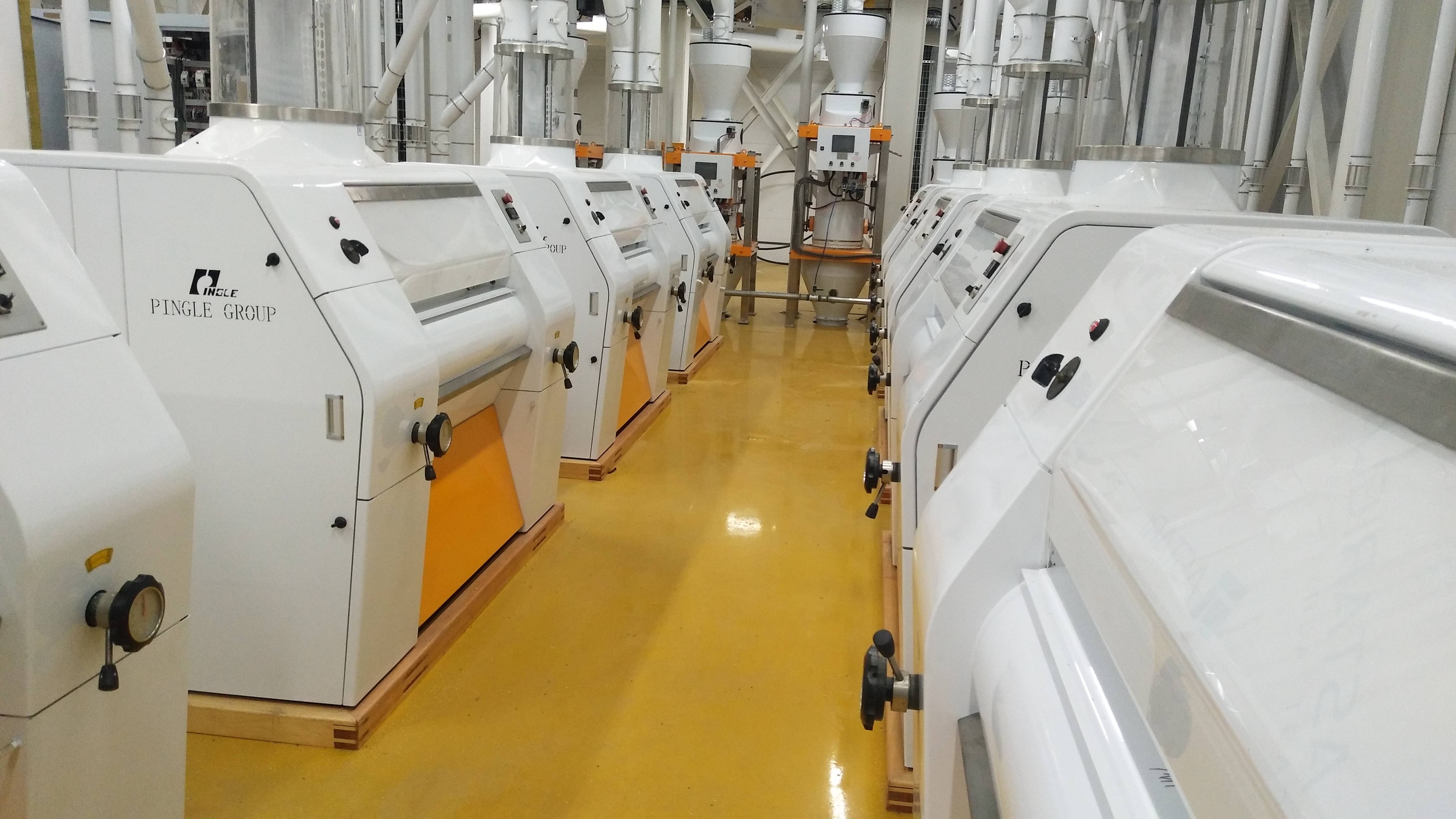
Spec sheets tend to highlight horsepower, tank capacity, and cycle times, but they rarely tell you how the machine will hold up after two years of daily use. The stainless steel grade matters more than most buyers realize. A 304-grade shell might look identical to 316 on paper, yet the latter resists chloride corrosion far better in environments with salt, cleaning chemicals, or high humidity. If you process anything acidic or wash down equipment frequently, asking for 316 on wetted surfaces can save you from pitting and rust that no polish will fix.
Wear parts are another hidden story. Manufacturers often use proprietary blends or hardened inserts in high-friction zones like augers, scraper blades, and discharge gates. The spec sheet might say "stainless steel" without clarifying whether those parts are cast, laser-clad, or simply bolted on as consumables. Ask how many hours the original wear components are rated for, and what a replacement set actually costs. Some machines ship with soft, inexpensive wear strips that need swapping every few hundred hours, while others use tungsten carbide or ceramic coatings that last five times longer for a modest upfront premium.
The best way to cut through marketing language is to request a material certificate or a sample of the wear part. If the sales rep hesitates or deflects to "industry-standard materials," you are likely dealing with a lower grade than the brochure implies. A quick magnet test can also reveal whether the stainless is truly austenitic or just a cheap ferritic blend with a polished finish. Over the life of the equipment, the difference between a well-chosen alloy and a generic spec-sheet claim often amounts to thousands in maintenance and downtime.
Who Answers the Phone at 2 a.m.? Testing After-Sales Support
Most businesses claim they offer round-the-clock support, but the real test happens when you call at 2 a.m. and hear an actual human voice instead of a recorded greeting. It is easy to staff a help desk during normal business hours, yet after midnight the gaps start to show. A genuine after-sales team keeps someone on call who can access order records, troubleshoot basic issues, and make a judgment call without putting you on hold for twenty minutes.
One practical way to test this without waiting for a real emergency is to place a low-stakes call late at night. Ask a simple question about a recent purchase or a spare part. Pay attention to how long it takes to reach a person, whether the agent sounds familiar with the product line, and whether they offer to follow up the next day if they cannot resolve the issue immediately. That follow-up promise is often where weak support teams fall apart.
The businesses that pass this test tend to treat after-sales service as part of the product itself, not as a cost center to be minimized. They give night-shift agents the same training and system access as daytime staff, and they measure success by how many problems are solved on the first call, not by how quickly the phone gets answered.
Can Their Machines Handle Your Local Wheat Varieties?
The real issue has less to do with horsepower and more to do with calibration. Most imported harvesters leave the factory tuned for uniform, semi-dwarf wheat that ripens all at once and threshes easily. Local landraces often grow taller, mature unevenly, and produce smaller, harder kernels wrapped in tougher glumes. If the concave clearance, rotor speed, and fan settings stay at their default positions, you can end up with a mix of unthreshed heads, cracked grain, and a lot of fine chaff blowing out the back.
Some farmers find that slowing the cylinder and opening the concave helps, but only if the straw isn't too brittle. Others swap in different screens or adjust the feeder chain tension to handle thicker, greener stems. In regions where wheat types shift from one valley to the next, a machine that works perfectly on one plot can choke or scatter grain on another just a few kilometers away. Running a short test strip before the main harvest remains the most dependable way to see what the machine will actually do.
A more useful question might be how much adjustment range the operator has and how quickly they can make changes in the field. Machines with easily accessible concaves, multiple fan speed options, and replaceable threshing bars tend to adapt better across local varieties. Even a basic design can handle difficult wheat if the person behind the controls knows when to slow down, open up, or raise the cutting height.
Energy Bills Will Haunt You: Compare Real kW/h per Ton
The sticker on your machine says one thing, but the meter on your wall often tells a messier story. That gap between rated efficiency and real-world kW/h per ton is where budgets quietly bleed. A unit might sip power in a lab at 75°F, then gulp it down when your site hits 95°F with dust on the coils and a slightly low refrigerant charge. Comparing only nameplate numbers ignores how much of that energy actually translates into useful cooling or production per ton.
To get a true picture, run both systems side by side under the same load and ambient conditions. Hook up a temporary power meter and track output over several days, not just an afternoon. You'll often find that a machine with a higher advertised kW/h per ton at full load performs better at partial load, or vice versa. The real metric that matters is total kilowatt-hours consumed divided by actual tons produced or cooled, measured over weeks, not from a brochure.
That's the number that haunts you at billing time. A difference of just 0.2 kW/h per ton across a large operation can add up to thousands of dollars a year, and no warranty covers that slow leak. Before you sign off on new equipment, ask for real operational data from existing installations, or rent a unit for a month and watch your own meter. Your utility bill has a long memory, and it won't forget a bad efficiency bet.
The Best Sales Pitch Is a Working Line You Can Visit
Nobody gets convinced by a slide deck that promises the moon. They get convinced when they walk onto a factory floor, open a live dashboard, or watch a real customer place an order without a script. A working line you can visit removes the gap between what you say and what actually happens. It lets the prospect poke at the edges, ask awkward questions, and see the machinery of your business breathing on its own.
That kind of transparency does more than build trust; it kills the usual back-and-forth about features and pricing. When the line is running, the conversation shifts from “Can you do this?” to “How do we get this running for us?” The product becomes its own salesperson, and your job is simply to open the door.
Most teams resist this because a live visit exposes the rough edges. But those rough edges are exactly what make the pitch believable. A flawless demo feels like theater. A working line with a hiccup and a quick fix feels like a partner who has been through real volume, real complaints, and real deadlines. That is the pitch no brochure can replicate.
FAQ
Look beyond polished brochures. Ask for a detailed project list with installed locations, running years, and mill capacities. A company that is comfortable sharing photos, floor plans, and even client contact details usually has nothing to hide.
Wheat hardness, moisture, and ambient humidity have a big impact on milling performance. A good supplier should ask about your raw material and environment early on, then adjust roller settings, sifter mesh, and tempering time accordingly instead of pushing a one-size-fits-all line.
It often matters more than the initial price. Check whether they have remote diagnostics, a clear response-time commitment, and accessible spare parts. A machine that sits idle for weeks waiting on a small component can cost far more than any upfront discount.
Yes, and preferably both. The factory visit shows how they manage production and quality control. A reference mill lets you see machines under real load, hear noise levels, and ask the operator about breakdowns and daily maintenance without a salesperson filtering the answers.
Create a simple comparison table focused on three things: energy consumption per ton of flour, extraction rate for your target flour type, and total installed power. Ask each company to explain any unusually high or low figure rather than just listing equipment models.
Request documentation for materials that touch flour, such as stainless steel grades and food-grade seals. Ask if they can provide equipment that meets local electrical and safety standards, and whether they have experience exporting to your region or similar markets.
Vague delivery timelines, unwillingness to sign clear penalty clauses, no named project manager, or frequent changes in technical contact people are all red flags. Also be wary if they promise unusually high capacity at a price far below market average without a convincing explanation.
Avoid paying large upfront deposits without milestones. Tie payments to design approval, factory testing, delivery, and successful commissioning. Define what successful commissioning means in writing, including extraction rate, capacity, and flour quality targets. This protects both sides and keeps expectations clear.
Conclusion
Before signing with a flour processing machinery supplier, push for a real trial run using your own wheat. A machine can look flawless on a spec sheet but still produce off-spec flour or choke on local grain variations. Ask about stainless steel grades in contact surfaces and the expected lifetime of wear parts like rolls and sifters—cheaper alloys might pass initial tests but corrode or wear out within months. Also check what happens after installation: call the company's support line late at night to see if a human answers, because breakdowns at 2 a.m. don't wait for business hours. And if their equipment hasn't been proven on wheat varieties similar to yours, request references from mills in your region.
Energy consumption is another hidden cost that often gets buried in brochures. Compare actual kilowatt-hours per ton of finished flour, not just motor nameplate ratings, and ask for logged data from an operating line. Better yet, visit that line yourself, watch it run for several hours, and talk to the operators about downtime and maintenance quirks. A supplier confident in their machinery will welcome this. Combine a trial batch, honest materials disclosure, responsive support, local wheat compatibility, and verified energy figures, and you'll avoid the costly mistake of partnering with a company that only sells well on paper.
Contact Us
Contact Person: Jiakuo Wu
Email: [email protected]
Tel/WhatsApp: +86-13011566087
Website: https://www.pinglemachine.com