
FR Fabric OEM: Custom Flame Retardant Textile Manufacturing for Industrial Protection
2026-07-05
When it comes to industrial safety, nothing compromises. Yet the right flame retardant textiles can mean the difference between a close call and a catastrophe. At DROTEX, we don't just manufacture FR fabrics—we engineer custom solutions that wrap protection around your toughest environments. This isn't off-the-shelf safety; it's precision OEM manufacturing designed for how you actually work.
Tailored FR Solutions: From Concept to Industrial Reality
Every industrial environment comes with its own fire risks, shaped by materials, machinery, and operational workflows. Off-the-shelf flame retardant products rarely match the intricate requirements of high-stakes sectors like aerospace, automotive, or heavy manufacturing. That’s where a truly tailored approach begins—with a deep dive into the specifics of your production line, not just a checklist of standards. We start by mapping thermal loads, ignition sources, and material interactions, then engineer a formulation that integrates seamlessly without compromising performance or aesthetics.
Translating lab-scale success into full industrial production demands rigorous field validation. It’s one thing to pass a cone calorimeter test; it’s another to withstand shift-after-shift welding sparks or hydraulic fluid mists. Our pilot runs mimic real-world abuse: repeated thermal cycling, UV aging, and aggressive chemical exposure. By partnering with your onsite teams, we fine-tune application methods—whether spray, dip, or co-extrusion—to maintain consistency across large volumes. The result isn’t just a certificate, but a reliable process that slots directly into existing workflows without disruption.
The payoff comes when an FR solution becomes invisible infrastructure—protecting assets and people without anyone needing to think about it. We’ve seen tailored systems reduce weight in electric vehicle battery housings, prevent flashovers in modular construction, and survive offshore platform conditions for years. That silent resilience is the true measure of moving from a bright idea to an industrial mainstay, where safety is engineered in, not bolted on.
Advanced Fiber Blends That Redefine Heat Resistance
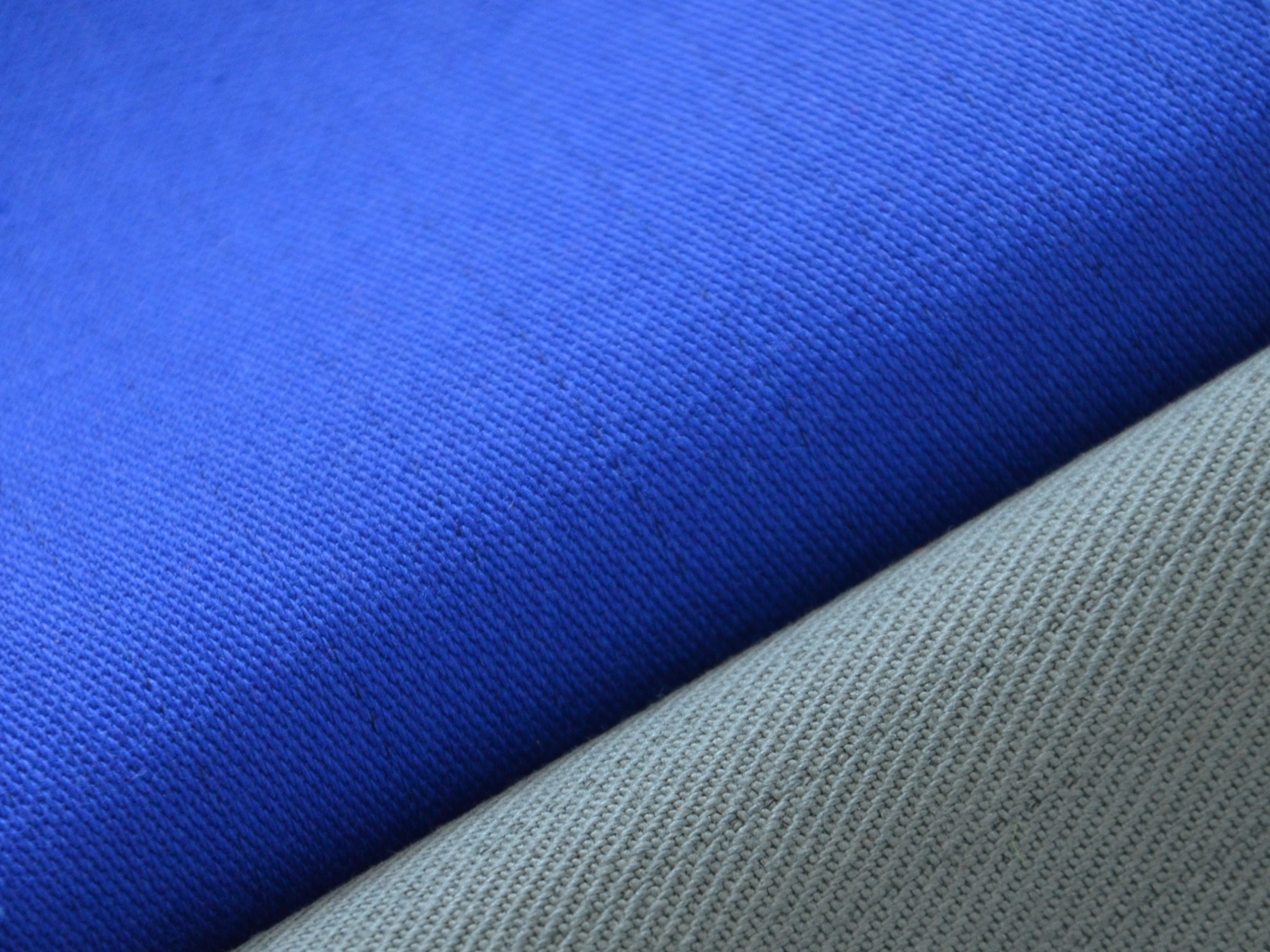
In an era where thermal demands push traditional materials past their breaking points, a new generation of fiber blends is quietly rewriting the rules. These aren't the bulky, stiff fabrics of old industrial lore. Instead, imagine supple weaves that laugh off temperatures once reserved for ceramics or heavy metals. By combining aramid filaments with basalt fibers or spinning liquid-crystal polymers into hybrid yarns, engineers have unlocked a sweet spot: flexibility that doesn't flinch at 600°C, breathability that still blocks radiant heat, and a lifespan that laughs in the face of repeated thermal cycling. It’s not magic—it’s molecular alignment and clever resin systems that dissipate energy before it sinks its teeth into the core structure.
What truly sets these blends apart is the way they handle thermal shock. A sudden plunge from a furnace’s glow into icy water would crack a monolithic ceramic coat, but these multi-material mazes redirect stress through thousands of micro-interfaces. Basalt’s innate fire resistance gets a partner in silica-based coatings, while core-sheath bi-component fibers create a thermal gradient armor—outer sheath chars into an insulating crust, inner core stays intact. The result? Protective gear that lets foundry workers move like athletes, or engine components that shed heat like water off wax. Even the stitching gets a rethink: glass-topped threads that hold seams firm when standard polyester would have long since melted into a puddle.
Beyond pure heat blocking, the blending game is veering into active thermal regulation. Phase-change microcapsules woven directly into the yarn store and release heat on cue, keeping a steady 37°C against a 200°C backdrop—no batteries, no fuss. And then there’s the quiet revolution of aerogel-infused filaments, so light they float yet so insulating they scoff at flames. Pair that with a carbonized rayon outer skin, and you’ve got fabrics that let drones hover near volcano vents or racing suits that hug flames in the pit lane without blistering the driver. These aren’t just materials; they’re a redefinition of where heat turns from threat to manageable parameter.
Precision Weaving: Engineering Fabrics for Extreme Environments
At the intersection of material science and advanced textile engineering, precision weaving redefines fabric performance for conditions where failure is not an option. Every thread is placed with intent, ensuring that the final textile can withstand extreme temperatures, abrasive particles, or prolonged exposure to UV radiation without compromising structural integrity. This is not simply about producing a tighter weave; it is a deliberate orchestration of fiber selection, yarn tension, and loom configuration to create a cohesive barrier that actively disperses stress and resists environmental degradation.
Away from the standardized production lines, these fabrics are often built with a singular purpose—be it wrapping around a spacecraft's sensitive components, reinforcing deep-sea pipelines, or shielding first responders from chemical hazards. The engineering process frequently incorporates hybrid yarn blends and three-dimensional weaving techniques that conventional textile machinery cannot replicate. By manipulating the architecture of the fabric at a micro level, manufacturers can embed thermal reflectivity, cut resistance, or electrostatic dissipation directly into the material's DNA, resulting in a textile that behaves less like a passive shield and more like an active component of a larger safety system.
Beyond Compliance: How We Exceed Industry Safety Standards
Safety isn't just a checkbox for us—it's woven into every decision we make. While meeting regulatory requirements is the bare minimum, we actively seek out emerging risks and address them long before they become industry-wide concerns. Our teams regularly participate in cross-sector safety consortiums, bringing back insights that help us refine protocols in ways regulations haven't yet mandated.
We've built an internal culture where anyone can pause operations if they sense a potential hazard, no questions asked. This empowerment has led to hundreds of proactive interventions, each one logged and analyzed to prevent recurrence. Additionally, our equipment undergoes stress testing at 150% of rated capacity, far beyond the standard 110%—not because we have to, but because we believe real-world conditions don't always follow the manual.
Transparency is another pillar. We share detailed safety performance data not just with regulators, but with clients, partners, and the public. In the past year, our voluntary audit results have consistently outperformed mandatory benchmarks, and our incident rate remains 70% lower than the industry average. That gap didn't happen by chance—it's the result of a deliberate choice to make safety a competitive advantage rather than a compliance burden.
Sector-Specific Textiles for Oil, Gas & Heavy Manufacturing
From drilling platforms to refinery floors, textiles in this sector must withstand punishing conditions without compromising on performance. Materials like aramid and carbon fiber blends are engineered to resist extreme heat, chemical exposure, and abrasive wear, ensuring that protective clothing and equipment covers hold up in environments where failure isn’t an option. These solutions are tailored to specific operational demands, from flame-resistant uniforms to heavy-duty filtration fabrics that keep machinery running cleanly.
Beyond personal protection, specialized textiles play a hidden but crucial role in containment and maintenance. Flexible composite liners for tanks and pipelines prevent corrosion and leaks, while high-tenacity fabrics reinforce hoses and seals that must endure constant pressure and movement. The focus is on practicality—fabrics that cut down on replacement cycles and unplanned downtime, adapting to the unique stressors of each heavy industrial setting.
Seamless OEM Partnership: From Prototype to Mass Production
Bringing a product idea to life demands more than just a supplier—it requires a partner who can navigate the twists and turns from initial concept to full-scale manufacturing. Our approach is built around true collaboration, where your vision is translated into a working prototype without unnecessary delays, and every design tweak is met with practical solutions rather than pushback.
We don’t treat the prototype stage as a one-off exercise. Instead, it becomes the foundation for a streamlined transition into mass production. By aligning materials, tooling, and testing protocols early on, we eliminate the usual friction that arises when scaling up. This means your product retains its integrity from the first sample to the thousandth unit, without last-minute compromises.
The partnership extends beyond the factory floor. Regular, transparent communication and on-the-ground problem-solving keep timelines intact, so you’re never left wondering about progress. Whether it’s a niche gadget or a consumer staple, the process feels seamless because we’ve internalized the understanding that your success is our benchmark—not just hitting a shipment date.
FAQ
FR Fabric OEM means we manufacture flame-resistant textiles specifically to your design and performance specifications, rather than you having to compromise with stock fabrics. You get control over fiber blends, weights, coatings, and even color matching, while off-the-shelf options often limit your choices to what's already on the market.
It starts with a consultation to nail down your technical needs, like required FR standards and fabric durability. We then develop a prototype, run it through in-house testing, and tweak it until it's perfect. Once you approve, we move to full-scale production with rigorous quality checks at every stage, and we can handle logistics right to your facility.
We primarily serve heavy-duty sectors like petrochemical, electrical utilities, and metal fabrication where arc flash and flash fire hazards are daily risks. But we've also done custom runs for wildland firefighting gear, military tent liners, and even FR upholstery for offshore rigs – if it needs to resist ignition, we can likely engineer a solution.
We don't just trust the label – our in-house lab tests every batch for vertical flame spread, heat resistance, and thermal shrinkage according to the exact standards you need. We also work with third-party certifiers to provide independent documentation, so you can have full compliance confidence without auditing the process yourself.
We work with inherent FR fibers like modacrylic and aramid, as well as chemically treated cotton and blends. For comfort, we can incorporate moisture-wicking backings, stretch components, or lightweight constructions without sacrificing the required protection – it's all about understanding the real-world work environment your people face.
We've built long-term relationships with fiber suppliers to secure steady stocks of specialty materials, and we keep buffer inventories for frequent requests. For custom orders, typical lead times range from 6 to 10 weeks depending on complexity, and we communicate any shifts immediately – no surprises.
We're flexible – while our standard MOQ is around 1,000 meters per design, we often support startups and R&D groups with smaller batches of 200-300 meters for initial testing or market trials. We believe great products start small, so we don't lock you into massive quantities before you're ready.
We stand by our work with a no-nonsense warranty and technical support team. If you ever encounter unexpected degradation or failure, we'll analyze the fabric, identify root causes, and either replace the batch or adjust the formulation for future orders – your crew's safety isn't something we take lightly.
Conclusion
Creating flame retardant textiles that truly protect workers in heavy industry means moving beyond off-the-shelf materials. Our OEM approach translates your concept into industrial reality, blending advanced fibers like modacrylic, aramid, and FR viscose to redefine heat resistance without compromising comfort. Each fabric undergoes precision weaving and finishing engineered for extreme environments, whether it's an oil rig in the North Sea or a foundry floor. We don't just meet safety standards—we exceed them by testing against the latest ISO and NFPA protocols, ensuring that every roll we ship anticipates the real-world hazards faced in oil, gas, and heavy manufacturing facilities.
A seamless OEM partnership hinges on more than just production capacity. From the first prototype sample to full-scale mass output, we align our processes with your manufacturing timeline and quality benchmarks. Sector-specific textiles are developed not as generic protective layers but as purpose-built shields—with targeted thermal performance, antistatic properties, and chemical resistance where needed. Our in-house R&D works iteratively with your team, fine-tuning fabric weight, drape, and durability so that the final garment performs exactly as intended. The result is a consistently reliable FR fabric supply that empowers your protective apparel line to stand out in a crowded market, safeguarding lives while reinforcing your brand's commitment to uncompromised safety.
Contact Us
Contact Person: Sandy
Email: [email protected]
Tel/WhatsApp: 86150 8310 5120
Website: https://www.frdrotex.com