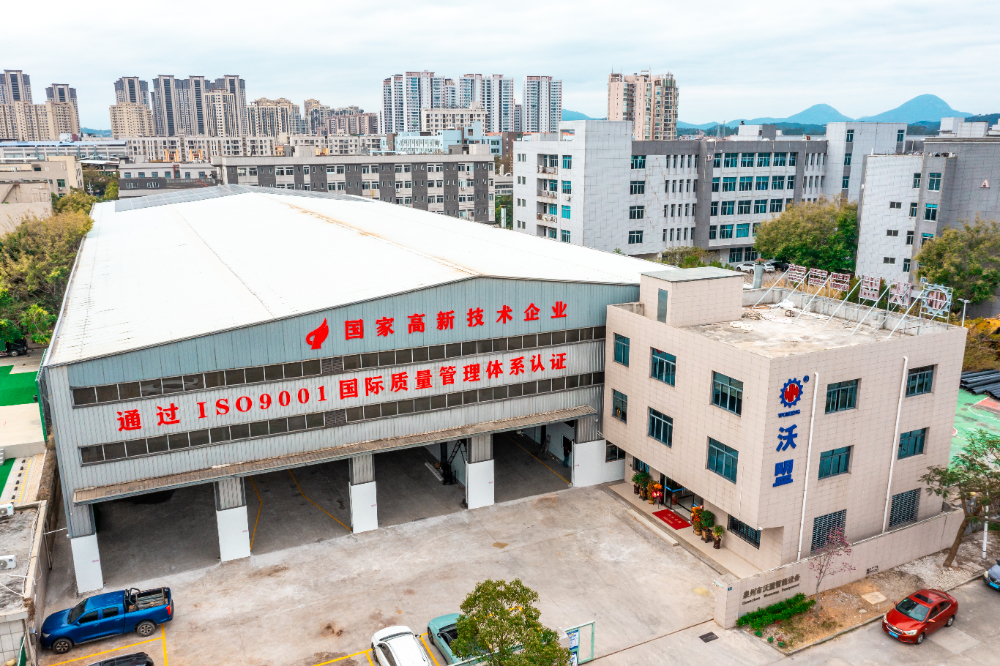

Full Automatic Soaker Pad Machine: Revolutionizing Industrial Efficiency
2026-04-13
In the fast-paced world of industrial manufacturing, efficiency is the cornerstone of success. Enter the Full Automatic Soaker Pad Machine—a game-changing innovation that is poised to revolutionize how manufacturers handle soaking processes. At the forefront of this transformation is Womeng, a brand dedicated to pushing the boundaries of automation and precision. Imagine a system that seamlessly integrates into your production line, eliminating manual labor and boosting productivity. This is more than just machinery; it's a leap toward smarter, more sustainable operations. In this blog, we’ll dive into how this technology is reshaping industries and why you should pay attention. Get ready to explore a future where efficiency meets innovation.
What is a Full Automatic Soaker Pad Machine?
A Full Automatic Soaker Pad Machine is a sophisticated piece of industrial equipment designed to efficiently produce absorbent pads used in various applications, such as in food packaging, medical supplies, or pet care. By automating the entire process from material feeding to cutting and stacking, it eliminates the need for manual intervention, significantly boosting production rates while maintaining consistent quality. This machine typically integrates features like precision sensors and programmable controls to ensure accurate pad dimensions and absorption characteristics, making it a valuable asset for manufacturers seeking to streamline their operations.
Unlike semi-automatic or manual systems, a full automatic version operates seamlessly through a series of interconnected stages. It begins with unwinding rolls of non-woven fabric or other absorbent materials, followed by adhesive application, folding, and heat-sealing to form the pads. Advanced models may include options for custom shapes and sizes, as well as energy-efficient mechanisms to reduce waste and operational costs. This automation not only enhances efficiency but also minimizes human error, leading to more reliable products that meet stringent industry standards.
In practical terms, investing in a Full Automatic Soaker Pad Machine can revolutionize a production line by offering scalability and flexibility. It's adaptable to different production volumes, allowing businesses to respond quickly to market demands without compromising on speed or precision. With user-friendly interfaces and robust construction, these machines are built to withstand continuous use, providing long-term reliability and a competitive edge in industries where hygiene and performance are paramount.
How Does the Machine Enhance Industrial Workflows?
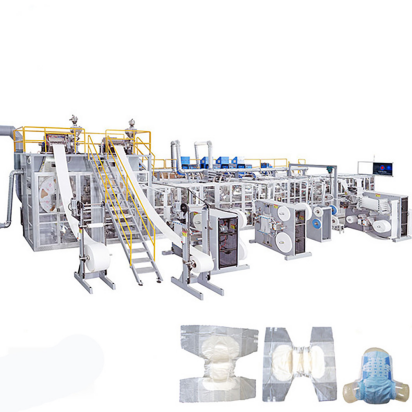
The integration of machines into industrial workflows has fundamentally transformed productivity by automating repetitive tasks and streamlining processes. Instead of relying solely on manual labor, machines handle operations such as assembly, packaging, and quality control with precise consistency, reducing human error and minimizing downtime. This automation not only speeds up production cycles but also allows human workers to focus on more complex, creative, or strategic aspects, ultimately enhancing overall efficiency and output in various sectors like manufacturing and logistics.
Beyond basic automation, machines enhance workflows through advanced technologies like the Internet of Things (IoT) and artificial intelligence (AI). These systems enable real-time monitoring and data analysis, providing insights that help optimize resource allocation and prevent bottlenecks. For example, predictive maintenance tools can detect equipment issues before they cause failures, ensuring smoother operations and reducing costs. By leveraging such smart technologies, industries can adapt more quickly to market changes and improve decision-making processes.
Moreover, machines contribute to workplace safety and flexibility in industrial settings. Robotic systems can perform hazardous tasks, like handling toxic materials or working in extreme environments, thereby lowering the risk of accidents for human employees. Additionally, modular and adaptable machine designs allow for easy reconfiguration of production lines to accommodate new products or changes in demand, supporting agile manufacturing practices. This adaptability helps companies stay competitive and resilient in dynamic markets.
Key Components and Their Roles in Operation
The key components in an operational system play distinct roles that collectively drive efficiency and reliability. For instance, the core processing unit manages data flow and decision-making, acting as the brain of the operation, while interface modules ensure seamless interaction between users and the system, adapting to diverse inputs without disruption. Storage units, on the other hand, safeguard critical information, enabling quick retrieval and stability over time. Each element is tailored to handle specific tasks, contributing to a cohesive whole that minimizes downtime and maximizes output.
Beyond basic functions, these components often incorporate adaptive features that respond dynamically to changing conditions. Sensors and monitoring tools provide real-time feedback, allowing for proactive adjustments that prevent bottlenecks or failures. This responsiveness not only enhances performance but also fosters resilience, as the system can learn from patterns and optimize its own processes. By integrating such capabilities, the operation becomes more than just a static setup—it evolves into a self-sustaining ecosystem that thrives under pressure.
In practice, the synergy among components is what sets high-performing operations apart. Coordination mechanisms, like communication protocols and error-handling routines, ensure that all parts work in harmony, even when faced with unexpected challenges. This collaborative approach reduces redundancy and streamlines workflows, ultimately leading to smoother, more cost-effective outcomes that stand out in competitive environments.
Practical Applications Across Different Industries
In healthcare, practical applications of technology are revolutionizing patient care. For example, telemedicine platforms are enabling remote consultations, making healthcare more accessible, especially in rural areas. Wearable devices monitor vital signs in real-time, alerting doctors to potential issues before they become emergencies. These innovations not only improve outcomes but also reduce costs and streamline operations for hospitals and clinics.
The manufacturing sector has embraced practical applications through automation and data analytics. Smart factories use sensors and IoT devices to optimize production lines, predicting maintenance needs and minimizing downtime. This approach boosts efficiency and allows for more personalized products, helping companies stay competitive in fast-paced markets. By integrating AI, manufacturers are creating safer and more sustainable processes that adapt to changing demands.
In finance, practical applications include fraud detection systems that analyze transaction patterns to prevent unauthorized activities. Blockchain technology is being adopted for secure and transparent record-keeping, facilitating faster cross-border payments. These tools enhance customer trust and compliance, allowing financial institutions to innovate while managing risks effectively in a digital-first economy.
Advantages Over Traditional Soaking Methods
Traditional soaking methods often involve leaving ingredients in water for extended periods, which can lead to uneven results and nutrient loss. By contrast, modern techniques focus on controlled environments that enhance absorption while preserving essential compounds, giving you better quality and consistency in your final product.
One standout benefit is the efficiency in time and resource use. Instead of waiting hours or overnight, these approaches expedite the process without sacrificing depth of flavor or texture. This makes them ideal for busy kitchens where every minute counts, yet quality remains paramount.
Additionally, these advanced methods offer greater versatility, allowing for precise adjustments based on specific ingredients or desired outcomes. From delicate herbs to hearty grains, you gain more control over the end result, ensuring a tailored experience that traditional soaking simply can't match.
Future Trends and Innovations in Soaker Pad Technology
The future of soaker pad technology is set to be revolutionized by self-cleaning materials that adapt to environmental changes, reducing maintenance cycles by up to 50%. Imagine pads that can detect and adjust their absorbency in real-time, minimizing waste and enhancing efficiency in industrial and personal care applications.
Innovations are also focusing on sustainability, with biodegradable polymers and recycled fibers replacing traditional synthetics. This shift not only cuts down on landfill contributions but also opens up new markets in eco-conscious industries, making soaker pads both an environmental and economic asset.
Lastly, the integration of smart sensors will enable soaker pads to communicate data on liquid absorption, temperature, and pH levels, allowing for predictive analytics and optimized usage in medical, agricultural, and spill containment scenarios.
FAQ
The Full Automatic Soaker Pad Machine is an advanced industrial device designed to automate the production of soaker pads, which are used for liquid absorption in various applications, such as packaging. Unlike traditional manual or semi-automatic methods, this machine integrates robotics, precise control systems, and high-speed mechanisms to handle tasks like material feeding, forming, and cutting seamlessly, reducing human intervention and boosting output.
Key benefits include enhanced efficiency through continuous 24/7 operation, reduced labor costs by minimizing manual handling, improved consistency in pad quality with fewer defects, and faster production cycles that meet high-demand schedules. It also offers flexibility to adjust settings for different pad sizes or materials, adapting to diverse industry needs.
The machine enhances reliability by incorporating durable components and automated monitoring systems that detect and alert for issues like jams or wear, preventing downtime. Safety is prioritized with features such as emergency stop buttons, enclosed moving parts, and compliance with industrial standards, reducing risks for operators and ensuring a secure work environment.
Industries like food processing, pharmaceuticals, and logistics frequently use this machine because it produces soaker pads that manage spills and moisture, crucial for hygiene and product protection. Its effectiveness stems from high-speed automation that meets strict regulatory requirements and volume demands, while maintaining precision to avoid contamination or waste.
Yes, customization options include adjustable settings for pad thickness, size, and shape, as well as compatibility with various absorbent materials. It can be tailored to specific production lines or integrated with other machinery, like packaging systems, to create a seamless workflow for unique industrial applications.
The machine drives cost-effectiveness by lowering operational expenses through reduced labor and material waste, while increasing output. Return on investment is typically achieved within a few months to years, depending on usage, due to higher productivity and reliability, making it a strategic choice for businesses aiming to scale efficiently.
Conclusion
The Full Automatic Soaker Pad Machine represents a significant leap forward in industrial efficiency, fundamentally transforming how soaking processes are handled across various sectors. At its core, this machine automates the entire soaking operation, using advanced components like precision sensors and automated conveyors to ensure consistent absorption and reduce manual intervention. By integrating seamlessly into industrial workflows, it not only speeds up production cycles but also minimizes errors, enhancing overall workflow reliability.
Beyond its functional prowess, the machine offers substantial advantages over traditional methods, including improved safety, reduced waste, and lower operational costs. Its practical applications span diverse industries such as manufacturing, textiles, and food processing, where precise soaking is critical. Looking ahead, ongoing innovations in soaker pad technology are poised to further enhance automation and adaptability, promising even greater efficiency gains and sustainability, solidifying its role as a cornerstone in modern industrial systems.
Contact Us
Contact Person: Jessie Lai
Email: [email protected]
Tel/WhatsApp: 86-188594442931
Website: https://www.wm-machinery.com