
Nonylphenol: Top 10 Uses, Risks and Environmental Impacts You Must Know
2026-03-05
Have you ever wondered about the hidden chemicals in everyday products? Nonylphenol, a compound you've likely encountered more often than you realize, is quietly woven into the fabric of modern life—from detergents to plastics. Yet, its widespread use comes with significant risks and environmental impacts that demand attention. In this blog, we delve into the top 10 uses of nonylphenol, uncover the potential dangers, and explore its far-reaching effects on our planet. At POLYKEM, we're committed to fostering awareness and promoting safer alternatives. Join us as we navigate the complexities of this chemical and empower you with knowledge to make informed choices.
Understanding Nonylphenol's Basics and Core Applications
Nonylphenol, a chemical that often flies under the radar in discussions about industrial compounds, is actually a key player in various manufacturing sectors. To grasp its basics, it's essential to know that it falls under the category of alkylphenols, derived from nonene. Its unique structure, characterized by a phenolic ring attached to a nine-carbon chain, gives it distinct properties like moderate solubility in water and a tendency to act as a surfactant. This foundational knowledge sets the stage for understanding why it's so widely utilized in real-world applications.
When it comes to core applications, nonylphenol shines in specialized areas that might surprise those not familiar with industrial chemistry. It's frequently employed as an intermediate in the production of nonylphenol ethoxylates, which are crucial in formulating detergents and cleaning agents due to their emulsifying abilities. Beyond that, it finds a niche in enhancing the performance of pesticides, where it helps improve adhesion and spread on plant surfaces, making treatments more effective. Another less obvious but important use is in the manufacture of certain resins and plastics, where it contributes to durability and flexibility.
In exploring these applications, it's clear that nonylphenol's versatility stems from its chemical makeup, allowing it to adapt to different industrial needs. While its use is widespread, recent shifts in environmental regulations have prompted a closer look at alternatives, as studies highlight potential ecological impacts. This evolving landscape makes understanding its basics and applications not just a matter of industrial knowledge, but also a step toward more sustainable practices in the future.
Everyday Items Where Nonylphenol Lurks Unexpectedly
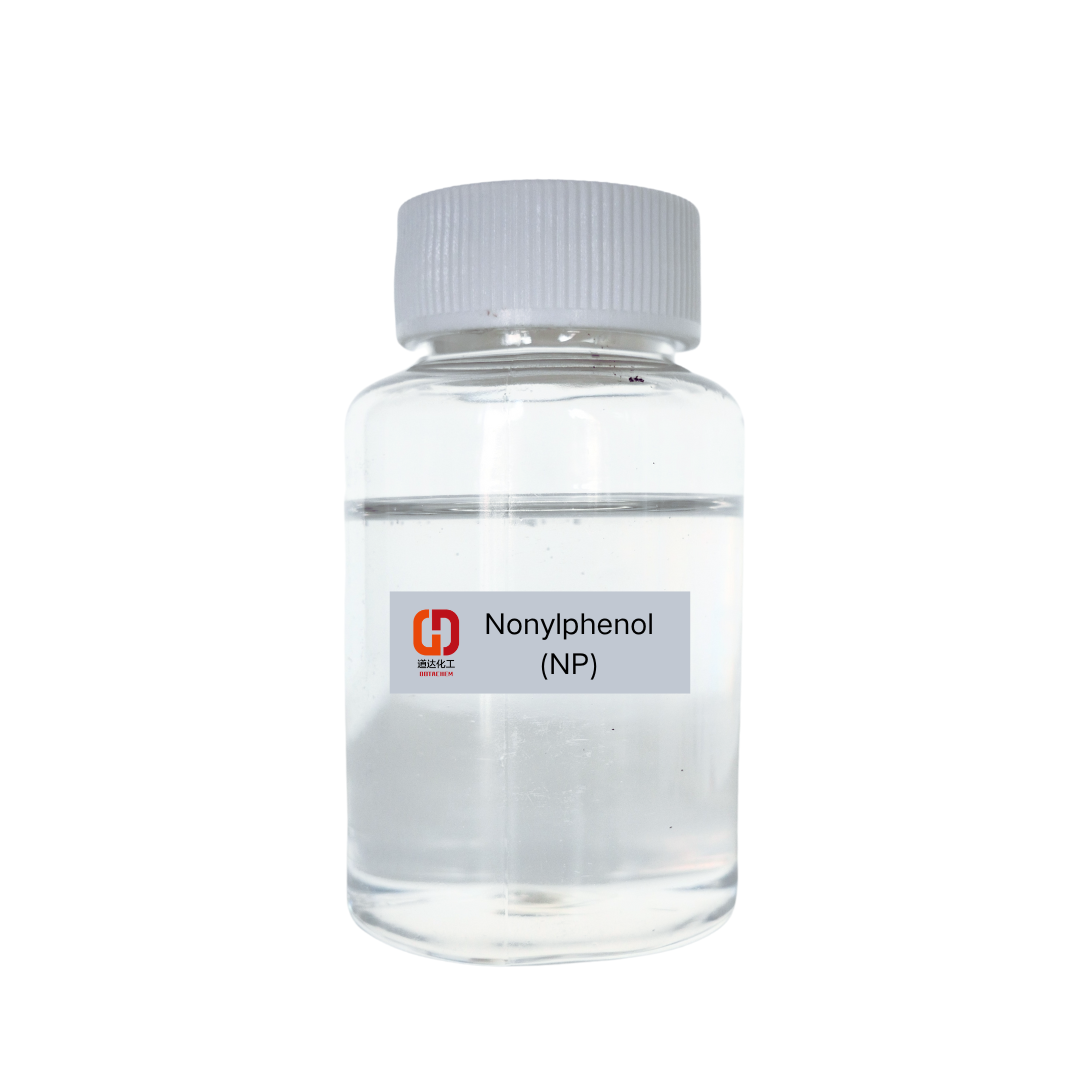
Nonylphenol, a chemical often overlooked, hides in many household products. From your favorite laundry detergent to the cosmetics you apply daily, it's more common than you think. Even some plastics and textiles contain traces, silently accumulating in our environment over time.
Surprisingly, nonylphenol can be found in items like cleaning sprays and personal care lotions, where it acts as a surfactant or stabilizer. Its persistence means it doesn't break down easily, leading to subtle contamination. Many people are unaware that their daily routines might expose them to this compound through repeated use of such products.
Beyond obvious sources, nonylphenol lurks in less expected places like certain processed foods or packaging materials. As regulations vary globally, consumers often remain in the dark about its presence. Being mindful of product labels and opting for greener alternatives can help reduce unintended exposure to this pervasive chemical.
Health Dangers Linked to Nonylphenol Exposure Over Time
Prolonged exposure to nonylphenol, a chemical commonly found in industrial detergents, plastics, and pesticides, poses significant health threats that accumulate over the years. Studies suggest that as this compound enters the body through environmental sources like contaminated water or food, it disrupts endocrine functions, potentially leading to hormonal imbalances. Over time, these disruptions may increase the risk of reproductive issues, such as infertility and developmental abnormalities in offspring, as well as metabolic disorders like obesity and diabetes. The gradual buildup of nonylphenol in tissues underscores the importance of monitoring long-term exposure, especially for individuals in high-risk occupations or areas with poor regulatory controls.
Beyond hormonal effects, nonylphenol exposure is linked to chronic inflammation and immune system suppression, which can weaken the body's defenses against diseases. Research indicates that over extended periods, this chemical may contribute to organ damage, particularly in the liver and kidneys, as it interferes with cellular processes and increases oxidative stress. These cumulative impacts highlight how everyday products, from cleaning agents to personal care items, subtly introduce nonylphenol into our lives, emphasizing the need for safer alternatives and stricter environmental policies to mitigate long-term health consequences.
Interestingly, the dangers of nonylphenol exposure vary with age and lifestyle factors, making it a nuanced public health concern. For instance, children and pregnant women might face heightened risks due to their developing systems. As science advances, emerging evidence points to potential connections with neurological conditions and certain cancers, although more longitudinal studies are needed. This evolving understanding encourages proactive measures, such as reducing use of nonylphenol-containing products and advocating for transparent labeling, to protect populations from its insidious, long-term effects on well-being.
How Nonylphenol Pollutes Waterways and Soil Ecosystems
Nonylphenol enters waterways through industrial discharges, agricultural runoff, and wastewater treatment plants, where it resists degradation and accumulates in aquatic environments. This chemical disrupts hormone systems in fish and other organisms, leading to reproductive issues, altered growth patterns, and reduced biodiversity. Over time, its persistence allows it to spread through rivers and lakes, creating long-term ecological imbalances that are difficult to reverse.
In soil ecosystems, nonylphenol contamination occurs from pesticide use, sludge application, and leaching from plastic products, where it binds to organic matter and reduces microbial activity essential for nutrient cycling. This hinders plant growth and soil fertility, while also posing risks to invertebrates like earthworms, which play crucial roles in maintaining soil structure. The chemical's slow breakdown means it can linger for years, gradually poisoning the ground and affecting food chains from the bottom up.
Beyond its direct toxic effects, nonylphenol's impact is amplified by its ability to bioaccumulate, meaning it builds up in organisms over time and magnifies through the food web. This makes even low-level exposures hazardous, as predators at higher trophic levels ingest contaminated prey, leading to widespread health declines. Addressing this pollution requires targeted strategies, such as improving filtration systems and regulating industrial use, to mitigate its stealthy yet profound damage to both aquatic and terrestrial habitats.
Regulatory Responses and Global Policies on Nonylphenol Use
Governments and international bodies have increasingly tightened regulations on nonylphenol due to its persistence and toxicity in aquatic environments. The European Union, for instance, has banned its use in industrial cleaning products and textiles under REACH, while the United States EPA has issued guidelines restricting it in certain applications, reflecting a shift toward precautionary measures amid environmental concerns.
Beyond national efforts, global initiatives like the Stockholm Convention on Persistent Organic Pollutants highlight the compound's risks, urging member countries to phase out or restrict nonylphenol use. This has spurred collaborative policies across regions, such as in Asia where countries like Japan and South Korea have adopted stringent limits, aiming to align with international standards and reduce cross-border pollution.
Innovations in policy-making include the integration of scientific research into regulatory frameworks, allowing for dynamic updates as new data emerges on nonylphenol's health impacts. Some jurisdictions are also promoting alternatives through incentives, fostering a market shift toward safer chemicals and enhancing global consistency in environmental protection efforts.
Safer Alternatives and Tips for Reducing Nonylphenol in Your Life
Nonylphenol is a chemical often found in everyday products like detergents, cosmetics, and plastics, which can disrupt hormones and harm the environment. To reduce exposure, opt for plant-based or biodegradable cleaning products that explicitly state they are free from nonylphenol ethoxylates. Many eco-friendly brands now offer effective alternatives that clean just as well without the chemical risks. For personal care items, check labels on shampoos, soaps, and lotions; look for certifications like 'organic' or 'non-toxic' to avoid hidden nonylphenol content. Switching to natural or mineral-based cosmetics can also lower your intake of this concerning substance.
In household and garden settings, nonylphenol might be present in pesticides, paints, or adhesives. Choose water-based paints and non-chemical pest control methods, such as companion planting or natural repellents, to minimize contact. When handling plastics, especially those used for food storage or packaging, avoid items labeled with recycling codes 3 or 7, as they may contain nonylphenol or related compounds. Instead, use glass, stainless steel, or BPA-free containers for safer storage solutions. These simple swaps not only protect your health but also contribute to a cleaner ecosystem by reducing chemical runoff.
To make a bigger impact, advocate for stricter regulations on nonylphenol use and support companies that prioritize safer ingredients. Educate yourself by reading product ingredient lists and staying informed about local environmental policies. Small, consistent changes—like choosing nonylphenol-free laundry detergents or opting for natural fabrics over synthetic ones—can significantly decrease your overall exposure over time. By being mindful of these tips, you can lead a healthier lifestyle while encouraging broader industry shifts toward non-toxic alternatives.
FAQ
Nonylphenol is an industrial chemical derived from phenol and nonene, commonly used in manufacturing detergents, plastics, and pesticides, considered synthetic due to its man-made production process and widespread environmental persistence.
In cleaning products, Nonylphenol functions as a surfactant and emulsifier, helping to break down oils and grease, but its use has declined in many regions due to health and environmental regulations.
Exposure to Nonylphenol may lead to endocrine disruption, potentially causing hormonal imbalances, reproductive issues, and increased cancer risk, particularly through contaminated water or food sources.
Nonylphenol accumulates in water systems, acting as an endocrine disruptor in fish and other aquatic organisms, leading to reproductive failures, developmental abnormalities, and bioaccumulation in the food chain.
Many countries, such as those in the EU and Canada, have banned or restricted Nonylphenol in consumer products due to its toxicity, with regulations focusing on reducing industrial discharges and promoting safer alternatives.
Alternatives include bio-based surfactants, less toxic chemicals like alcohol ethoxylates, and green chemistry innovations designed to minimize environmental harm while maintaining effectiveness.
To reduce exposure, opt for eco-friendly cleaning products, avoid plastics labeled with certain recycling codes, and support policies that limit industrial pollutants in water and consumer goods.
Conclusion
Nonylphenol (NP) is a widely used chemical compound derived from nonylphenol ethoxylates, primarily serving as a surfactant and industrial additive. Its core applications span across manufacturing, agriculture, and household products, making it a common yet often overlooked component in daily life. Beyond its utility, NP poses significant health risks, including endocrine disruption and potential links to chronic diseases with long-term exposure. Understanding these basics is crucial for grasping why regulatory measures are increasingly necessary to curb its pervasive presence.
The environmental impacts of nonylphenol are alarming, as it contaminates waterways and soil ecosystems, threatening biodiversity and water quality. From everyday items like detergents and plastics to unforeseen sources, NP's persistence in the environment underscores the urgency for safer alternatives. Global policies and regulatory responses are evolving to address these challenges, while practical tips for reducing NP in personal routines can empower individuals to make informed choices, highlighting the balance between industrial use and ecological responsibility.
Contact Us
Contact Person: Levi
Email: [email protected]
Tel/WhatsApp: +86 532 84688720
Website: https://www.polykem-intl.com