

Prefabricated Cabin Supplier Guide: Key Factors for a Reliable Modular Cabin Partner
2026-10-13
You can spot a dependable prefabricated cabin partner long before the first module arrives—if you know which signals to read. Most buyers focus on price and delivery dates, then learn the hard way that structural details, after-sales response, and production transparency matter more. That's where Chang Song stands out: a supplier that treats modular cabins as long-term assets, not one-off transactions. This guide breaks down the key factors that separate a reliable modular partner from a costly gamble, so your next project starts with clarity instead of guesswork.
The Factory Floor Questions Most Buyers Forget to Ask a Cabin Supplier
Most buyers spend hours comparing floor plans and finish samples, yet never ask what happens to a cabin once the order hits the production line. Walk the floor and you will see the difference between a supplier that batches components for weeks and one that moves each unit through stations without stacking half-built shells in a corner. Ask where the lumber is kept before cutting, how long it acclimates, and whether the crew tracks moisture content at every shift. Those answers reveal more about long-term stability than any brochure.
Another overlooked question is about the rejects. Every line produces a crooked stud, a delaminated panel, a misaligned window frame. What does the supplier do with them? If the answer is a shrug or a hidden dumpster out back, expect the same tolerance for error in your cabin. Better to ask if there is a visible rework area, who signs off on fixes, and whether flawed pieces are quarantined or quietly reused. On a factory floor, pride shows up in the scrap bin.
A less obvious question is how many custom orders are on the floor at once. Too many, and every station starts juggling half-finished units. Ask to see the daily build sheet, not the sales pipeline. If the factory runs three different cabin widths through the same line without a reset, components drift. The best suppliers can point to the exact moment a saw blade was last changed and why. That kind of answer means your cabin won't arrive with gaps painted over.
Materials That Sound Good Versus Those That Survive the Elements
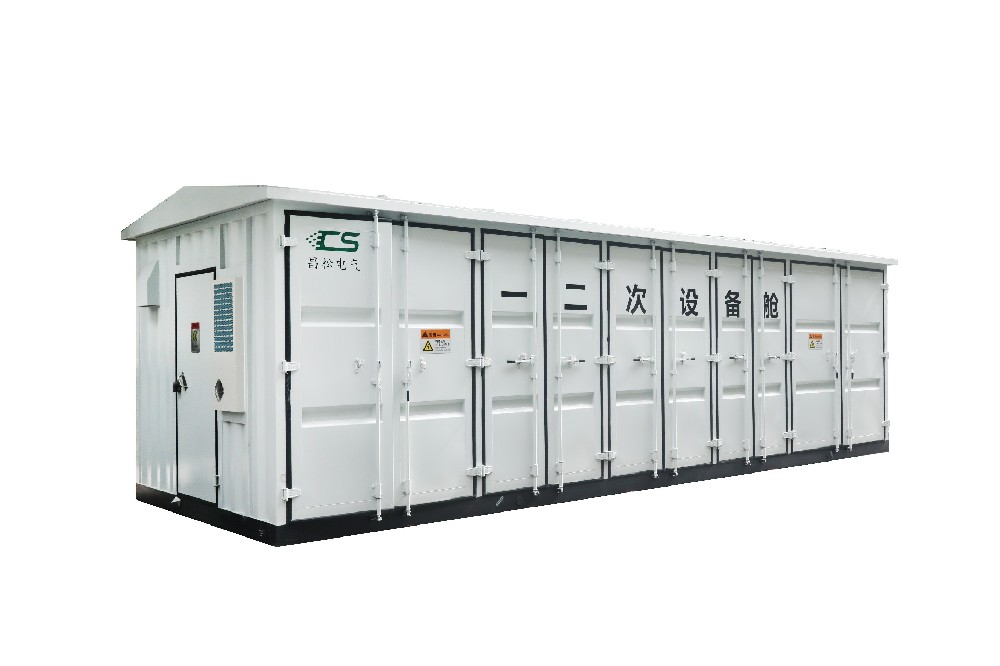
There's a common trap in material selection: choosing based on how a name or a datasheet looks on paper, rather than how it holds up when rain, salt, wind, and UV get involved. A product might boast impressive acoustic properties or a sleek finish, but if it warps after one humid season or fades under direct sun, that initial appeal matters little. The real question is whether you're buying a material for its marketing story or for its endurance in the places people actually live and work.
Take wood-plastic composites, for example. Many are sold as low-maintenance alternatives to timber, and they sound great in a showroom. Yet those with high wood content can swell, stain, or grow mildew in coastal climates. Untreated cedar, on the other hand, doesn't have a fancy composite name, but its natural oils resist rot and insects for decades without added chemicals. The difference is between what sounds durable in a brochure and what actually stays intact when a nor'easter hits.
This divide also shows up in metals. Powder-coated aluminum sounds modern and weatherproof, but cheap coatings can chalk and peel within a few years of intense sun. Hot-dip galvanized steel, a rougher, less polished option, often outlasts it because the zinc layer sacrifices itself slowly rather than flaking off in sheets. The lesson is simple: materials that survive don't always come with the cleanest pitch. They come with a track record in the worst conditions you can imagine.
Custom Cabin Requests and the Hidden Timelines No One Mentions
Most clients start a custom cabin project with a mental image of the finished structure and a rough idea of when they'd like to move in. What they rarely hear, unless they press for details, is that the timeline isn't really driven by the visible building stages. The silent stretches between decisions, waiting on permit reviewers, or tracking down a specific type of timber can swallow weeks without any visible progress. Those gaps are the real schedule, and they're almost never listed in a proposal.
Framing goes up quickly, but before that there are soil tests, structural engineering adjustments for snow loads, and utility easement checks that can stall for reasons no builder can control. Custom requests make this worse. A particular window order might have a twelve-week lead time, and if it arrives damaged, you're back at the end of the queue. Even the most organized contractor can't fabricate a specialty range hood or hand-forged door hardware faster than the supplier allows.
The best way to avoid surprises is to ask about "non-working days" rather than a completion date. Ask what happens when the crew isn't on site: are materials being fabricated, is someone waiting on an inspection, or did the schedule simply slip because another project ran long? Builders often leave these quiet periods out of initial conversations, not to mislead, but because listing every potential delay would make the project sound riskier than they believe it is. Understanding the hidden timeline upfront saves you from mistaking normal pauses for neglect.
Logistics Nightmares You Can Avoid by Vetting Installation Experience
A lot of project managers learn the hard way that a cheap quote often hides a cascade of delivery and setup problems. You schedule the install for Tuesday, but the crew shows up with the wrong bracket or a partially missing hardware kit. Half the afternoon is lost while someone calls the supplier, and then the installer mentions he's never worked with this particular model. That's when the real headache starts—trucks blocking the loading dock, forklifts idle, and your timeline slipping. Vetting installation experience before signing off means checking how many similar jobs they've completed and whether they routinely coordinate material staging. An installer who has handled the exact equipment before will already know which components need to arrive first and what often gets mis-packaged.
Experienced installers think about problems that never occur to a rookie. They arrange for a backup lift gate if the primary truck can't dock, they confirm the aisle width in the facility ahead of time, and they pack spare fasteners because they know a missing bolt can stall an entire crew. Without that vetting, you're often stuck managing a surprise: maybe the unit is too wide for the doorway, or the rigging team isn't certified for the building's floor load. Those surprises aren't just inconvenient; they can cost thousands in rescheduling and idle labor. When you interview installers, ask for a walk-through of their last three projects—not the highlights, but the moments where something went off-plan and how they handled it.
Vetting also reduces the kind of administrative chaos that nobody budgets for. A seasoned installer brings their own permits template, knows which local inspector will ask about the seismic straps, and coordinates the electrician so the panel isn't blocked. Compare that to a green team that leaves you juggling four different vendors and a punch list that never seems to end. The real value of experience shows up in the final days: labels match the drawings, the site is cleaned, and the handoff packet includes the serial numbers and warranty forms already filled out. That doesn't happen by luck—it's the result of habitual process, and that's exactly what you're paying for when you vet installation history instead of just comparing labor rates.
Certifications That Matter More Than Marketing Claims
A glossy label can say almost anything, but a certification carries the weight of outside scrutiny. When a product claims to be "eco-friendly" or "sustainably sourced" without a recognized standard behind it, there's no way to tell whether the company is simply describing its aspirations. Certifications such as Fair Trade, GOTS, or B Corp require audits, documentation, and ongoing compliance — steps that marketing language alone doesn't have to clear.
The difference becomes obvious when you compare a vague promise like "made with recycled materials" to a specific credential that sets a minimum percentage and traces the supply chain. Look for marks that are independently verified rather than created in-house. A certification loses its value if the organization behind it is funded primarily by the brands it certifies, so checking who sets the standards matters as much as the logo itself.
In practice, this means favoring labels with transparent criteria and public audit results. It's not that every uncertified product is misleading, but certifications give you a consistent baseline. When two products sit side by side, the one with a meaningful third-party certification has already answered questions the other is still asking you to take on faith.
After the Sale What Actually Keeps a Modular Cabin Livable
A modular cabin looks flawless on delivery day, but the first winter storm or humid summer reveals what the brochure never mentions. Livability comes down to the joints you cannot see: how the roof overhang sheds water away from wall seams, whether the floor insulation extends past the perimeter beam, and if the ventilation in the loft actually moves air instead of letting condensation settle on the underside of the roof deck. These details cost nothing to admire but everything to fix later.
Beyond the shell, the systems that stay quiet matter most. A propane line sized for a single cooktop might struggle when you add a water heater and a backup generator. The electrical panel needs spare capacity for a well pump, a washer, or an electric vehicle charger you did not plan on. And the septic or composting setup should handle more than weekend use if the cabin ever becomes a full-time retreat. Pay attention to access panels, shutoff valves, and filter locations—if you cannot reach them without moving furniture, routine maintenance will not happen.
Finally, what keeps a cabin livable is not a feature but a habit: walking the perimeter after heavy rain, checking the humidity under the bathroom sink, and listening for the soft hiss of a pressure relief valve that no one else notices. A well-built modular cabin rewards that kind of attention. Ignore it, and even the best floor plan becomes a damp box in the woods.
FAQ
Start with their actual production history and the types of projects they have completed, not just the sample photos on their website. A supplier with experience in your specific use case, whether it is remote housing, site offices, or emergency shelters, will usually flag potential issues before you even sign a contract.
It determines the cabin's thermal performance, structural lifespan, and how often you will need repairs. Ask for the exact grade of steel, insulation density, and coating process. A cheap quote that skimps on galvanizing or uses thin wall panels will cost you far more within three to five years.
Request drawings from previous non-standard projects, and ask how they manage design revisions once production begins. A reliable partner will show you a clear change-order process and examples of layouts they altered for specific site conditions, rather than just saying 'we can do anything'.
Most suppliers quote a production window after drawing approval, with transport arranged separately or included depending on the contract. The key is a phased timeline: design freeze, material procurement, assembly, and pre-delivery inspection. Be wary of any supplier that promises a firm delivery date before seeing your final specifications.
Look for a written warranty covering structural integrity and water tightness for at least a few years, plus a straightforward process for reporting defects. You also want access to replacement parts like door seals, window latches, and panel connectors without having to chase the salesperson for months.
Third-party certificates for structural calculation, fire resistance of wall panels, and environmental compliance give you a baseline. Do not rely only on the supplier's self-declared quality claims. If your cabins will be placed in a regulated area, confirm that the certifications are accepted by local building authorities before ordering.
Ask whether they send a supervisor to the site, supply a detailed assembly manual with torque values and sealing instructions, or offer remote video support during installation. The most reliable suppliers treat installation as part of the product, not an afterthought, and they can show you training documents or checklists they give to local crews.
Break down each quote into materials, factory labor, delivery, and optional installation services so you are comparing the same scope. Watch for hidden exclusions like crane fees, foundation anchors, or electrical fittings. A slightly higher quote that includes these items is often cheaper overall than a low bid with a long list of extras.
Conclusion
A surprising number of buyers get charmed by renderings and never step onto the factory floor. That is where you learn whether a modular cabin supplier is actually consistent. Ask how they jig their steel frames, whether insulation is cut to fit or stuffed, and what happens to units that fail a tolerance check. Materials are another place where pretty spec sheets mislead. Galvanized steel outlasts powder-coated mild steel in coastal air, and marine-grade plywood handles repeated wet-dry cycles far better than standard board. If a supplier brushes off those comparisons, walk away. Custom requests usually carry hidden timelines because one small change—like moving a window—forces adjustments to framing, wiring, and interior paneling. A trustworthy supplier maps that ripple effect before you sign, not after production stalls. The same goes for logistics. Many cabins arrive fine at the factory gate but get damaged on a muddy slope because the supplier has never installed on uneven terrain. Ask for photos of completed projects on sites similar to yours.
Certifications should be the quiet backbone of your decision, not the loud claim on a homepage. Look for third-party structural testing, fire-safety approvals, or ISO 9001, and ask who performed the audit and when. Marketing phrases like heavy duty or weatherproof mean little without test data. Once the cabin is delivered, what keeps it livable is less glamorous: ventilation paths that prevent condensation, thermal breaks that stop cold spots, and a supplier who stocks replacement seals, hinges, and panels. A reliable modular cabin partner will hand you a maintenance schedule that names specific parts and intervals, not a vague promise. Ultimately, you are choosing a long-term relationship, not a product in a box. The right supplier answers factory-floor questions without defensiveness, uses materials proven in your climate, gives realistic timelines for custom work, brings real installation experience, and lets independent testing do the talking.
Contact Us
Contact Person: Tonglun Chen
Email: [email protected]
Tel/WhatsApp: 8618906642555
Website: https://www.cncsele.com