

Professional Zipper Box: The Ultimate Storage Solution for Organized Spaces
2026-09-11
Ever stared at a pile of clutter and wished for an instant fix? The professional zipper box might just be that quiet hero your space has been missing. At Kuaijie Carton, we've rethought this everyday essential into a storage powerhouse that blends strength, style, and simplicity. Forget flimsy containers that fall apart — here's why this box is changing how people keep their lives in order.
Why a Zipper Box Beats Traditional Storage Containers
Most storage containers force you into a rigid shape—either a bulky plastic bin that never quite fits the shelf or a flimsy tote that collapses under pressure. A zipper box flips that logic. It arrives flat, expands into a sturdy cube, and then folds back down to a slim rectangle when you’re done. That flexibility alone makes it a stronger choice for closets, under-bed spaces, and even car trunks where traditional bins waste precious inches.
The real difference shows up in daily use. Traditional containers often have lids that snap, crack, or vanish into the abyss. A zipper box keeps everything sealed with a simple pull—no wrestling, no broken hinges, and no dust sneaking in through gaps. You can stack them without worrying about a lid popping off, and because the zipper runs along the top edge, you can open one side without disturbing the whole stack.
Durability is another quiet win. Hard plastic bins scratch, yellow over time, and eventually crack at the corners. Fabric zipper boxes, especially those with reinforced stitching and a sturdy frame, shrug off being dragged across floors or shoved into tight corners. They also look better sitting on a shelf—less garage utilitarian, more like a intentional part of the room. For anyone tired of cracked lids and wasted space, the switch is almost instinctive.
Sizing Up: Finding the Perfect Fit for Closets, Shelves, and Under-Bed Spaces
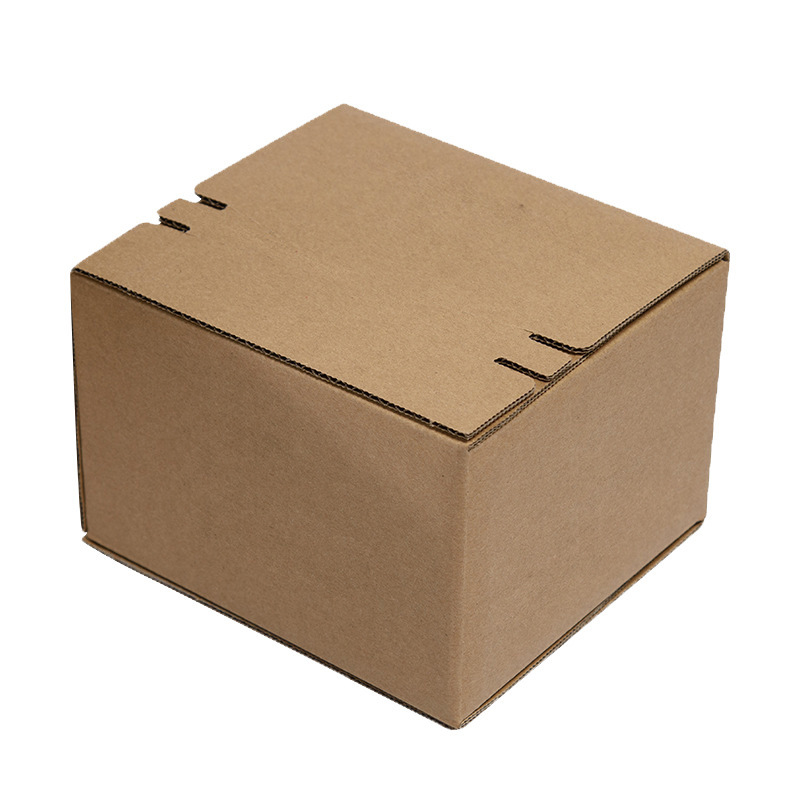
Before buying anything, grab a tape measure and write down the exact interior dimensions of your closet, shelf, or under-bed area. For closets, note the height from floor to rod, the depth from back wall to door, and the width between side walls. That last measurement matters more than people think—two closets with the same rod height can feel completely different if one is 24 inches deep and the other is 30. Leave at least an inch of clearance on all sides so doors can close without scraping and you can still reach items in the back.
Shelves are trickier because the load matters just as much as the footprint. Measure the distance between vertical supports, not just the board length, and check the shelf's weight rating before stacking heavy books or bins. Adjustable tracks give you flexibility if your storage needs change seasonally, but fixed shelves often hold more weight per linear foot. For under-bed spaces, measure the clearance from floor to bed frame's lowest point, then subtract half an inch for rug pile or uneven floors. Low-profile bins with smooth-rolling wheels or felt pads slide easier on hardwood and protect the floor.
Finally, test the fit with a dry run before committing to a full organization system. Cut cardboard to the planned dimensions and place it in the space, or use a folded blanket to simulate drawer depth. If you have to wiggle something in at an angle, it's too big. The goal is not just to fill empty space, but to leave enough breathing room for daily access—about an extra inch in front of folded clothes or a finger's width between stacked bins.
Materials That Hold Up: From Heavy-Duty Canvas to Clear Vinyl
When choosing materials for long-lasting projects, the range of options can feel overwhelming. Heavy-duty canvas stands out for its rugged texture and ability to withstand abrasion, making it a go-to for bags, outdoor gear, and upholstery that sees daily wear. Unlike lighter fabrics that fray or tear under stress, this woven cotton or linen blend keeps its shape even when loaded with weight. Its matte surface also takes dyes and waterproof coatings easily, so you can customize both look and function without sacrificing durability.
On the opposite end of the spectrum, clear vinyl offers a completely different set of advantages. Its transparent, glossy surface resists moisture, stains, and UV damage, which makes it ideal for protective covers, see-through pouches, and restaurant menus that need frequent wiping. While it lacks the soft hand of canvas, vinyl compensates with easy cleaning and a modern, sleek appearance. It does not absorb spills or odors, and a simple wipe with mild soap keeps it looking new for years.
Between these two extremes sit hybrid solutions like laminated canvas or PVC-coated polyester. They combine the structural integrity of woven textiles with the waterproof barrier of vinyl. For anyone building items that face both rough handling and wet environments—think boat cushions, tool rolls, or heavy-duty aprons—these hybrids offer the best balance. Understanding how each material behaves under real-world stress helps you pick the right one for the job, rather than defaulting to a generic "heavy-duty" label that might not deliver.
Quick Access Without the Clutter: The Zipper Advantage
Most bags make you dig for what you need—pens roll to the bottom, cables tangle around everything, and the one item you want is never near the opening. A zipper can change that. The right closure sits exactly where your hand naturally reaches, so you can flick it open with a thumb and pull out a pen or card without unpocketing half the bag.
The real trick is how the zipper organizes instead of just closing. It forces a clear boundary: the things you need often stay in the front slip, the rest stays behind the teeth. No extra dividers, no elastic loops adding bulk. One smooth pull opens a wide enough mouth to see what's inside, yet the opening stays structured enough that nothing spills when you let go.
That's the zipper advantage—speed without the mess. You don't have to unclip buckles, peel back flaps, or set the bag down to search. A quick zip, a direct line to the small stuff, and you're moving again before the motion feels interrupted.
Stack, Store, and See: Organizing Strategies That Actually Stick
Stacking works when you treat vertical space as prime real estate, not an afterthought. Instead of piling loose items on a single shelf, use stackable bins with flat lids, risers inside cabinets, or adjustable shelf dividers. The trick is making sure the thing you reach for most often ends up on top or at eye level, so the stack stays stable and you aren't digging through layers every morning.
Storing isn't about hiding things away—it's about assigning each item a home that matches how you actually use it. Corral chargers and remotes in a low-profile tray near the couch, keep cleaning supplies on a caddy under the sink, and use drawer inserts only where they save time, not just space. When storage follows your routine instead of forcing a new one, it stops feeling like a chore to put things back.
Seeing what you own changes how you treat it. Clear-front bins, open shelving, and hooks on the inside of cabinet doors make inventory obvious without extra effort. You'll stop buying duplicates of things already buried in a closet, and you'll notice when something is running low before it becomes a crisis. If you can't see it at a glance, it might as well not exist—so make visibility part of the method, not an afterthought.
From Seasonal Gear to Daily Essentials: Unexpected Ways to Use a Zipper Box
Most people buy a zipper box for one reason: corralling seasonal clutter. Holiday lights, ski gloves, spare blankets—the box gets zipped shut and shoved onto a high shelf until next year. That works fine, but it undersells the thing. The same tightly sealed, soft-sided container that protects winter gear can quietly solve a dozen everyday messes, often without a single trip to the storage aisle.
Try one on a kitchen counter for loose tea bags, sauce packets, and half-used spice blends. The clear top lets you spot what’s running low, while the zip keeps humidity and pantry moths out. In the car, a medium-sized zipper box holds a basic first-aid kit, tire gauge, and a phone charger without rolling around the trunk. At a desk, it corrals sticky notes, washi tape, and stray USB drives that normally vanish into drawers. Even the bathroom benefits: use a slim zipper box for travel-size toiletries, nail clippers, and hair ties so they don't scatter under the sink.
The real trick is to stop thinking of the zipper box as temporary storage. Because it's lightweight, dust-resistant, and easy to wipe down, it can live permanently in high-traffic spots. Rotate a few sizes—small for first aid, large for toys or pet supplies—and you'll find the seasonal gear finally has some competition for that zipper.
FAQ
The zipper closure keeps dust and pests out, and the structured sides don't collapse when it's half empty. I've used flimsy bins before, and this one actually stands on its own.
Absolutely. I keep one in the garage for extension cords and another in the pantry for bags of pasta. The wipe-clean interior handles messy items without staining.
I've loaded mine with a full set of dumbbells and moved it across the room. The handles are stitched into the body, not just glued on, so it doesn't rip at the seams.
Not in my experience. The zipper track is wide and the pull is metal, so it glides smoothly even when the box is overpacked. I've had it for six months and no issues.
It folds flat in seconds. I stack three of them behind my closet door, and they take up less space than a folded sweater.
The neutral fabric and clean lines make it look more like a fabric ottoman than a utility bin. I use one as a side table for magazines and it blends right in.
There's a clear sleeve on each box, so you can slide in a handwritten card or printed label. I change mine seasonally without any sticky residue.
The material is breathable but resistant to mildew. I keep one under the bathroom sink, and despite the steam from showers, nothing inside has gotten damp or musty.
Conclusion
A professional zipper box isn't just another storage container—it solves the quiet frustrations that plastic bins and lidded totes create. Traditional storage often forces you to choose between protection and accessibility: hard shells crack, lids go missing, and stacking turns into a balancing act. A well-made zipper box, by contrast, uses a sturdy perimeter frame and a smooth-running zipper to keep dust, moisture, and pests out while letting you open just one side without moving the whole stack. Sizing matters too; slim versions slide easily under beds, medium ones line closet shelves without wasting vertical space, and larger cubes fit awkward corners or seasonal hauls. Materials run from heavy-duty canvas that shrugs off abrasion to clear vinyl windows that let you spot contents at a glance—no more guessing which box holds the winter boots.
What really changes your daily routine is the zipper advantage: quick access without the clutter. You can grab a scarf or a charger from a half-open zipper while the box stays in place, which means you're far more likely to put things back where they belong. Organizing strategies stick when you use uniform boxes that stack flat and stable, label the visible side, and group items by how often you reach for them—daily essentials near the top, holiday decor at the back. Beyond obvious storage, a professional zipper box works for moving supplies, car trunk kits, craft projects, even impromptu seating or a temporary side table when the lid is reinforced. It becomes the backbone of a system that actually holds up over time, because the box adapts to your space instead of demanding that you adapt to it.
Contact Us
Contact Person: Tan Xiang
Email: [email protected]
Tel/WhatsApp: 8613798906863
Website: https://www.dgkjzx.com