

Reliable Logo Marking Machines: A Comprehensive Buyer's Guide
2026-05-16
Finding a logo marking machine that delivers both precision and durability can feel like navigating a maze. Whether you're marking metal, plastic, or other materials, reliability is the cornerstone of consistent branding and traceability. That's where Danmajet steps in, offering solutions that blend cutting-edge technology with real-world toughness. This guide will walk you through what truly matters, helping you invest in a system that stands the test of time.
Reliability Beyond the Spec Sheet
Reliability isn’t just a number on a datasheet—it’s the quiet confidence that comes from thousands of hours of real-world validation. While spec sheets offer a snapshot of performance under ideal conditions, true dependability reveals itself in the messy, unpredictable environments where our products actually live. We push beyond standard benchmarks, testing for edge cases, thermal cycling, and prolonged stress that mimic years of service in weeks.
This mindset shapes every stage of our design process. Components aren’t chosen solely because they meet a rating; they’re selected for how they behave when conditions drift outside the norm. From accelerated life testing to fault injection, we hunt down weak points long before they reach a user. The result is a product that doesn’t just pass a test—it performs consistently when nothing is watching.
For our customers, that means less downtime, fewer surprises, and a product that ages gracefully. It’s the difference between a warranty claim and a decade of trouble-free operation. We believe you deserve transparency, not just bold claims—so we share the data, the failures we’ve learned from, and the margins we’ve built in. Because reliability that matters is measured in trust, not just test results.
When Cheap Marking Machines Cost You More
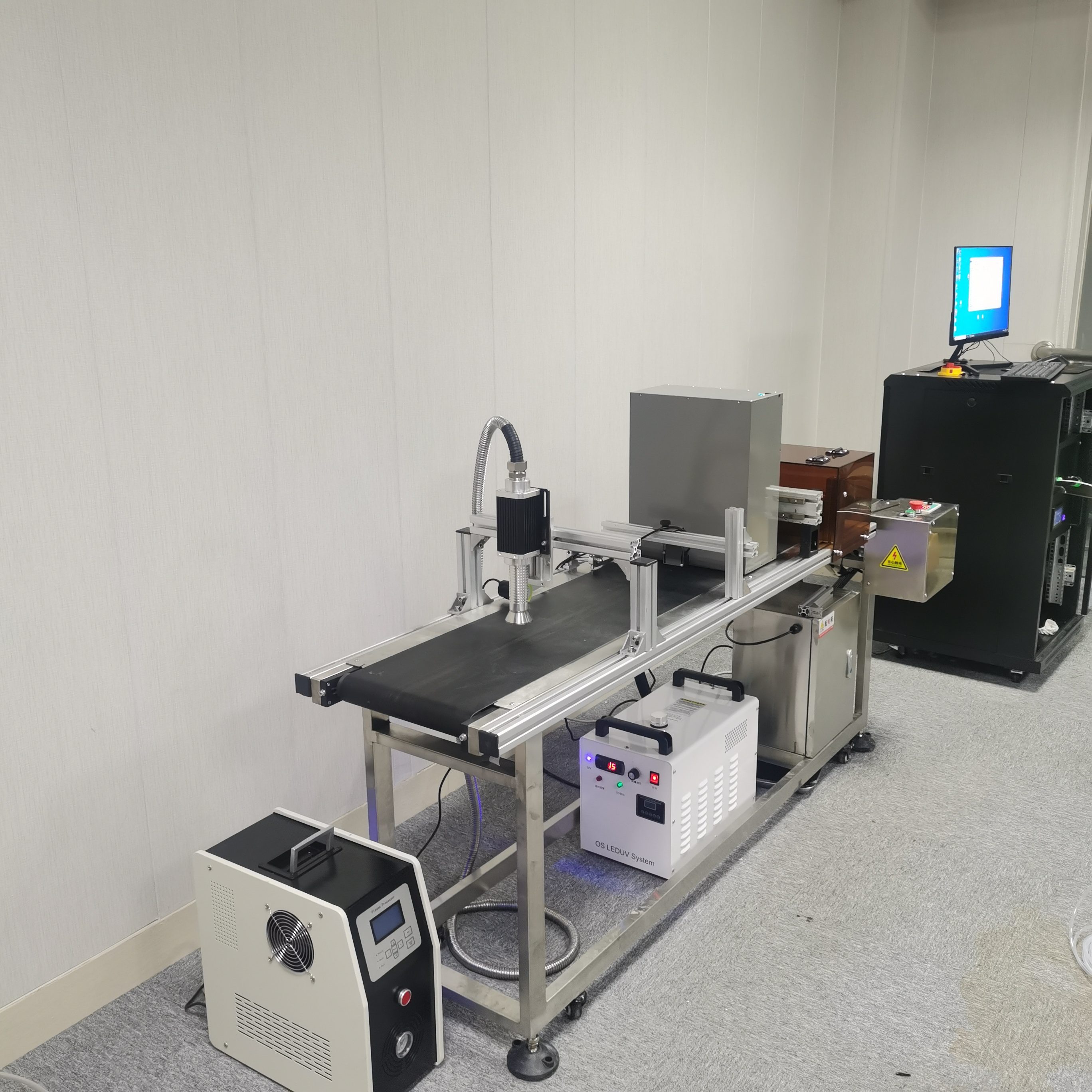
The initial savings from a low-cost marking machine can be deceptive. Many budget models use inferior components that wear out quickly, leading to frequent breakdowns and inconsistent results. What seems like a bargain at the checkout soon reveals hidden expenses—downtime, replacement parts, and the labor hours spent troubleshooting. In precision-dependent industries, even minor engraving errors can scrap entire batches, erasing any upfront cost advantage.
Beyond the obvious repair bills, cheap machines often lack the durability for sustained production. A flimsy frame or subpar motor might handle light use but falter under daily demands, forcing you to compromise on speed or depth. Over time, the cumulative effect of rework, delayed orders, and wasted materials quietly inflates your operational costs far beyond the price of a reliable, mid-range alternative.
Then there’s the support vacuum. Budget vendors rarely invest in responsive service or readily available spares. When the machine goes down, you’re left scouring forums or coaxing temporary fixes from a manual written in broken English. A dependable system, by contrast, comes with clear documentation, knowledgeable help, and the peace of mind that your production line won’t stall indefinitely over a ten-dollar component.
The Unsung Hero of Consistent Logo Quality
Behind every memorable brand stands a logo that never skips a beat. It shows up on a business card, a billboard, an app icon, or embroidered on a shirt—always crisp, always familiar. That kind of reliability doesn’t happen by chance. It’s the result of a quiet discipline: exact color codes, unbreakable spacing rules, and file formats that keep their clarity no matter the size. Designers pour hours into crafting guidelines that most people will never see, ensuring the mark feels at home anywhere without losing its soul. This invisible scaffolding gives audiences the comfort of recognition, time after time.
Consistency isn’t just about duplication—it’s about translation across wildly different canvases. A logo that sings on a high-resolution screen can turn into a muddy mess on a screen-printed tote bag if no one plans for ink spread. Those subtle gradients might vanish on a faxed document. Smart systems adapt without reimagining: simplified lockups, responsive variations, and monochrome versions that still feel unmistakably on-brand. Each version is tested not just for beauty, but for how it holds up under real-world abuse. That behind-the-scenes choreography keeps a brand’s face fresh and recognizable, even when the medium strips away every luxury.
Then comes the part nobody talks about: vigilance. Style guides gather dust without people who enforce them with a light but steady hand. They catch the well-meaning sales rep who stretches the logo “just a bit to fill the space,” or the event organizer who changes the approved green because “it looked dull on the backdrop.” Protecting consistent logo quality means building a culture where everyone understands that small deviations chip away at the trust built over years. It’s the quiet hero that turns a good icon into a timeless emblem, anchoring the brand’s story without ever demanding the spotlight.
How to Gauge True Durability Before Purchase
Don’t just trust the label—look at how the item is put together. Check the seams on clothing or bags: tight, even stitching with no loose threads often signals care in manufacturing. For furniture, wiggle the joints; solid connections without creaking suggest better construction. Materials matter equally, but focus on the real-world feel rather than marketing terms. Press your thumb into a sofa cushion or flex a tool in your hand—anything that quickly recovers or feels substantial under stress tends to last longer.
Weight can be a clue, but context is everything. A heavy cast iron pan is meant to be weighty, while a backpack that strains your shoulders empty might just have poor design, not extra toughness. Pay attention to how things wear at the edges—literally. Examine corners, handles, and high-contact points for reinforcement or early signs of fraying. A zipper that snags in the store or a pair of shoes where the sole already peels slightly away from the upper is giving you a preview of its breaking point.
Ask yourself what “durable” really means for your use. A delicate silk shirt might outlast a synthetic one if you’re willing to hand-wash it, while a “heavy-duty” tool left in the rain will rust regardless. Think about maintenance: items that need little fiddling—no special cleaners, no periodic tightening—often survive the long haul simply because they’re easier to live with. Finally, read the warranty not for the promise, but for what it excludes; that’s where the manufacturer’s real confidence (or lack of it) hides.
The Overlooked Factor That Extends Machine Life
Most maintenance teams focus on lubrication, component quality, and scheduled replacements, yet a quieter threat often goes unnoticed: the cumulative effect of ambient floor vibration. Even when a machine is properly installed, minor tremors from nearby stamping presses, heavy forklift traffic, or even HVAC systems can travel through the foundation. Over time, this constant low-level shaking causes micro-misalignments in rotating shafts and loosens fasteners just enough to accelerate fatigue in bearings and seals.
Addressing this doesn’t require drastic redesigns. Simple isolation pads or vibration-damping mounts beneath critical units can absorb much of the interference before it reaches sensitive parts. Pairing this with a twice-yearly laser alignment check and spot vibration analysis on the pedestal itself often reveals hidden stress patterns. The payoff is measurable: machines that would normally degrade after a few years maintain their precision far longer, simply because a pervasive but overlooked factor was brought under control.
Real-World Tests for Marking Machine Reliability
Putting a marking machine through real-world tests is the only way to know if it can handle daily production stress. Instead of relying on spec sheets, we run units continuously for weeks under conditions that mirror actual shop floors—varying temperatures, humidity, dust, and vibration. This exposes weak points that lab tests miss, like how heat buildup affects marking depth or whether connectors loosen over time. By pushing beyond normal duty cycles, we identify failure points early and refine designs before machines reach customers.
One critical test involves rapid cycling: the machine marks part after part without interruption, simulating high-volume manufacturing. We track consistency across thousands of cycles, measuring every mark against a tight tolerance. If a laser drifts or a dot peen loses impact force, it becomes obvious. Machines that pass this show they can maintain readability and precision without constant recalibration—a key indicator of long-term reliability.
Field feedback also feeds into our testing. When a customer reports an unexpected issue, we recreate it and integrate the scenario into future evaluations. This cycle of learning from actual use cases has taught us that electrical noise from nearby equipment can confound sensors, or that certain substrates demand a wider process window. No amount of lab simulation replaces the chaos of a real production line, and our testing regimen reflects that philosophy.
FAQ
Focus on build quality and components used—sturdy frames and industrial-grade parts handle constant vibration better. Check for documented mean time between failures (MTBF) if available, and ask the vendor for a list of existing clients in your sector. Simple design often means fewer points of failure, so don't overlook machines that avoid overly complex mechanisms.
Laser systems, especially fiber lasers, have minimal wear parts and can run for tens of thousands of hours with little maintenance. Dot peen markers are also tough but may need regular stylus and spring replacements. Inkjet systems, while versatile, demand frequent cleaning and consumable refills. For purely mechanical engraving, spindles and bits wear predictably, so budgeting for replacements is key.
Yes, but it depends on the technology. A good fiber laser can mark metals, some plastics, and coated surfaces with consistent results if power and settings are adjusted properly. For extreme material shifts, you might need interchangeable lenses or tooling. The real test is whether the machine maintains precision and contrast across all your typical substrates without constant recalibration.
Software stability is often overlooked. Clunky or buggy control software leads to unexpected pauses and errors. Look for interfaces that are intuitive and have a track record of seamless integration with your existing workflow. Offline programming capabilities and robust error handling prevent crashes during complex marking sequences, which directly affects uptime.
Don't just take the spec sheet at face value. Request a live demo with your own parts and materials, and observe how the machine handles a batch run. Ask for references you can contact independently, and inquire about the failure rate of hardware components. Also, check forums and user groups—real-world feedback on long-term performance is more revealing than polished testimonials.
Features like automatic cleaning cycles for optics, sealed bearings, and debris extraction systems can make a big difference. Redundant or hot-swappable components, such as backup power supplies and quick-change marking heads, let you swap parts fast. Sensors that monitor component health—like temperature and vibration—provide early warnings before something snaps.
Beyond the warranty period, you want readily available spare parts and technicians who know the machine inside out. Service level agreements (SLAs) that guarantee response times, remote diagnostics capabilities, and local support centers all contribute to minimal downtime. A company that offers comprehensive training for your operators also prevents many user-induced issues.
Conclusion
When investing in logo marking machinery, the true measure of reliability rarely lives on a glossy spec sheet. Many buyers fixate on advertised throughput or power ratings, yet discover that real-world dependability hinges on factors like consistent cycle times under varying loads and minimal drift after thousands of impressions. Cheap, low-cost machines often appear tempting, but their downsides surface quickly—frequent recalibration, unexpected downtime, and flawed marking that damages brand reputation all translate into far greater long-term expense. A reliable system, by contrast, earns its value through predictable performance, sparing you the hidden costs of rework, rejected products, and emergency service calls that erode both margins and customer trust.
The unsung hero behind every crisp, uniform logo is repeatable precision, which emerges from robust construction and clever engineering often overlooked during purchase. To gauge true durability before committing, look beyond marketing claims and ask about bearing design, frame rigidity, and proven mean time between failures verified by real-world usage. One frequently forgotten factor that extends machine life is environmental sealing—protecting sensitive components from dust, moisture, and temperature swings common on production floors. Run demonstration trials that mirror your actual operating conditions: test on your materials, at your expected cadence, and over an extended period. Pay attention to how the machine handles edge cases like material variations or slightly misloaded parts. Such diligent evaluation reveals whether a marking solution will deliver decades of trouble-free service or become yet another maintenance headache.
Contact Us
Contact Person: Jacky
Email: [email protected]
Tel/WhatsApp: 086 15000607053
Website: https://www.danmajet.com