
Sanitary Napkin Production Line Manufacturer: A Guide to Essential Machinery and Packaging Solutions
2026-03-18
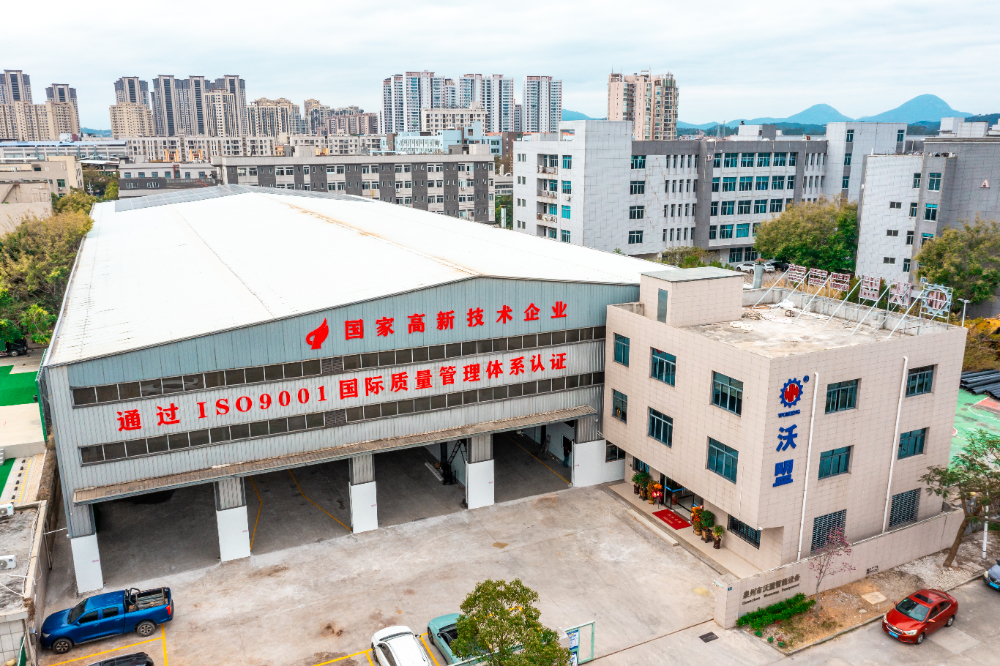
Welcome to the world of sanitary napkin production, where precision and innovation meet to create essential hygiene solutions. As a leading manufacturer in this dynamic industry, Womeng is dedicated to providing cutting-edge machinery and packaging solutions that empower businesses worldwide. In this comprehensive guide, we'll explore the key equipment and packaging strategies vital for efficient production. Whether you're a startup or an established brand, discover how partnering with Womeng can streamline your operations and elevate your product quality. Get ready to dive into the details that will transform your manufacturing process and captivate your audience—let's begin this journey into the heart of sanitary napkin production.
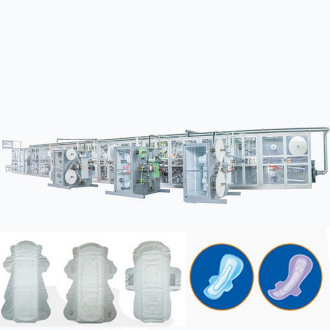
Key machinery for sanitary napkin production lines
In sanitary napkin manufacturing, the core machinery starts with the material feeding and unwinding units, which handle the delicate processing of nonwoven fabric, polymer films, and absorbent materials. These components ensure precise tension control to prevent tearing, while advanced systems incorporate real-time monitoring for consistent quality in high-speed production environments. Without this foundational equipment, the entire line would struggle to maintain the uniformity required for consumer comfort and performance.
Moving through the production line, the forming and bonding machines play a critical role in shaping and securing the layers that make up the sanitary napkin. Technologies like ultrasonic bonding or heat sealing are employed to create leak-proof seams without compromising the softness of the materials. This stage often integrates automated adjustments based on material variations, allowing manufacturers to adapt quickly without compromising on the integrity of the final product, which is essential for meeting diverse market demands.
Finally, the cutting, folding, and packaging machinery completes the process by ensuring each sanitary napkin is neatly trimmed, folded for compactness, and securely sealed in individual wrappers or bulk packages. Innovations in this area include servo-driven cutters for precision and vision systems that detect defects before packaging, helping to reduce waste and enhance reliability. These machines work in tandem to deliver a finished product that not only meets hygiene standards but also appeals to consumers through efficient and sustainable production practices.
Advanced packaging systems for hygiene products
In the bustling hygiene product market, packaging isn't just a wrapper; it's a game-changer. From eco-friendly materials to smart dispensing solutions, advanced systems are transforming how we interact with everyday items like wipes and sanitizers. Imagine a package that alerts you when it's running low, made from compostable plastics that break down in weeks—this isn't futuristic fantasy, but today's reality. By minimizing waste and enhancing user convenience, these innovations are pushing beyond the basics to meet growing consumer demands for sustainability and efficiency.
Beyond environmental benefits, cutting-edge packaging designs prioritize user safety and hygiene. Consider tamper-evident seals that visibly change color if breached, or antimicrobial coatings that keep surfaces germ-free. For healthcare settings, single-use blister packs ensure sterile delivery of medical wipes, while in homes, resealable pouches maintain product freshness. This focus on protective features not only builds trust but also reduces cross-contamination risks, making hygiene products more reliable in diverse environments, from hospitals to busy households.
Looking ahead, the integration of IoT and AI is set to revolutionize hygiene packaging further. Picture smart dispensers that track usage patterns and automatically reorder supplies, or packages embedded with QR codes for instant access to usage tips and ingredients. These systems aren't just about containment; they're creating interactive experiences that educate and engage users. As brands adopt such technologies, they distinguish themselves in a crowded market, offering unprecedented levels of customization and control that resonate with tech-savvy consumers seeking more than just clean hands.
Essential components in napkin manufacturing equipment
These machines often start with a high-speed unwind station where large paper rolls are loaded, feeding the base material smoothly into the production line. Key components here include tension control systems to prevent paper breaks and automated splicing units that allow for continuous operation without downtime, ensuring efficient flow from raw material to finished product.
Moving through the process, embossing and printing sections add texture and designs to the napkins. This stage relies on precision rollers and ink application systems that can handle various patterns and colors, often using flexible anilox rollers for consistent ink transfer. Advanced sensors monitor quality in real-time, catching imperfections before they affect the final output, which helps maintain a uniform appearance across batches.
Finally, cutting and folding units shape the napkins into their standard sizes, with servo-driven knives for clean edges and automated folders that create neat, compact packages. These components are often integrated with counting and stacking systems to prepare napkins for packaging, utilizing innovative mechanisms to minimize waste and maximize throughput, making the equipment adaptable to different napkin styles and market demands.
Innovative solutions for high-speed production lines
When it comes to high-speed production lines, every second counts—and that's where innovative solutions truly shine. By integrating advanced robotics and AI-driven predictive analytics, manufacturers can maintain blistering speeds while slashing downtime. For instance, smart sensors detect potential faults before they escalate, allowing for timely interventions that keep the assembly line humming smoothly. This proactive approach not only boosts efficiency but also reduces waste, making operations lean and agile.
Another game-changer is the use of modular automation systems, which enable quick reconfigurations without halting production. Imagine swapping out components or reprogramming tasks on the fly, all tailored to real-time demand shifts. This flexibility means companies can adapt faster to market changes, whether it's scaling up for a product launch or pivoting to a new design. Coupled with IoT connectivity, these systems provide a seamless flow of data, empowering teams to make informed decisions that drive continuous improvement.
Beyond hardware, software innovations like digital twins offer a virtual playground to test and optimize high-speed processes without risking real-world disruptions. By simulating entire production environments, engineers can fine-tune workflows, identify bottlenecks, and experiment with new techniques safely. This virtual modeling leads to more resilient lines that can handle increased throughput while maintaining quality. Ultimately, these cutting-edge solutions aren't just about going faster—they're about smarter, more sustainable manufacturing that sets industry leaders apart.
Customizable machinery options for diverse product ranges
Tailoring equipment to fit specific manufacturing needs is at the core of our approach. We understand that no two production lines are identical, so our machinery can be adjusted in terms of speed, size, and function to handle everything from small-batch artisanal items to high-volume consumer goods. This flexibility ensures that you can pivot quickly between different product types without sacrificing efficiency or quality.
Beyond basic adjustments, we offer modular components that can be swapped out or upgraded as your product range evolves. Imagine a machine that starts by packaging snacks and later adapts to handle cosmetics simply by changing a few parts. This not only future-proofs your investment but also reduces downtime during transitions, keeping your operations agile in a fast-paced market.
Our customizable solutions are backed by real-world testing across various industries, from food and beverage to electronics. By collaborating closely with clients, we've developed systems that seamlessly integrate with existing workflows, enhancing versatility without overcomplicating processes. This hands-on insight allows us to deliver machinery that truly grows with your business, supporting diverse product lines from conception to shelf.
Quality control and compliance in sanitary product manufacturing
When it comes to making sanitary products like pads and wipes, ensuring quality isn't just a checkbox—it's a core commitment to user safety and trust. Manufacturers dive deep into every step, from sourcing raw materials to the final packaging, rigorously testing for things like absorbency, softness, and durability to meet everyday needs without compromise. Random samples are pulled off the line for checks, making sure each batch feels consistent and reliable in the hands of consumers.
Compliance plays a huge role here, as these products touch sensitive areas of life. Companies must navigate a web of regulations, such as FDA guidelines in the U.S. or EU standards, which set strict limits on materials, labeling, and hygiene. This isn't about red tape; it's about building a shield against risks like allergies or infections, ensuring that every item sold is backed by solid science and legal oversight, giving people peace of mind with every use.
What sets leaders apart is how they weave quality and compliance into their culture. Instead of treating them as separate tasks, they integrate real-time monitoring and employee training to catch issues early, fostering a proactive mindset. By listening to customer feedback and adapting to new health insights, they create products that not only meet standards but genuinely enhance well-being, turning compliance into a competitive edge that speaks directly to care and responsibility.
FAQ
Essential machinery includes a forming machine for core assembly, an absorbent material cutter, and a finishing unit that seals edges and shapes pads for consistency and hygiene.
They use automated packaging systems with airtight seals and moisture barriers, often incorporating sustainable materials like biodegradable films to maintain freshness and reduce environmental impact.
Recent advances include AI-driven quality control for real-time defect detection and energy-efficient drying systems that cut costs while boosting output speed and reliability.
Customization allows manufacturers to adapt to varying product sizes, absorbency levels, and regional preferences, enhancing market competitiveness and meeting diverse consumer needs.
Key features are emergency stop buttons, hygienic non-contact sensors to prevent contamination, and automated waste disposal to uphold strict health standards in the production environment.
They implement predictive maintenance schedules using IoT sensors to monitor wear, coupled with modular designs that enable quick part replacements without halting the entire line.
Conclusion
Sanitary napkin production line manufacturers focus on integrating key machinery and essential components to create efficient manufacturing systems. This includes specialized equipment for core processes like forming, cutting, and assembling, along with advanced packaging systems that ensure hygiene and product integrity. By offering customizable machinery options, manufacturers can adapt to diverse product ranges, from standard to premium lines, meeting varying market demands. Quality control and compliance are integral, with built-in mechanisms to maintain safety standards and regulatory requirements throughout production.
To enhance productivity, innovative solutions for high-speed production lines are increasingly important, incorporating automation and precision engineering. These advancements allow for faster output without compromising on quality, while also supporting sustainability through optimized resource use. Manufacturers blend these elements to provide tailored, reliable systems that help producers streamline operations, reduce costs, and deliver consistent, high-quality hygiene products to consumers worldwide.
Contact Us
Contact Person: Jessie Lai
Email: [email protected]
Tel/WhatsApp: 86-188594442931
Website: https://www.wm-machinery.com