

Silicon Steel in China: The Backbone of Modern Electrical Engineering
2026-04-19
In the heart of China's industrial landscape, silicon steel stands as the unheralded hero of modern electrical engineering, powering everything from household appliances to advanced renewable energy systems. As demand for energy-efficient solutions grows globally, understanding this critical material's role becomes increasingly vital. Enter Jiangsu Baowu New Materials, a pioneering force driving innovation in high-quality silicon steel production, blending cutting-edge technology with decades of expertise. This blog delves into how China's silicon steel industry is shaping the future of electricity, from smart grids to electric vehicles, and why it matters to engineers, environmentalists, and consumers alike. Join us as we explore the magnetic core of progress—and discover what makes this material truly indispensable in today's interconnected world.
China's Silicon Steel: Powering Electrical Innovation
Silicon steel, often called electrical steel, plays a vital role in China's push to revolutionize electrical systems worldwide. With its unique magnetic properties, this specialized material is key to making transformers, motors, and generators more efficient and powerful. As the country ramps up production and innovation, it's setting new standards for energy conservation and performance in everything from household appliances to industrial machinery, driving progress across global electrical networks.
China's focus on advanced manufacturing has led to breakthroughs in silicon steel formulations that reduce core losses and enhance magnetic permeability. By fine-tuning grain structures and alloy compositions, researchers and companies here are creating steels that operate at higher frequencies and temperatures without sacrificing efficiency. These advancements aren't just theoretical—they're being applied in real-world projects, like high-speed rail systems and renewable energy grids, where every watt saved translates to cost savings and environmental benefits.
Looking ahead, the synergy between silicon steel development and emerging technologies like electric vehicles and smart grids positions China as a leader in electrical innovation. By investing in sustainable production methods and cutting-edge R&D, the nation is not only meeting domestic demand but also exporting solutions that empower global electrification efforts. This trajectory suggests a future where electrical devices become quieter, more reliable, and far more energy-efficient, all thanks to the quiet power of optimized silicon steel.
Production Growth: Boosting Global Tech Infrastructure
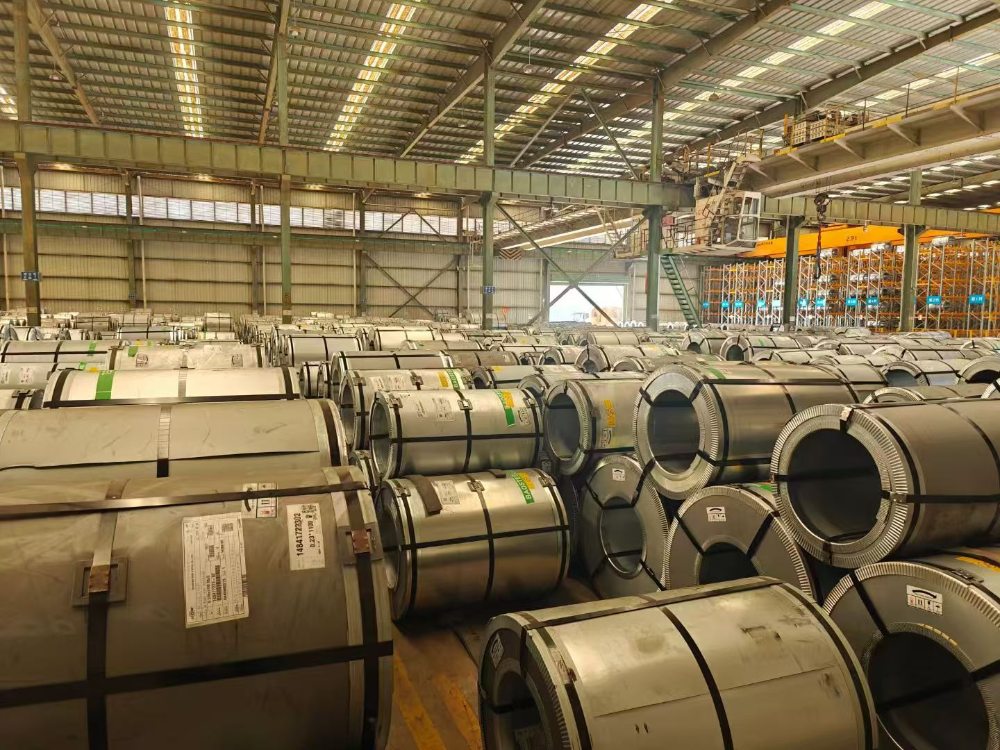
As technology permeates every corner of modern life, the push for increased production capacity isn't just about churning out more devices—it's a strategic overhaul of the global tech framework. From semiconductor fabrication plants expanding in regions previously underserved, to the proliferation of data centers supporting cloud computing and AI, this growth fuels a more interconnected and resilient digital ecosystem. These advancements enable faster deployment of innovations, ensuring that emerging markets can leapfrog traditional infrastructure barriers and access cutting-edge tools that were once out of reach.
The ripple effects of this expansion extend far beyond mere numbers. By enhancing production capabilities, companies can reduce costs and improve supply chain agility, which in turn lowers the barrier for tech adoption worldwide. Think of it as building a more robust backbone for everything from smart cities to remote healthcare solutions, where scalability becomes a reality rather than a distant goal. This isn't just about keeping up with demand—it's about proactively shaping a future where technology serves as a universal catalyst for progress, bridging gaps and fostering collaboration across continents.
What sets this current wave apart is its emphasis on sustainability and inclusivity. Unlike past cycles focused solely on output, today's production growth integrates green technologies and ethical sourcing, ensuring that infrastructure development doesn't come at the expense of the planet or marginalized communities. By prioritizing efficiency and accessibility, we're not only boosting capacity but also crafting a tech landscape that's more adaptable and equitable, ready to tackle tomorrow's challenges with innovation at its core.
Quality Standards: Ensuring Efficiency in Devices
In today's fast-paced world, the efficiency of devices isn't just a luxury—it's a fundamental expectation. Quality standards play a pivotal role in ensuring that gadgets, from smartphones to industrial machinery, operate at their peak performance. By adhering to rigorous testing protocols and industry benchmarks, manufacturers can deliver products that not only meet user needs but also sustain reliability over time, reducing energy waste and enhancing user satisfaction.
Imagine a device that consistently delivers optimal output without hiccups—that's the heart of efficiency driven by quality standards. These guidelines cover everything from material selection to software optimization, ensuring every component works in harmony. For instance, in electronics, standards like ISO 9001 help streamline processes, minimize defects, and boost longevity, which translates to fewer replacements and a smaller environmental footprint.
Ultimately, embracing high-quality standards fosters innovation while keeping inefficiencies at bay. It's about building trust through tangible results: devices that perform seamlessly, conserve resources, and stand the test of time. This commitment not only sets products apart in a crowded market but also supports sustainable practices, making efficiency a cornerstone of modern design.
Innovations Shaping Future Electrical Systems
The landscape of electrical systems is undergoing a profound transformation, driven by a wave of innovations that promise to redefine how we generate, distribute, and consume energy. At the forefront are smart grids, which integrate digital communication technologies to enable real-time monitoring and control, enhancing efficiency and resilience against outages. These systems not only optimize power flow but also seamlessly incorporate renewable sources like solar and wind, paving the way for a more sustainable and decentralized energy future.
Another key trend is the rise of advanced energy storage solutions, such as next-generation batteries and supercapacitors, which are crucial for balancing intermittent renewable energy and ensuring reliable supply. Innovations in materials science, like solid-state batteries, offer higher energy densities and safer operation, while developments in grid-scale storage allow for peak shaving and load management, reducing costs and environmental impact.
Furthermore, the integration of artificial intelligence and IoT devices is revolutionizing electrical systems by enabling predictive maintenance, demand response, and enhanced automation. These technologies allow for smarter decision-making, from optimizing energy usage in homes to managing complex industrial processes, ultimately fostering a more adaptive and intelligent infrastructure that can meet evolving global demands.
Economic Impact: Driving Industry and Trade
The economic footprint of innovations often acts as a catalyst, reshaping entire sectors and bolstering international commerce. By streamlining production processes and introducing new technologies, these advancements not only enhance efficiency but also create ripple effects that stimulate job creation and attract investments. Industries that embrace such changes tend to experience accelerated growth, leading to a more robust and competitive market landscape.
Beyond local benefits, these developments play a pivotal role in global trade dynamics. They facilitate smoother cross-border exchanges by lowering transaction costs and improving logistics, making it easier for businesses to reach international audiences. This interconnectedness fosters partnerships and opens up new avenues for export and import, ultimately contributing to a more interconnected and resilient global economy.
In essence, the economic impact extends far beyond mere numbers, influencing policy decisions and setting the stage for sustainable progress. By driving industry forward and expanding trade networks, it lays the groundwork for long-term prosperity and innovation, ensuring that economies remain agile in the face of evolving challenges.
Challenges and Opportunities in the Steel Sector
The steel sector currently faces a significant challenge in navigating the global push toward decarbonization, as traditional production methods are heavily reliant on carbon-intensive processes. This pressure from environmental regulations and shifting market demands is forcing companies to invest in innovative technologies like hydrogen-based steelmaking and carbon capture, which could fundamentally reshape the industry's landscape in the coming decades.
On the flip side, this transition opens up remarkable opportunities for growth and differentiation, particularly as new infrastructure projects and renewable energy installations drive demand for high-performance, sustainable steel products. Companies that successfully adapt by developing greener alloys or circular economy models, such as recycling scrap steel more efficiently, stand to gain a competitive edge in markets increasingly focused on sustainability.
Moreover, geopolitical shifts and supply chain disruptions present both risks and chances for regional players to strengthen their positions through strategic alliances or localized production. By embracing digitalization and automation, firms can enhance operational resilience and tap into niche markets, turning potential setbacks into avenues for innovation and long-term profitability.
FAQ
Silicon steel, also known as electrical steel, is an iron alloy containing silicon. It's crucial in China's electrical engineering because of its excellent magnetic properties, which reduce energy loss in transformers and motors, supporting the country's growing power infrastructure and efficiency goals.
China's silicon steel industry is a global leader, with some of the largest production volumes. While historically reliant on imports for high-end grades, Chinese manufacturers have rapidly advanced, now competing in technology with top producers in Japan and Europe, especially in oriented and high-efficiency grades.
In China, silicon steel is primarily used in transformers for power grids, electric motors in industries and appliances, and generators. Its role in renewable energy systems, like wind turbines and electric vehicles, is increasingly vital for the nation's green energy transition.
China faces challenges like dependency on imported high-purity iron ore, energy-intensive production processes that raise carbon emission concerns, and the need for continuous innovation to meet stricter efficiency standards amid global competition and sustainability pressures.
Innovation in China has focused on developing thinner gauges, better coating technologies, and advanced production methods like continuous casting to improve magnetic performance and reduce core losses, aligning with demands for higher efficiency in electrical devices and renewable energy applications.
Future trends include increased production of high-grade silicon steel for electric vehicles and smart grids, greater emphasis on sustainable manufacturing practices, and integration with digital technologies like IoT for optimized performance in China's push toward electrification and decarbonization.
Conclusion
China's silicon steel industry stands as a powerful catalyst for electrical innovation, driving advancements that power modern technology. The production growth in this sector has significantly boosted global tech infrastructure, positioning China as a key player in meeting the demands of electrical devices worldwide. By adhering to strict quality standards, Chinese manufacturers ensure efficiency and reliability in everything from transformers to electric motors, laying a solid foundation for sustainable progress. These innovations are actively shaping future electrical systems, making energy distribution smarter and more resilient.
The economic impact of silicon steel extends deeply, fueling industry growth and fostering robust international trade. However, the steel sector faces challenges such as environmental regulations and market volatility, which also present opportunities for technological upgrades and global collaboration. By addressing these hurdles, China's silicon steel can continue to serve as the backbone of modern electrical engineering, promising a future where innovation thrives and global connectivity strengthens.
Contact Us
Contact Person: Zoe Liang
Email: [email protected]
Tel/WhatsApp: 86 189 2128 6299
Website: https://www.baowuchina.com