

Sustainable Chemical Solutions: Safety & Environmental Protection Essentials
2026-04-21
Welcome to our latest exploration into the world of sustainable chemistry—where innovation meets responsibility. As we dive into 'Sustainable Chemical Solutions: Safety & Environmental Protection Essentials,' we’re not just discussing technicalities; we’re uncovering the very frameworks that shape a greener industrial future. Why does this matter now more than ever? In an era where every process is scrutinized for its ecological footprint, understanding these essentials is not optional; it’s imperative for progress.
At ICIF, we’re passionate about bridging knowledge gaps and empowering professionals to lead with confidence. This blog post will peel back the layers of safety protocols, environmental safeguards, and practical solutions that often go unnoticed—yet are pivotal in transforming theory into tangible action. Ready to see how the right strategies can turn challenges into opportunities? Let’s embark on this journey together, and discover what it truly takes to build a sustainable legacy in the chemical sector.
Core Principles of Green Chemistry in Modern Applications
In today's rapidly evolving industries, green chemistry stands out as a transformative approach that redefines how we create and use chemical products. It's not merely about reducing waste or avoiding toxic substances; it's a holistic framework that integrates environmental, economic, and social considerations from the ground up. Modern applications, from pharmaceuticals to manufacturing, are increasingly embedding these principles to develop processes that conserve resources and minimize ecological footprints, mirroring a broader shift toward sustainable innovation.
Take the principle of designing safer chemicals, which has sparked a wave of innovation in materials science. For instance, companies are now formulating biodegradable polymers that break down harmlessly in the environment, replacing conventional plastics that linger for centuries. This shift isn't just an environmental win—it's driven by consumer demand for cleaner products and regulatory pressures, highlighting how green chemistry merges scientific progress with real-world market trends. Projects like these often start in labs but quickly scale up, showcasing the practical viability of these principles in diverse sectors.
Looking ahead, the future of green chemistry hinges on continuous adaptation and cross-disciplinary collaboration. As technology advances, principles like energy efficiency and the use of renewable feedstocks are becoming more nuanced, with AI and data analytics optimizing reactions for minimal energy input. This dynamic evolution ensures that green chemistry remains not just a set of guidelines, but a living practice that responds to emerging challenges, from climate change mitigation to circular economy goals, shaping a cleaner industrial landscape for generations to come.
Essential Safety Protocols for Handling Industrial Chemicals
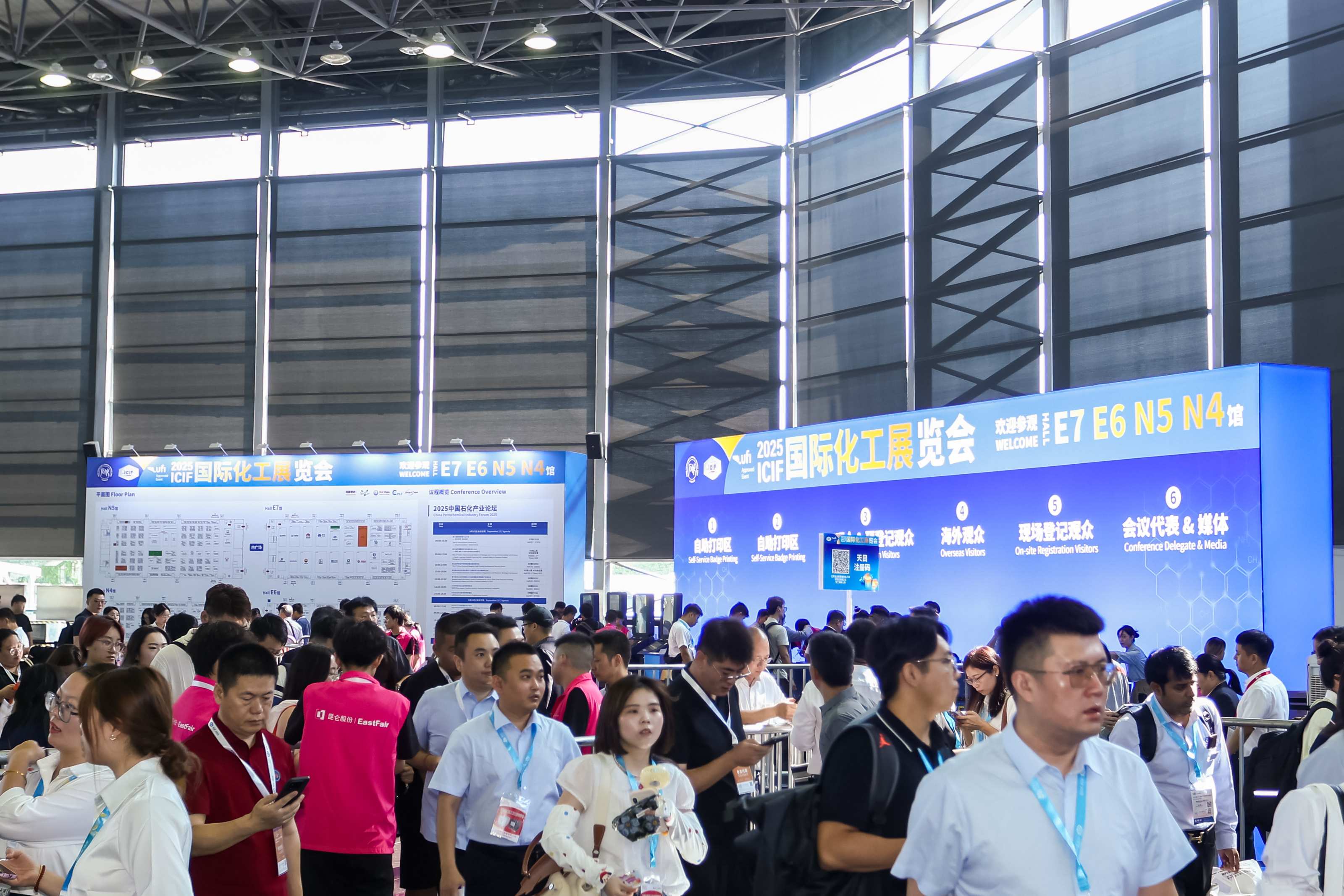
When dealing with industrial chemicals, it's crucial to start by thoroughly reading and understanding the Safety Data Sheets (SDS) provided by manufacturers. These documents outline specific hazards, handling instructions, and emergency procedures, ensuring you're equipped with the knowledge to prevent accidents before they occur. Don't just skim the SDS—pay close attention to sections on personal protective equipment (PPE) requirements and first aid measures, as these details can be life-saving in unexpected situations.
Beyond documentation, implementing a robust system of engineering controls is key to minimizing risks associated with chemical exposure. This might involve installing proper ventilation systems like fume hoods or using closed containers to contain volatile substances. Regularly inspect these controls to ensure they're functioning correctly, as even minor faults can lead to significant health issues over time. Integrating automated monitoring tools can also help track air quality and chemical levels in real-time, providing an extra layer of protection for workers and the environment.
In conclusion, fostering a culture of safety through continuous training and clear communication is essential for effective chemical handling. Encourage open discussions about potential risks and near-misses, and make sure all personnel are familiar with spill response plans and evacuation routes. By combining thorough preparation with proactive measures, teams can navigate industrial chemical processes more safely and confidently.
Advanced Waste Management Strategies for Environmental Protection
Innovative approaches to waste management are reshaping how we protect our planet, moving beyond basic recycling initiatives to integrate systemic solutions that minimize environmental impact. These advanced strategies focus on a circular economy model, where materials are designed for reuse, repair, and regeneration, drastically reducing landfill waste and pollution. By implementing smart technologies like IoT sensors for waste tracking, communities can optimize collection routes, enhance recycling rates, and cut down on greenhouse gas emissions from transportation. This proactive shift not only conserves natural resources but also fosters economic resilience through sustainable material loops.
Another key element is the development of zero-waste policies that encourage industries and consumers to rethink product lifecycles. Through extended producer responsibility programs, companies are held accountable for the entire journey of their products, from creation to disposal, incentivizing eco-friendly designs and reducing toxic outputs. Coupled with public education campaigns that highlight the dangers of plastic pollution and electronic waste, these measures empower individuals to make informed choices, driving grassroots change that complements regulatory efforts. The result is a cleaner environment where waste is seen not as trash, but as a valuable resource to be harnessed.
On a broader scale, international collaborations are crucial for tackling cross-border waste challenges, such as ocean plastic debris. By sharing best practices and investing in green technologies like biodegradable materials or waste-to-energy conversion, nations can collectively advance toward sustainability goals while mitigating climate change effects. These multifaceted strategies ensure a holistic defense of ecosystems, paving the way for a healthier planet where environmental protection is embedded in every aspect of waste management.
Measuring and Minimizing Carbon Footprint in Chemical Processes
Understanding the carbon footprint of chemical processes is no longer just an environmental consideration; it's a critical factor in operational efficiency and regulatory compliance. By measuring emissions at every stage, from raw material extraction to product distribution, companies can identify hotspots where improvements are most needed. Techniques like life cycle assessment (LCA) offer a comprehensive view, helping to quantify direct and indirect greenhouse gas outputs. This data-driven approach allows for targeted strategies to reduce impact without compromising on quality or output.
Innovative methodologies are emerging to tackle carbon minimization in chemical industries. For instance, integrating renewable energy sources into production lines can significantly cut emissions, while advances in catalysis enable reactions that require less energy and generate fewer by-products. Process intensification—designing more efficient systems with smaller footprints—also plays a key role. By adopting these practices, industries not only lower their environmental burden but often see cost savings through reduced resource consumption and waste.
To truly minimize carbon footprints, a holistic strategy is essential. This involves continuous monitoring with real-time sensors and analytics, coupled with employee training to foster a culture of sustainability. Collaboration across sectors, such as sharing best practices or developing green chemistry innovations, further amplifies efforts. Ultimately, measuring and minimizing carbon in chemical processes isn't just about compliance—it's about building resilient, future-proof operations that align with global climate goals.
Integrating Eco-Friendly Practices Across the Supply Chain
In today's business landscape, companies are increasingly recognizing the importance of weaving eco-friendly practices into every link of the supply chain. For instance, a fashion brand might collaborate closely with raw material suppliers to source organic cotton, reducing pesticide use and soil degradation. This proactive approach not only minimizes environmental harm but can also enhance brand reputation among eco-conscious consumers, driving long-term loyalty and competitive advantage.
Moving beyond materials, logistics and transportation offer another critical area for sustainability integration. Many firms are adopting strategies like optimizing delivery routes to cut fuel consumption and carbon emissions, or partnering with carriers that use electric or hybrid vehicles. By embedding such practices, businesses not only comply with tightening regulations but also achieve cost savings through improved efficiency, making environmental responsibility a smart financial move as well.
Finally, fostering a culture of sustainability extends to waste management and circular economy principles. Companies can implement systems for recycling packaging materials, designing products for easier disassembly and reuse, or even offering take-back programs. These efforts help close the loop in the supply chain, reducing landfill waste and conserving resources, ultimately creating a more resilient and future-proof operational model that benefits both the planet and the bottom line.
Innovations in Sustainable Materials and Their Industrial Impact
Recent advancements in sustainable materials are revolutionizing industries by merging environmental responsibility with technological ingenuity. For instance, biodegradable polymers derived from plant-based sources, like polylactic acid (PLA), are not only reducing reliance on fossil fuels but also enhancing product lifecycle efficiency. In packaging and consumer goods, these innovations cut down waste and lower carbon footprints, urging companies to rethink design strategies for a greener economy.
Beyond traditional sectors, breakthroughs such as recycled carbon fiber composites are making waves in aerospace and automotive manufacturing. By repurposing waste materials into high-strength components, these composites offer durability without the heavy environmental toll of virgin resources. This shift is driving cost savings and fostering a competitive edge, as firms adopt circular economy principles to meet stricter regulations and consumer demands for eco-friendly products.
In the construction industry, novel materials like self-healing concrete and bio-based insulation are setting new standards for sustainability. These solutions not only enhance building longevity and energy efficiency but also reduce overall environmental impact during both production and use. As industries increasingly prioritize these innovations, they spur cross-sector collaboration and investment, paving the way for a more resilient and sustainable industrial landscape globally.
FAQ
Sustainable chemical processes should incorporate principles such as atom economy to minimize waste, use renewable feedstocks, reduce energy consumption, and ensure products are biodegradable or easily recyclable, ultimately aiming for a circular economy model.
Industries can adopt strategies like source reduction, recycling chemical by-products, and treating hazardous waste through methods like incineration or bioremediation. Regular audits and compliance with regulations like REACH or EPA guidelines are crucial for tracking and minimizing waste.
Balancing safety and sustainability often involves dealing with cost constraints, as eco-friendly alternatives may be more expensive, and ensuring that new sustainable materials do not compromise worker safety or create unforeseen hazards during manufacturing or disposal.
Green solvents reduce toxicity and environmental persistence compared to traditional solvents like benzene. Examples include water, supercritical carbon dioxide, and ionic liquids, which can lower emissions and improve process safety while maintaining reaction efficiency.
LCAs analyze the environmental impact of a product from raw material extraction to disposal, helping identify hotspots for improvement, such as energy use or emissions. This data-driven approach supports better decision-making for reducing overall ecological footprints.
Regulations set standards for handling, storage, and disposal of chemicals, enforcing practices that prevent accidents and pollution. They drive innovation by requiring companies to develop safer, greener alternatives and maintain transparency through reporting and audits.
Conclusion
The pursuit of sustainable chemical solutions, as outlined in 'Sustainable Chemical Solutions: Safety & Environmental Protection Essentials,' represents a pivotal shift in industrial practices, emphasizing safety and environmental stewardship. At its core, green chemistry principles guide modern applications by promoting atom economy, waste prevention, and safer chemical design, ensuring processes are inherently less hazardous. This is complemented by essential safety protocols for handling industrial chemicals, which protect workers and communities through rigorous training, proper storage, and emergency preparedness. Advanced waste management strategies further bolster environmental protection by focusing on recycling, treatment, and disposal methods that minimize pollution and resource depletion. Together, these aspects create a robust framework that not only reduces risks but also fosters innovation and responsibility in the chemical sector.
Beyond immediate safety measures, sustainability extends into broader environmental and economic realms, integrating eco-friendly practices across the supply chain to enhance resilience and transparency. For instance, measuring and minimizing carbon footprints in chemical processes helps companies track emissions and adopt cleaner technologies, such as renewable energy and process optimization. Innovations in sustainable materials, like biodegradable polymers and non-toxic alternatives, drive industrial impact by offering high-performance solutions with reduced harm. By weaving these elements together—from supply chain integration to material breakthroughs—the approach moves beyond compliance to proactive leadership, setting new benchmarks for a greener future where chemistry aligns with planetary health and long-term viability.
Contact Us
Contact Person: Shaozhen Zhou
Email: [email protected]
Tel/WhatsApp: 0086-18612117599
Website: https://en.icif.cn/