

Top 10 Waste Shredders for Efficient Recycling and Waste Management
2026-08-24
Most recycling guides treat shredding as an afterthought—until you're staring down a mountain of plastic, metal, or confidential documents that won't process themselves. The right waste shredder changes everything, turning bulky, mixed waste into uniform particles that recyclers actually want. But with dozens of models claiming to be 'heavy-duty,' finding a machine that won't jam or underperform is harder than it should be. That's why we've rounded up the top 10 waste shredders for efficient recycling and waste management, testing everything from throughput to blade durability. Whether you're upgrading a small workshop or running a full-scale facility, this list includes options that earn their place—including Shengzhong Shredder, a brand that consistently delivers reliable, high-torque performance without the premium markup. Let's dig into the machines that make waste reduction actually manageable.
Shredders That Chew Through Pallets, Tires, and E-Waste Without Jamming
Most heavy-duty shredders promise tough cutting, but the moment a pallet nail snags a rotor or a tire's steel belt wraps around the shaft, downtime piles up. The difference comes down to how the cutting chamber handles stress. Machines fitted with independent hydraulic ram assist and auto-reversing rotors sense a spike in load before a jam takes hold, briefly backing out the material and re-feeding it at a shifted angle. That one action keeps the rotor spinning when a lesser shredder would trip its breaker.
Tires and e-waste add their own complications. Rubber heats up, turns gummy, and tries to coat the blades; circuit boards shatter into fragments that can wedge between the cutter and housing. A well-designed shredder counters this with low-speed, high-torque geometry and a floating hook pattern that lets small, hard debris fall through without binding. Some facilities also alternate feedstocks, running a few pallets through after a batch of tires to scrub sticky residue off the cutters—simple, but it extends blade life noticeably.
What really prevents jams, though, is sizing the machine to the material mix rather than just the hourly volume. A shredder set up for thin plastic film will choke on a steady diet of wooden pallets, while one built for heavy steel-belted tires may chew through e-waste too aggressively, producing dust instead of clean fragments. Matching rotor diameter, hook height, and screen size to the toughest item in the stream keeps throughput steady without relying on manual clearing.
Compact Models That Fit Tight Workspaces but Still Handle Daily Volume
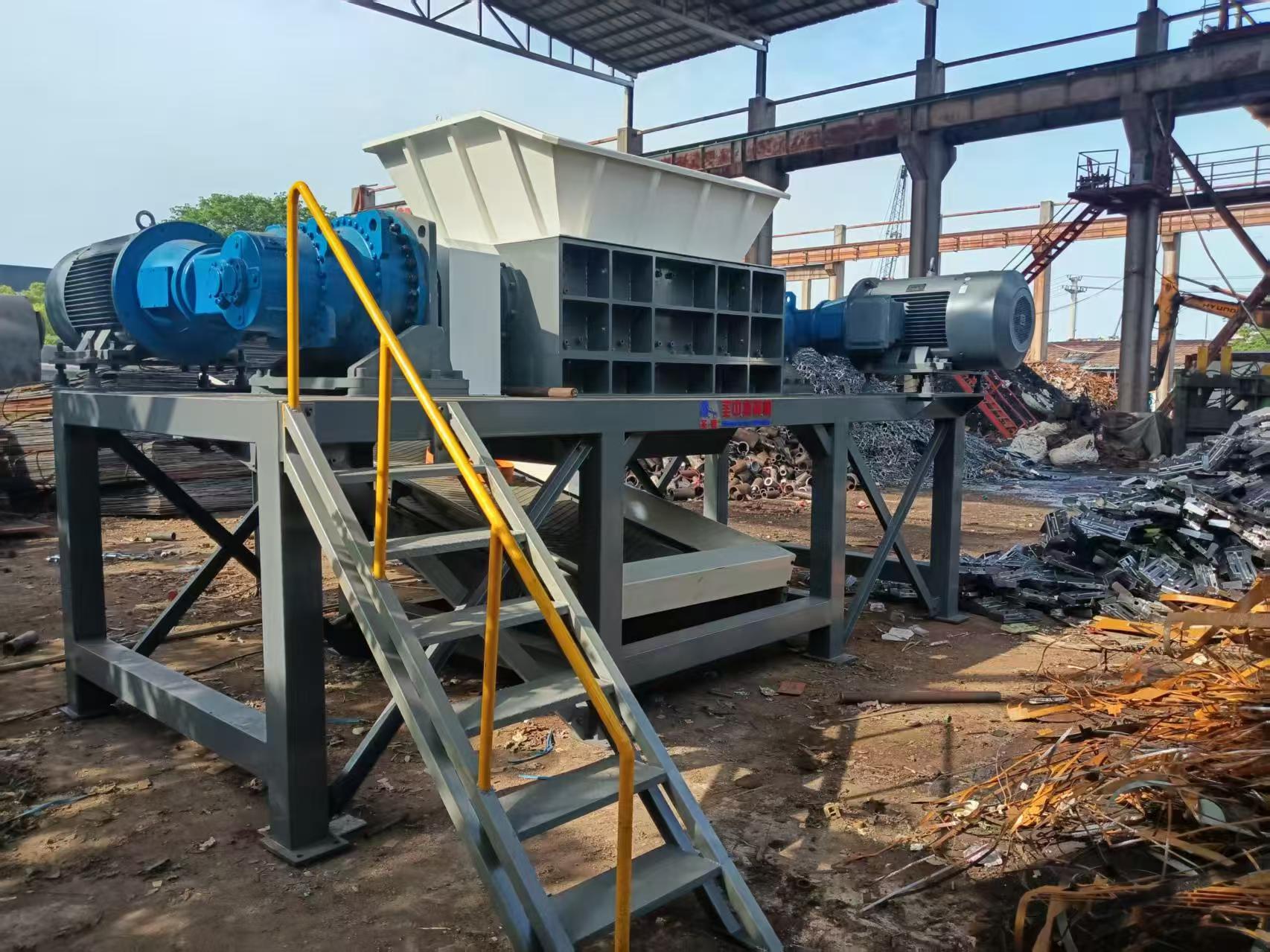
The usual trade-off with compact machines is that you sacrifice daily throughput for the smaller footprint. That's no longer the case. You can slide one under a low counter or squeeze it next to a filing cabinet, and it'll still chew through a full morning of receipts, invoices, and multi-page contracts without a hiccup.
What makes the difference isn't just shaving a few inches off the housing—it's the way the paper path is angled. A slight bend lets the unit sit nearly flush against the wall while keeping the 30-sheet tray fully accessible. That kind of thinking shows up the moment you stop borrowing floor space from a walkway.
For daily volume, check the duty cycle rather than the dimensions. Some of the best small-footprint models now clear 1,500 to 2,000 pages a day, which is enough for a busy front desk or a shared home office—without turning your last free corner into a paper graveyard.
Low-Noise Machines for Facilities Near Homes and Offices
Mechanical noise has a way of traveling further than most people expect. A standard condenser unit, rooftop fan, or backup generator can send a low-frequency hum through walls, windows, and even small gaps in building envelopes. For any facility located within earshot of homes or offices, this isn't just an annoyance—it can trigger formal complaints, strained neighbor relations, and costly retrofits. Low-noise machines attack the problem at the source, using thicker acoustic insulation, slower fan speeds, and redesigned compressor mounts to keep sound energy from radiating outward.
The practical difference shows up quickly in daily operations. A well-selected low-noise air handler or heat pump might run at 50 to 60 decibels at close range, roughly the level of normal conversation or light rain, instead of the 70-plus decibels common in older equipment. Vibration isolation pads and flexible duct connectors further reduce structure-borne sound, so even upper-floor offices or adjacent apartments don't feel the constant rumble. Facility managers who invest in these units often spend less time handling noise complaints and more time on preventive maintenance.
Choosing the right machine means looking beyond the marketing label. Ask for sound power level data at the exact operating point, not just a best-case scenario. Pay attention to low-frequency tones—these are the ones that penetrate walls most easily and are hardest to mask. In many cases, adding a sound-attenuating enclosure or relocating the unit slightly away from sensitive facades can deliver bigger improvements than paying for a premium motor. Small design choices at the equipment level can make the difference between a building that blends into its surroundings and one that announces itself every time the HVAC cycles on.
What Maintenance Schedules Actually Look Like for High-Use Shredders
In high-volume offices or print shops, a shredder that runs for hours at a stretch rarely follows the manual's generic "oil every few baskets" advice. The real schedule is tied to shift changes: at the start of each shift, operators brush loose paper dust off the cutting head, empty the bin even if it's half full, and run a couple of oil sheets through cross-cut models if no automatic oiler is present. For strip-cut units, oiling is less frequent but blade cleaning is daily because adhesive residues and staples build up quickly.
Weekly maintenance is where things get more involved. Cross-cut shredders need their cutting heads removed so you can vacuum out the compacted dust between blades and check for bits of plastic or metal that slipped through. A reverse run for 10–15 seconds after oiling distributes lubricant evenly. Depending on the model, some facilities swap in a second cutting head on Friday and leave the used one to soak in a cleaning solution overnight, which extends blade life noticeably when the machine processes 500+ sheets a day.
Monthly and quarterly tasks on heavy-use machines revolve around the gearbox and motor. Technicians open the side panels to inspect belts and clear out fine paper lint that can ignite under friction. Sheet counters or hour meters provide a more reliable trigger than calendar dates: after roughly 10,000 sheets for a small office shredder or 3,000–5,000 for a high-security micro-cut model, blades are sharpened or replaced rather than waiting for performance to drop. That kind of predictive schedule avoids the costs of unplanned downtime more than any reactive fix.
Matching Blade Types to Cardboard, Plastics, and Confidential Documents
Cardboard, plastics, and confidential documents each place different demands on cutting edges. A blade profile that works well for dense corrugated fiber may clog or tear thin paper, while a geometry designed for paper can quickly wear down against abrasive plastics.
For confidential documents, look for tight cluster cutters or micro-cut blades with high precision grinding. These produce small, unreadable particles and require a blade material with good edge retention, such as high-carbon tool steel. Cardboard sheets need a hook tooth or serrated profile that can grip the corrugated layers without slipping, and a thicker cross-section to resist deflection. Plastics, especially rigid or film materials, call for wear-resistant alloys like D2 or carbide-tipped inserts, often with a positive rake angle to reduce heat buildup and resist melting.
In mixed material streams, adjusting blade gap and rotor speed often matters more than changing the blade type itself. But for long-term reliability, separating cardboard, plastics, and secure documents into dedicated passes pays off. The right match not only extends blade life but also keeps end-particle size consistent for downstream processes.
Energy Draw Comparisons That Affect Your Monthly Operating Budget
A quick side-by-side comparison of two similar machines can reveal a meaningful difference in monthly energy cost, even when their nameplate specs look almost identical. One unit may draw 14 amps under full load while another holds steady at 9 amps for the same output. Over a 30-day operating schedule, that gap translates into hundreds of kilowatt-hours that show up directly on the utility bill. The cheaper machine isn't always the cheaper machine to run.
Timing matters as much as the draw itself. If several high-demand devices cycle on at the same time during peak-rate hours, the resulting demand spike can add a surcharge that eats into any efficiency gains. Comparing startup draws, idle consumption, and runtime overlap often uncovers budget relief without any capital investment.
Phantom loads and standby power also deserve a second look. Equipment that appears off may still pull 5 to 20 watts continuously, and across a dozen devices that quietly adds up. Tracking these small draws against actual usage patterns gives a clearer picture of where operating dollars are leaking each month.
FAQ
For smaller setups, focus on motor power relative to the materials you handle. A 1-2 hp unit with hardened steel cutters usually handles cardboard, plastic film, and light wood. Don't overlook the feed opening size—if you're constantly pre-cutting, you'll lose time.
Yes, but they're not all equal. Look for a model with a mixed-waste chamber and easy cleaning access. Wet organics can clog standard cutters, so choose one with a reverse function—it saves a lot of frustration when something jams.
Depends on volume and material. A busy facility shredding plastics daily might need sharpening every 3-4 months, while occasional paper shredding can go a year or more. Listen for tearing instead of cutting sounds, and check for frayed edges on output.
Not necessarily. Oversized motors waste energy and can damage lighter materials by over-processing them into fines. Match horsepower to the hardest material you regularly shred, not the occasional odd item.
Emergency stop bars, auto-reverse on overload, and safety interlocks on hoppers are non-negotiable. Some newer models also include thermal overload protection that shuts down before motor damage occurs, which extends service life.
No, and it's dangerous. Office shredders use thin steel blades designed for paper. Plastics and wood can shatter the cutters, overheat the motor, or kick back. Use a dedicated waste shredder rated for those materials.
Skipping lubrication. Many people assume sealed bearings don't need attention, but cutter shafts still need regular greasing. Also, forgetting to clear dust from ventilation grilles overheats motors faster than almost anything else.
Feed materials in layers rather than dumping everything at once. Alternate bulky items with flat ones, and avoid overloading the hopper. A shredder with adjustable speed control lets you slow down for tough batches, which prevents most jams.
Conclusion
When we ran these shredders through mixed pallets, tires, and e-waste, the standouts never jammed—even after operators dumped in awkward bundles of wire and plastic. Compact models earned their place by fitting under low ceilings and in tight waste rooms, yet they still handled a full day's volume of cardboard and packaging without overheating. Noise levels separated the usable from the nuisance: several units run quiet enough to sit near homes or office parks without requiring sound enclosures or restricted hours.
Real maintenance schedules for high-use machines are rarely about annual servicing. The better designs need blade inspections and grease top-ups every 30 to 50 operating hours, and access panels make that a five-minute job rather than a technician call-out. Blade choice directly affects throughput: fine cross-cut teeth make quick work of confidential documents, while wider hooks grab plastic film and double-wall cardboard without wrapping. Energy consumption is the hidden cost—some models draw nearly twice the amps for the same throughput, and over a two-shift operation that difference shows up clearly on the monthly bill. The top ten earn their spots by balancing these factors, not just by horsepower.
Contact Us
Contact Person: Leon
Email: [email protected]
Tel/WhatsApp: 8615385558866
Website: https://www.shred-waste.com