

Top Brewing Equipment for Exceptional Home Brews
2026-08-09
Turning your kitchen into a personal brewery starts with the right tools. Whether you're chasing the perfect pour-over or experimenting with cold brew, the equipment you choose shapes every sip. At DYE, we understand that great taste is crafted, not accidental. This guide cuts through the noise to spotlight the gear that elevates home brewing from a routine to a ritual.
Gear That Makes Brewing Less of a Chore
A good electric grinder with dose control can save you from the morning mess of measuring and sweeping. Instead of fiddling with scoops and scales, you press a button and get exactly the right amount, every single time. It's one less thing to think about before you've even had your first sip.
If you're tired of babysitting a kettle, a variable‑temperature gooseneck model is a quiet game changer. It holds your set temp, pours in a steady, slow stream, and turns the fussy parts of pour‑over into background ritual. No more guessing or waiting for the boil to settle.
For the daily clean‑up, an auto‑cleaning drip maker or a simple immersion brewer with minimal parts can cut your sink time in half. Look for designs where the basket, carafe, and filter all come apart without a fight. Less scrubbing, more coffee.
Temperature Control: The Silent Hero of Every Batch
It’s easy to overlook, but temperature is the quiet force that shapes every brew, ferment, or bake. Too hot, and you scorch delicate flavors; too cold, and reactions drag their feet, leaving you with something flat and lifeless. Nailing the right range isn’t just about following a recipe—it’s about understanding how heat coaxes out complexity, whether you’re extracting the perfect espresso or letting dough rise overnight.
Many home cooks obsess over timers and measurements while their oven drifts ten degrees off, never realizing that precision here could be the missing link. A few degrees can mean the difference between a crackly cookie and a pale disappointment, or a yogurt that sets like silk versus one that weeps whey. Investing in a reliable thermometer, learning your equipment’s quirks, and keeping an eye on ambient conditions turns guesswork into repeatable magic.
Beyond the basics, there’s a whole world where temperature control becomes an art. Slow-roasting meats until collagen melts into tenderness, tempering chocolate so it snaps just right, or guiding a sourdough starter through seasonal shifts—each demands a feel for heat that goes beyond numbers. It’s the unsung detail that separates good enough from truly memorable.
Fermentation Vessels That Let Your Beer Shine
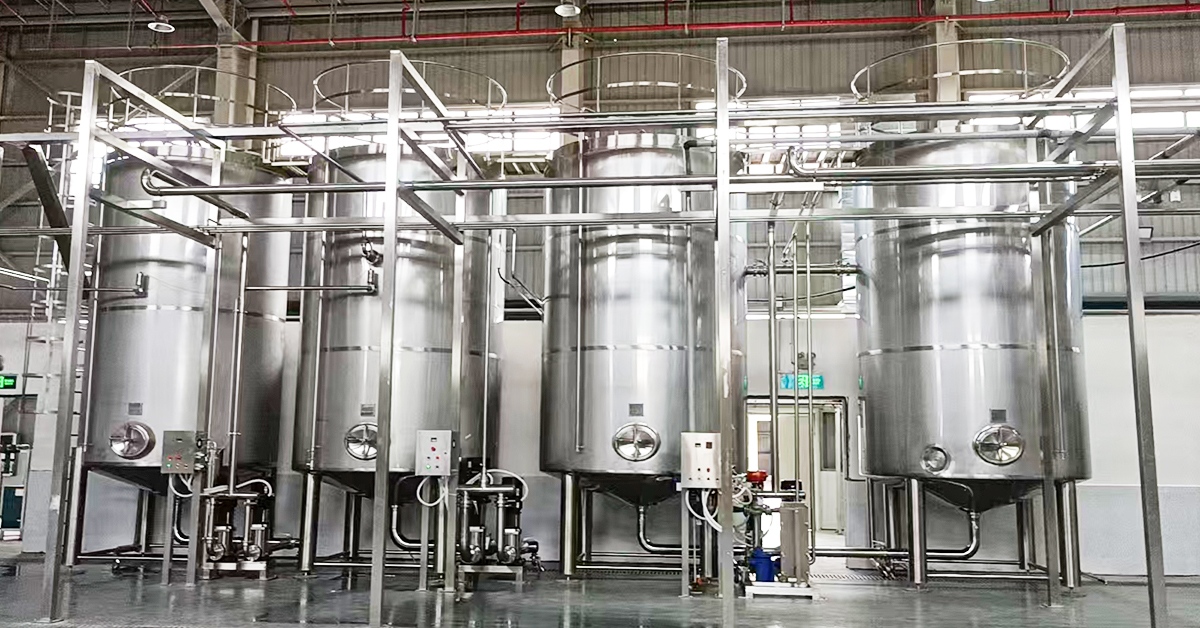
Choosing the right fermentation vessel is one of those quiet decisions that can dramatically lift the character of your brew. A well-crafted stainless steel unit, for instance, shrugs off scratches where bacteria might hide, preserving the pure flavors you worked so hard to develop. Meanwhile, its smooth, curved bottom encourages yeast to swirl gently rather than slump into a compacted layer, helping that secondary fermentation do its magic without off-tastes. It’s the kind of detail that separates a forgettable pint from something that lingers on the palate.
Glass carboys bring their own kind of transparency to the process—literally. Watching the slow churn of wort becoming beer is not just mesmerizing; it gives you a window into the health of your fermentation. You can spot a sluggish start or an overenthusiastic krausen at a glance, letting you tweak temperature or rouse the yeast before problems settle in. And because glass is essentially non-porous, there’s no subtle exchange of oxygen or aromas that can soften the edges of a hop-forward IPA or a crisp lager. Every nuance you intended ends up in the glass, not lost to the vessel walls.
For those who lean toward tradition, open fermentation might seem like a romantic throwback, but it’s still a tool with purpose. A wide, shallow vessel exposes a large surface area to the air, encouraging the rapid growth of top-cropping yeast strains that produce distinctively fruity esters. In styles like hefeweizen or certain British ales, that subtle exposure shapes a profile that closed systems struggle to replicate. Paired with careful sanitation, it reminds you that modern brewing respects history without being bound by it, giving your beer a voice that’s equal parts science and soul.
Little Tools, Big Impact on Your Final Pour
A flawless pour isn't just about skill—it's often the small, overlooked gadgets that make the real difference. Think of the humble milk frothing thermometer: sticking it to your pitcher might seem trivial, but that tiny clip ensures you hit the sweet spot for microfoam every time, eliminating guesswork and rescuing your latte art from soupy disasters.
Then there's the distribution tool, a palm-sized wonder that levels your coffee bed with a few gentle spins. Without it, even a top-tier grinder can leave you with uneven extraction, channeling, and a bitter finish. These little helpers don't scream for attention, but they quietly elevate your routine from amateur to precision, turning a good shot into an exceptional one.
Don't discount the simple knock box, either. A well-designed one saves your countertops from splatter and your portafilter from clumsy banging. It’s these understated companions—alongside a precision scale that fits under your cup—that streamline your workflow, reduce waste, and let you focus on what truly matters: the taste in your cup.
The Cleaning Arsenal: Because Stale Residue Kills Dreams
You can’t build a masterpiece on a crusty canvas. Stale residue doesn’t just look grim—it forms a stubborn barrier between your tools and their potential. We’re talking ghostly fingerprints of last month’s project, the faint whiff of “what even was that?” lurking in the bristles. It’s not just dirt; it’s the silent killer of precision, dragging every stroke toward mediocrity.
Enter the arsenal: the elbow grease, the solvents, the weird little brushes most people overlook. This isn’t about grabbing the first spray bottle under the sink. It’s about knowing which gunk dissolves under alcohol and which demands a citrus-based obliterator. It’s about having a microfiber cloth that’s seen horrors and a scraper you’ve named. These aren’t just cleaning supplies—they’re the resurrection kit for your next big idea.
Leave residue to its own devices and it grows a personality. It gets comfortable. Soon your workspace starts to feel like a museum of abandoned half-attempts, each stained rag a small surrender. But a clean surface? That’s a dare. It’s an invitation to ruin it with something brilliant, knowing you’ve got the tools to bring it back to zero again. Dreams don’t die from lack of ambition—they suffocate under layers of “I’ll clean it later.”
When You’re Ready to Go Pro: Advanced Equipment Worth the Splurge
Stepping up to professional-grade gear isn't just about spending more money—it's about unlocking capabilities that truly elevate your work. When you're ready to make the leap, a high-resolution camera with a full-frame sensor is often the first big investment. It's not just the megapixels; it's the dynamic range, the low-light performance, and the flexibility in post that turn a good image into a great one. Pair it with a fast, sharp lens, and you'll notice the difference immediately in the clarity and depth of your shots.
Audio is another area where the splurge pays off in spades. A reliable wireless lavalier system or a shotgun mic with a dedicated recorder will make your videos sound as professional as they look. Audiences are far more forgiving of visual imperfections than bad audio, so upgrading from built-in mics to a proper setup can transform your production quality overnight. Consider also investing in a solid tripod with a fluid head for smooth pans—wobbly footage screams amateur, no matter how expensive your camera is.
Don't overlook the power of light. Pro-level LEDs with adjustable color temperature and high CRI can replace bulky, hot traditional lights and give you precise control over your scene's mood. They're portable, durable, and consistent, which is essential when you're working on varied projects. These tools aren't just purchases; they're investments in your creative future, enabling you to take on bigger clients and deliver results that stand out in a crowded field.
FAQ
A high-quality stainless steel conical fermenter is a game-changer. It allows you to control fermentation temperature precisely, dump trub and harvest yeast easily, and minimizes oxidation. The result is cleaner, more professional-tasting beer with every batch.
Starting with extract is perfectly fine, but if you're serious about flavor control and recipe creativity, moving to all-grain is a revelation. A simple cooler mash tun and a large brew kettle give you the freedom to experiment with grains and mash profiles. It deepens your understanding and sets the stage for truly exceptional brews.
A wort chiller, especially an immersion or counterflow model, drastically reduces cooling time, which is critical for clarity and reducing contamination risk. Rapid cooling helps achieve a good cold break and locks in hop flavors. Once you use one, you'll wonder why you ever struggled with ice baths.
It's surprisingly vital. Freshly crushed grains retain more aroma and potential. A good mill lets you adjust the crush for better efficiency and sparging, avoiding stuck mashes while maximizing sugar extraction. It's one of those upgrades that pays for itself over time through better efficiency and fresher ingredients.
A kegging system. It eliminates the mess of bottling and the unpredictability of bottle carbonation. With a CO2 tank, regulator, and a corny keg, you can force carbonate to exact volumes and enjoy draft-quality beer at home. Plus, it speeds up the turnaround from fermentation to glass.
A basic pot works, but a dedicated brew kettle with a spigot, volume markings, and a thick tri-clad bottom simplifies your day immensely. It prevents scorching, makes transferring and measuring easier, and often includes features for whirlpooling. It's a one-time buy that elevates every brew session.
A temperature-controlled fermentation chamber—like a used chest freezer paired with an external thermostat—is incredibly effective. Even a simple insulated jacket and a heating pad can make a huge difference. Yeast thrives on stability, and controlling that variable will dramatically improve the repeatability and taste of your beer.
If you want to move from good to exceptional, yes. Mash pH profoundly affects enzyme activity and flavor extraction. A decent pH meter allows you to adjust water chemistry precisely, leading to clearer beer, better head retention, and a more balanced taste. It's a small tool with a big impact on controlling the brewing process.
Conclusion
Starting with the basics, the right gear turns brewing from a weekend slog into a smooth, repeatable process. A quality burner or electric system brings water to temperature quickly and holds it steady, sparing you hours of hovering. But the real unsung champion is precise temperature control—whether it’s a fermentation chamber, a simple temp controller for a spare fridge, or even a well-insulated mash tun, keeping your yeast happy at their ideal range prevents off-flavors before they start. Pair that with a thoughtfully chosen fermenter, and you’re setting the stage for clarity and character. Conical fermenters, for instance, make yeast harvesting and trub removal effortless, while wide-mouth glass or PET carboys ease dry-hopping and cleaning, letting your recipe’s personality come through without interference.
Once the beer is ready to package, a handful of smaller tools elevate your pour from good to memorable. A reliable auto-siphon and spring-loaded bottle filler minimize oxygen exposure and spills, while a refractometer or hydrometer give you the data to dial in consistency. But all the best gear falls short if it isn’t spotless—cleanliness is literally where good beers go to live or die. A dedicated cleaning kit with brushes, PBW soaks, and a bucket of Star San makes sanitation second nature, beating back the gunk that would haunt your flavor. For those ready to push boundaries, stepping up to a glycol chiller, a stainless conical with pressure capabilities, or a precise pump-driven recirculation mash system can unlock pro-level lagers, NEIPAs, and barrel-aged experiments, transforming ambition into a taproom-worthy result.
Contact Us
Contact Person: Ada Xu
Email: [email protected]
Tel/WhatsApp: 0577-86806088
Website: https://www.dayuwz.com/