

Top Food Truck Concepts Redefining Street Dining
2026-08-20
Street food is no longer just about grabbing a quick bite—it’s a full-blown culinary movement. From bold fusion flavors to tech-driven ordering, the latest food truck concepts are rewriting the rules of curb-side dining. Among the names leading this shift is Oriental Shimao, a brand that blends authentic Asian street food heritage with modern, on-the-go convenience. In this post, we’re rolling through the most exciting food truck trends that are turning parking lots into destinations—and why Oriental Shimao’s approach feels like a glimpse of the future.
White Tablecloth Chefs, Curb-Side Service
The sight of a chef in a crisp white jacket walking a paper bag to a double-parked car would have seemed impossible a few years ago. But that contrast now defines a certain kind of restaurant: the same hands that dusted plates with microgreens are sealing wax-paper bundles, checking tape strips, and handing out reheating instructions through a window. Curb-side service has forced these kitchens to rethink what their food becomes after it leaves the pass.
It isn't simply takeout. White tablecloth spots have learned that a dome lid or a foil tray can destroy the textures they spent decades protecting. So they started engineering dishes backward: braises that improve overnight, sauces packed separately, crisp elements tucked into breathable paper pockets. Some send out only a handful of dinners each night, partly because they refuse to send a dish that cannot survive the fifteen-minute drive without losing its soul.
The exchange at the curb has its own kind of intimacy. A chef might lean down, ask how the short rib ate last week, or recommend pouring the last of a reduction over rice instead of saving it. That kind of conversation never happened in a hushed dining room. Curb-side service doesn't replace white tablecloth hospitality; it strips away the room and leaves the direct connection between a cook and the person about to eat.
The Zero-Waste Wagon: Composting, Recycling, and Reimagined Street Food
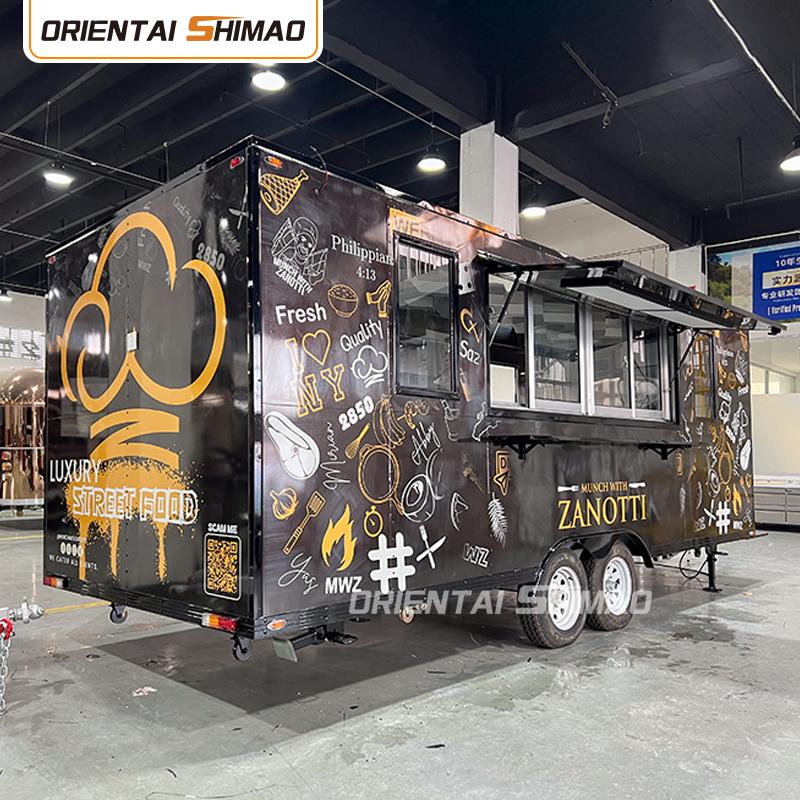
The Zero-Waste Wagon isn't just another food truck parked on a busy corner—it's a rolling experiment in how street food can ditch the trash bin entirely. Every ingredient that comes aboard is chosen with its end-of-life in mind: beet greens become pesto, carrot tops turn into chimichurri, and citrus peels are dried for spice blends. Even the serving vessels are made from pressed leaves or recycled paper that can go straight into a compost pile, not a landfill.
Behind the counter, the composting system is surprisingly simple but relentless. Scraps from prep are collected in stackable bins and hauled to a community garden plot twice a week, where they break down into soil for the very herbs used in the next week's sauces. Used cooking oil gets filtered into biodiesel for the generator, and any packaging that can't be composted is sorted, cleaned, and sent to a local recycling co-op that turns old plastic into benches for the park where the wagon parks.
The menu itself reimagines classic street food with a zero-waste twist. Instead of tossing day-old tortillas, they're fried into crunchy strips for a smoky tomato soup. Overripe fruit becomes a tangy glaze for grilled skewers, and the 'kitchen sink' tacos feature whatever vegetables didn't sell that morning, pickled or charred to order. It's fast, cheap, and satisfying—but with a conscience that lingers long after the last bite.
Order, Tap, Eat: The Frictionless Future of Food Trucks
The best street food has always had a rhythm: catch the cook's eye, shout over the hiss of the griddle, dig for crumpled bills. That's changing fast. A growing number of trucks now let you order before you're close enough to smell the onions. A few taps on a phone pull up a menu that updates with what's actually left—no more asking for the carnitas only to find the pan scraped clean. Payment happens in the same motion, so by the time you reach the window, you're just grabbing a bag and going.
For the people working the truck, this shift cuts both ways. Yes, it means fewer face-to-face exchanges, which can drain some of the charm. But it also removes the chaos of juggling shouted orders with a ticket rail and a card reader that loses signal at the worst moment. Orders arrive with prep times attached. Regulars get remembered by their preferences, not their face. A cook can see that three burritos are due in six minutes and pace the grill accordingly, instead of guessing how many tortillas to warm during a lull.
None of this means the food truck is becoming a vending machine. The frictionless part is just the transaction. What remains is the reason people cross a parking lot between meetings: a dish made by someone who cares, eaten standing up with a napkin tucked into your collar. The difference now is that the waiting happens somewhere else—on your walk over, in the elevator, at your desk—while the truck quietly turns orders into food. That's a future most of us can live with, especially when lunch is only seven minutes long.
Global Menus, Local Curbs: A World of Flavor on Four Wheels
You can roll through almost any city now and find a truck slinging tacos filled with gochujang-braised pork, or a battered fish sandwich spiked with turmeric and wrapped in a charred scallion pancake. The menu board might read like a passport, but the curb it parks on is unmistakably local. These four-wheel kitchens don't just transplant recipes; they let them collide with whatever the neighborhood grows, craves, and argues about.
What makes the best ones stick isn't a gimmick, it's the way they listen. The jerk chicken guy notices his regulars asking for extra pickled vegetables, so he starts fermenting his own with local radishes. A dumpling truck swaps out pork for smoked brisket because that's what the Saturday farmers market crowd brings up again and again. The global idea is the spark, but the daily adjustments are pure street-level instinct.
Pull up a plastic stool, watch the steam rise from a pot that's traveled ten thousand miles in someone's head, and you'll taste it: a horizon that fits in a paper boat. No reservations, no dress code, just the sound of a spatula scraping a griddle and a line of people who know exactly why they came.
When the Dessert Truck Becomes the Main Event
There's a certain magic that happens when a dessert truck pulls into a neighborhood and the whole block seems to lean in. It starts with the faint chime of a melody drifting from the speaker, then the low murmur of people leaving their porches, keys in hand, walking with that unhurried but purposeful stride. At first, the truck is just a vehicle—maybe a vintage step van with faded lettering or a glossy converted Airstream—but within minutes it becomes a gathering point. Kids press their palms against the serving window, adults swap recommendations, and someone inevitably says, "I wasn't even hungry, but now I need one." The meal that came before—the grilled chicken, the salad, the leftovers from Tuesday—fades into a distant memory. The dessert truck isn't a footnote to the evening; it’s the reason the evening still feels unfinished.
What makes these rolling confectioners so magnetic is that they invert the usual dining hierarchy. In a restaurant, dessert arrives at the end, a polite closing act after the real performance. But when a truck dedicated solely to sweets rolls up, the main course becomes the prelude. People plan their dinner around the truck's arrival time, sometimes skipping a proper meal altogether. They'll stand in a line that curls around the corner, not because they need the calories, but because they want to be part of the ritual. The menu itself becomes a conversation piece: seasonal fruit cobblers with a crackly oat topping, warm churros dusted in cardamom sugar, brown butter blondies that have no business being that soft. Forget the standard scoop of vanilla—these trucks serve creativity on a paper plate, and the crowd knows it.
Perhaps the real draw is the way a dessert truck reshapes public space. It doesn't demand a reservation or a dress code; it just needs a curb and a gathering dusk. Strangers become temporary neighbors, comparing bites of a salted caramel sundae or debating whether the peanut butter cookie is better than the lemon ricotta fritter. The truck itself becomes a landmark, a small beacon of sweetness in an ordinary parking lot. By the time the last order is handed through the window and the generator hums down, the block feels less like a collection of houses and more like a community that shared something. The main event wasn't the food before it—it was always going to be the truck, the wait, and the first impossible choice of what to order.
The New Town Square: Food Trucks as Community Catalysts
On a Thursday evening, the empty lot beside the old laundromat transforms. A bright orange truck opens its window, steam rises, and within minutes people drift over from nearby apartments. They aren't just buying food—they linger. Folding chairs appear, someone props a phone against a speaker, and conversations spill across the pavement. The food truck acts as an anchor, turning a forgotten corner into a shared living room.
Unlike brick-and-mortar restaurants, food trucks move to where people already are, but they also create destinations. Their rotating schedules, posted on social media, give neighborhoods something to look forward to midweek. Owners often team up with local artists or musicians, setting out picnic tables and string lights. These micro-gatherings break down isolation; strangers trade recommendations over paper plates, and the low start-up costs mean more diverse voices in the food scene, each truck bringing a family recipe or regional specialty.
Over time, these recurring mobile meals rebuild the habit of public life. Regulars get to know vendors by name, newcomers find a low-pressure entry point, and city planners have taken note, designating food truck zones in parks and plazas. What starts as a quick bite becomes an informal institution, proving that community doesn't need a grand building—just a parking spot, a warm meal, and a reason to stay.
FAQ
The best ones fuse a narrow, memorable idea with constant menu tweaks. Instead of trying to serve everything, they anchor around a single dish or regional cuisine and then push boundaries with seasonal specials. That focus keeps ordering fast but gives regulars a reason to return.
Trucks now treat curbside meals like chef-driven pop-ups. You see everything from hand-pulled noodles with wild mushroom broth to lobster rolls finished with brown butter miso. The shift is toward ingredient sourcing and plating that rival casual fine dining, just without the tablecloth.
Filipino sisig, Korean corn dogs, Georgian khachapuri, and regional Mexican moles are gaining serious traction. Operators are leaning into hyper-specific dishes rather than broad 'Asian' or 'Latin' labels, and that specificity builds trust with adventurous eaters.
They design menus around components that hold well and assemble quickly. Think braised meats, pickled vegetables, and sauces made in advance. The trick is not cooking everything to order but finishing each dish with a fresh element — herbs, a crunchy topping, a squeeze of citrus — right before it hits the window.
It acts as both map and menu. Trucks post their daily location and sold-out updates in real time, often through Stories rather than static posts. The most effective accounts show the messy, behind-the-scenes prep, which builds a loyal following that feels part of the operation.
Yes, but only when the concept has a signature item customers will cross town for. Many operators use the truck as a low-risk test kitchen, then open a small counter-service spot once they have data on best sellers and a reliable crew. The transition works best when the truck stays active as a mobile billboard.
The smartest operators mix high-volume public spots with private catering gigs. They track foot traffic, parking rules, and nearby office density rather than chasing every festival. A great Tuesday lunch spot outside a hospital can outperform a crowded weekend fair with high fees and long lines.
Breakfast-focused trucks serving things like Japanese soufflé pancakes or shakshuka with fresh pita often fly under the radar. Also, trucks dedicated to regional sandwiches — like a proper New Orleans muffuletta or a Philadelphia roast pork — tend to build cult followings because they fill a gap that fast casual chains ignore.
Conclusion
Street dining has quietly shed its old reputation as a last-resort meal on the go. Today's most inventive food trucks operate like compact, curb-side restaurants where chefs who once worked in white-tablecloth kitchens now plate dishes with the same precision they'd use in a brick-and-mortar dining room. Sustainability isn't an afterthought either: the zero-waste wagon turns composting and recycling into part of the customer experience, proving that reimagined street food can be both indulgent and responsible. Add in order-and-tap systems that let you skip the line and pay from your phone, and the entire meal becomes almost frictionless—no cash, no waiting, just food that arrives the moment you're ready for it.
What really sets these trucks apart, though, is how they broaden the whole idea of a menu. Global flavors roll up to local curbs with the confidence of a neighborhood favorite, and dessert trucks have stopped being an afterthought—they're now the reason people cross town. Beyond the food itself, these mobile kitchens act as informal town squares, turning empty parking lots and quiet streets into gathering places where strangers share tables and stories. The result is a street dining scene that feels less like a trend and more like a permanent shift in how we eat, connect, and expect more from a meal on four wheels.
Contact Us
Contact Person: Jack Wang
Email: [email protected]
Tel/WhatsApp: 8618306483516
Website: https://www.orientalshimaofoodtruck.com