

Top Tamping Rammer Makers Leading the Industry
2026-09-14
When it comes to tamping rammers, the difference between a smooth compaction job and a costly redo often comes down to the maker. That’s why industry professionals keep a short list of manufacturers they trust—and Dynamic keeps appearing on it. But what exactly sets the top tamping rammer makers apart? Let’s take a closer look at the leaders driving the industry forward.
Why Some Rammers Survive a Decade of Daily Trench Work
The first month on a trench rammer feels like someone is shaking your spine loose, your wrists swelling by noon, your ears ringing through dinner. Yet the ones who last ten years never fight the machine—they let its weight sink into the soil while their own body stays loose, knees slightly bent, elbows soft. They learn to shift the vibration away from the lower back, letting it travel down through the hips and into the ground where it belongs. A ten-second pause every half hour, just loosening the fingers and rolling the shoulders, makes the difference between chronic pain and another ordinary day.
After a few seasons, you stop guessing and start reading the fill. A veteran knows by the sound alone whether the gravel has locked in or if the clay is still spongy, and they throttle back before the rammer kicks. New guys death-grip the handle and pay for it with numb hands by week two; survivors keep a loose hold, letting the vibration run its course through the palm and out the forearm instead of jamming in the wrist joint. They also master the angle—slightly tilted, never flat—so the plate doesn't bounce but drives forward with each blow.
But physical tricks only carry you so far. The real reason some stick it out for a decade is a quiet shift in the mind. The repetitive thump becomes a rhythm you sync your breathing to, almost like a drumbeat. You stop counting hours and start noticing the small wins: a clean edge, a level patch, the look on the inspector's face when he nods without comment. The crew matters too—someone handing you a water bottle without being asked, covering your spot while you step out for two minutes of fresh air. Those tiny rituals turn a punishing job into a craft, and a decade into a kind of stubborn pride.
The Engineering Trade-offs Behind Power, Weight, and Vibration
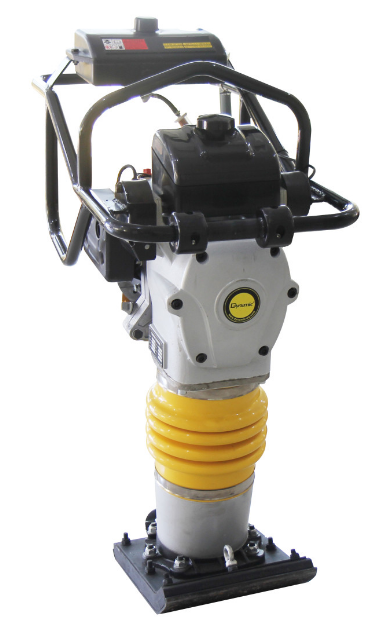
In mechanical design, power, weight, and vibration rarely move in the same direction. Crank up an engine's output and you introduce larger combustion pressure spikes and heavier reciprocating forces, which feed directly into structural shake. To keep that vibration from reaching the driver or damaging components, engineers add balance shafts, stiffer mounts, or extra ribbing in the block—all of which add kilograms and chip away at the power-to-weight ratio. Conversely, stripping weight with thin-wall castings or lightweight composites often drops structural damping, letting high-frequency buzz travel more freely through the chassis and into the cabin.
A familiar case is the inline-four engine's second-order imbalance. The clean fix is a pair of counter-rotating balance shafts, but that assembly typically adds several kilograms and consumes a small amount of power just to spin itself. Skip the shafts and the engine stays lighter and slightly more efficient, yet it shakes noticeably at high rpm. Some performance-oriented buyers accept that trade for a more direct feel and lower curb weight; mainstream commuters usually prefer the smoother option, even if it means a little more mass under the hood.
Finding the sweet spot involves more than just adding or subtracting hardware. Engineers can tune crank counterweights, adjust engine mount angles, or switch to hydraulically damped mounts to isolate vibration without a huge weight penalty—but each route carries its own cost, packaging, or durability implications. In the end, the decision hinges on who will use the machine, how much refinement they expect, and what the brand can afford to compromise. There is no universal answer, only a series of deliberate trade-offs.
A Closer Look at Impact Force Consistency
Impact force consistency is rarely a product of a single variable; it emerges from the interplay between tool geometry, material resistance, and the operator's biomechanical rhythm. While many tests isolate peak force under laboratory conditions, real-world applications reward the ability to repeat that peak within a narrow band across dozens or hundreds of strikes. A hammer that delivers 1000 N on the first blow and 600 N on the fifth is far less useful than one holding between 900 and 950 N throughout a shift.
One underappreciated factor is how small variations in grip pressure and wrist angle translate into measurable differences at the striking face. Even with identical arm speed, a slightly looser grip can dampen the transfer of kinetic energy, shaving off ten to fifteen percent of the expected force. Conversely, overgripping creates muscular co-contraction that slows the swing just enough to break rhythm. The most reliable tools are therefore those that offer enough feedback—through handle vibration, recoil pattern, or acoustic signature—for the user to self-correct without conscious thought.
Another subtle layer is thermal and mechanical fatigue during prolonged use. Head materials with poor heat dissipation will expand slightly, changing the coefficient of restitution against the same target. Handles that flex differently after thousands of cycles can shift the effective center of percussion, turning what began as a consistent impact point into a wandering one. Documenting force consistency over time, rather than in a single burst, reveals which designs maintain their character when the user is tired and the tool is hot.
How Leading Brands Handle Wet Clay and Frozen Ground
Top-tier brands rarely treat wet clay and frozen ground as problems to force through. They adjust their tooling, pace, and even their project timelines when conditions shift. For wet clay, many rely on wider bucket teeth or specialized clay spades that shed sticky material instead of letting it pack into every crevice. Some companies pre-score the surface with a ripper attachment to break the clay's cohesion before the main excavation pass, which cuts down on drag and fuel burn.
Frozen ground demands a different mindset altogether. Leading operators often switch to frost buckets with shorter, heavier teeth or add a hydraulic breaker to fracture the top layer before digging. They also monitor ground temperature rather than air temperature, since a sunny day can soften the surface while deeper soil stays rock-hard. Instead of pushing machines to their limits, seasoned crews shorten their work cycles, let the equipment warm up longer, and rotate operators more frequently to stay sharp.
What sets the best brands apart is how they document these conditions in their field notes and cost estimates. They account for slower cycle times, extra wear on cutting edges, and the possibility of needing a second machine on standby. By planning for the mess and the freeze rather than pretending they don't exist, they avoid blown budgets and broken equipment. Their clients notice the difference: fewer delays, cleaner trenches, and a final grade that doesn't need rework once the ground thaws.
Fleet-Wide Cost Analysis: What Rental Yards Prefer
Rental yards don't chase the lowest sticker price—they chase predictable total cost per hour across every machine in the fleet. A loader that burns 15% more fuel or needs axle seals twice as often erases any upfront savings by the second quarter. That's why fleet-wide cost analysis starts with telematics, not brochures: idle time, load cycles, and preventive maintenance intervals get pulled into one spreadsheet, and outliers get flagged before they become write-offs.
The preference in most yards is for standardization on a short list of models that share engines, filters, and even cab layouts. When a technician can fix any unit in the yard with one set of tools, parts inventory shrinks, and downtime drops. Fleet managers also favor machines that hold resale value through regional dealer support, because a strong rental return at year five is part of the cost equation—not just the purchase order.
Ultimately, what rental yards prefer is a cost model that accounts for real-world utilization: a compact excavator rented 800 hours a year has a very different ownership profile than the same model in a 2,000-hour yard. By tracking cost per billable hour rather than per machine, operators make replacement decisions based on evidence, not hunches, and keep the whole fleet earning instead of bleeding.
The Role of Local Parts Availability in Brand Loyalty
When a machine sits idle waiting for a replacement part, the owner isn't just losing hours - they're quietly reevaluating the nameplate on that equipment. Brands that keep regional warehouses stocked and can promise next-day, or even same-day, access to common wear items build a kind of trust that no advertising campaign can replicate. The convenience of knowing a hydraulic hose, bearing, or control module is only a short drive away often matters more than the initial purchase price.
That reliability shapes repeat buying behavior in subtle ways. A farmer or contractor who has never waited more than 48 hours for a critical component tends to default to the same manufacturer for their next loader, tractor, or excavator. In contrast, a single long delay caused by parts shipped from a distant distribution center can sour a relationship that had taken decades to develop. Local availability, in this sense, becomes a quiet form of customer retention.
Dealers also feel the effect. Franchises with healthy on-shelf inventory can handle seasonal spikes without making customers wait on backordered items, which strengthens the dealer's own reputation and, by extension, the manufacturer's. It is a loop: accessible parts reduce downtime, downtime reduction leads to stronger brand attachment, and that attachment translates into loyalty when it is time to trade in old equipment or add another machine to the fleet.
FAQ
Wacker Neuson, Bomag, Weber MT, and MBW usually lead the pack. Wacker Neuson has a broad dealer network, Bomag focuses on rugged compaction, and Weber MT is often preferred for lighter machines.
Premium rammers typically feature high-quality engines like Honda GX or Hatz diesel, thicker base plates, and better vibration isolation. They also tend to have more durable bellows and seals, which reduces long-term repair costs.
Weber MT and Bartell both build compact, easy-to-transport units. Their designs trim overall weight while preserving impact force, making them useful in tight trenches or when you need to move between job sites quickly.
Bomag and Wacker Neuson are solid options. Bomag's BT series delivers high impact rates on cohesive soils, while Wacker Neuson's BS series has a reputation for handling daily abuse with less downtime.
Most top brands provide gasoline and diesel variants. Gasoline models commonly use Honda or Robin/Subaru engines, while diesel options often rely on Hatz or Yanmar. Electric rammers exist but remain a niche choice.
Shoe width affects both coverage and compaction depth. A wider shoe covers more area but may reduce impact per square inch. Leading makers provide multiple widths so you can match the machine to soil conditions and lift thickness.
Yes, many segment their lines into standard, trench, and remote-control machines. Trench rammers have narrow profiles for confined spaces, while remote-control units are used on steep or unstable ground for operator safety.
Look at vibration-dampening handle designs, how easy it is to change the shoe or bellows, and local parts availability. A smaller brand with nearby support can often outperform a major name if spare parts are hard to find.
Conclusion
In the world of trench compaction, the brands that dominate are rarely the ones with the flashiest specs. They are the ones that have learned how to balance brute force with mechanical restraint. A rammer that survives ten years of daily trench work is not an accident; it is built around hardened guide cylinders, sealed bearings, and a shoe design that spreads impact stress instead of concentrating it. The leading manufacturers also obsess over something less visible: impact force consistency. A machine that delivers the same blow every time—regardless of fuel mix, altitude, or operator fatigue—compacts soil uniformly, which prevents future settling and callbacks. Getting that consistency means making real engineering trade-offs. More power usually adds weight and vibration, which can destroy both the machine and the operator’s hands. The top makers tune the crank and spring system so that each strike transfers maximum energy into the ground while minimizing rebound and frame shake.
Beyond the core mechanics, the best rammer builders distinguish themselves in difficult field conditions. Wet clay and frozen ground destroy lesser machines quickly, but leading brands use shoe profiles and throttle responses that keep the rammer moving forward instead of bogging down. Rental yards, which watch maintenance costs across entire fleets, tend to favor brands with lower total cost per hour—not just cheaper purchase price. That calculation includes how many hours the rammer runs before needing a rebuild, how easy it is to service in the field, and whether local dealers actually stock the wear parts. When a contractor can get a replacement bellows or carburetor kit in the same town instead of waiting a week for shipping, that brand earns loyalty that no marketing budget can buy. In the end, the industry leaders are those who treat every design decision—from foot plate metallurgy to parts distribution—as part of a single promise: the rammer will keep hitting hard, day after day, in the worst ground you can find.
Contact Us
Contact Person: Annie
Email: [email protected]
Tel/WhatsApp: 8613391442963
Website: https://www.dynamic-eq.com