

Triisopropanolamine Supplier You Can Rely On for Consistent Quality and Supply
2026-10-25
Sourcing triisopropanolamine often feels like a gamble—batch inconsistencies, delayed shipments, and vague specifications can derail your production schedule without warning. That’s why manufacturers who value downtime-free operations are switching to HAISEN. With a supply chain built around repeatable purity and on-time delivery, HAISEN removes the guesswork from your raw material pipeline. But what does 'consistent quality' actually look like in practice, and how does it translate to your bottom line? In this post, we’ll break down the key markers of a dependable TIPA supplier—and show you why settling for less is no longer an option.
What Separates a Transactional Vendor from a Supply Partner You Keep
A transactional vendor treats every order as a discrete event. They quote, you pay, they ship, and that is where the interaction ends. There is little curiosity about your production schedule, your end customer, or the pressures you face downstream. When problems arise, the default posture is defensive: whose fault is it, and what does the contract say? The relationship is measured almost entirely by unit price and delivery window, with little room for nuance or improvisation.
A supply partner, by contrast, behaves like an extension of your own planning team. They ask about your forecasts before you publish them, flag material shortages or freight bottlenecks before they become urgent, and occasionally push back with a better way to package or sequence an order. They remember that you had a quality issue eighteen months ago and check, unprompted, whether the corrective action is still holding. This kind of vendor earns renewal not because they are the cheapest, but because removing them would create friction your team would feel for quarters.
The difference often shows up in small, unglamorous moments. A transactional vendor waits for the purchase order. A supply partner calls to say a container has been delayed and offers three realistic alternatives before you ask. One sells you a product; the other protects your ability to keep your own promises.
Batch-to-Batch Consistency Checks That Go Beyond the Certificate
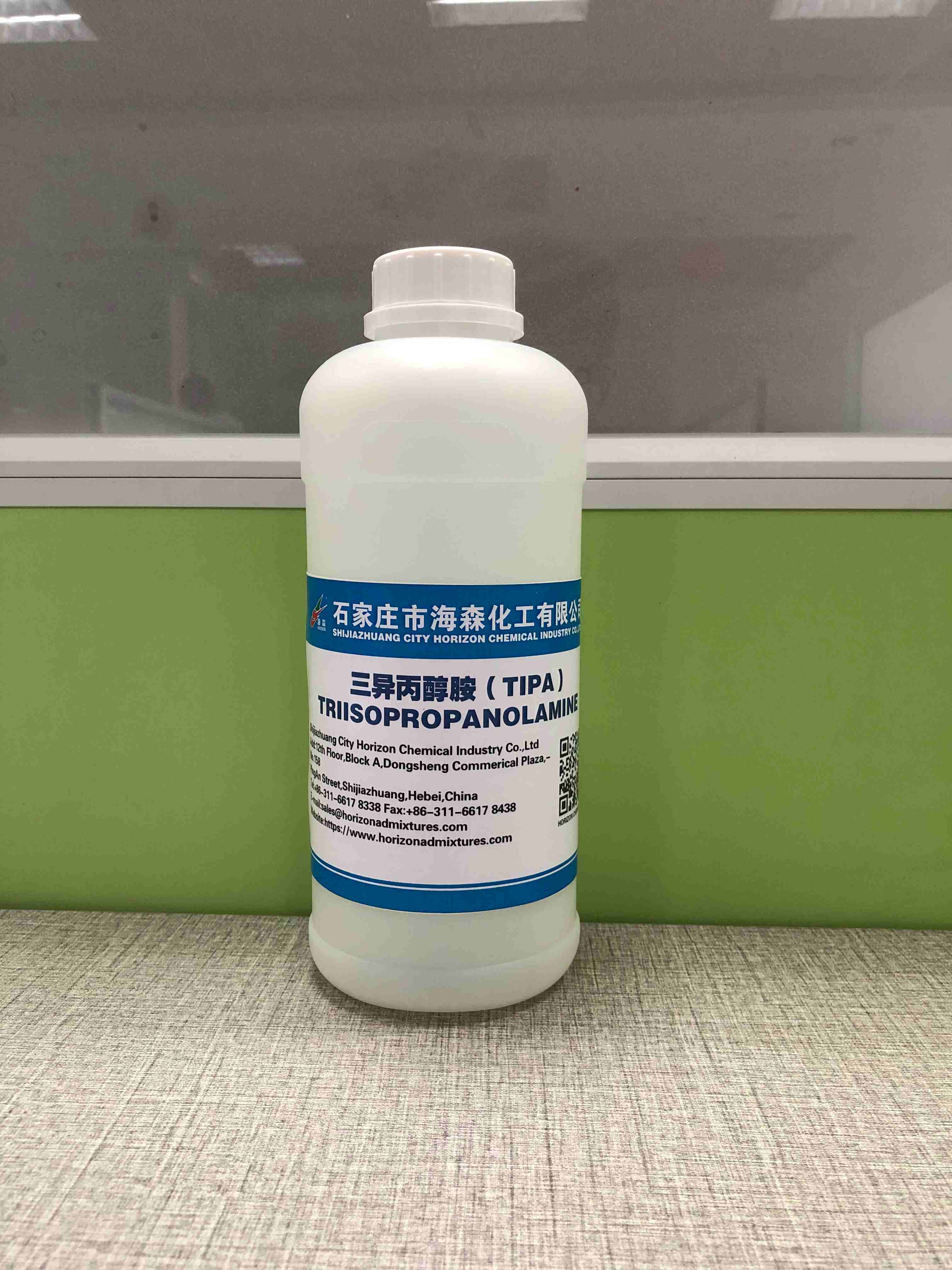
Most certificates of analysis are built around a handful of standard assays. They tell you whether a lot meets the agreed specs, but they rarely explain why two passing lots can perform so differently in the same process. A resin might fall within viscosity limits on paper, yet one batch flows poorly at low shear while another shows subtle changes in gel time. These nuances stay hidden because the certificate was never designed to capture them.
A more reliable approach uses the fingerprints of accepted batches as the baseline. Instead of checking each new lot against a fixed number, you compare its full profile—particle size distribution shape, thermal traces, near-infrared spectra, moisture sorption curves—against the historical range. Multivariate tools like principal component analysis condense dozens of measurements into a single distance score. That score flags lots that look fine on paper but drift from the norm, giving you a chance to quarantine material before it reaches production.
The strongest consistency checks tie directly to downstream behavior. When a batch passes every listed test but still gums up a mixer or shortens tool life, that is a signal your certificate is blind to something important. By logging these process hiccups and correlating them with raw material fingerprints, you build tighter internal criteria that no external certificate can replace. Over time, suppliers start receiving feedback that pushes them beyond the typical checkbox mentality—toward measuring the things that actually keep your line running.
Keeping Your Production Schedule Safe from Raw Material Delays
Raw material delays rarely arrive as a complete surprise. Most suppliers show early signs through shifting lead times or smaller, repeated shipment gaps. Instead of treating the delivery date on a purchase order as fixed, track how often each critical material actually arrives on schedule. When you see the gap between promised and actual dates widening for a particular item, pull that material into the next production review before it becomes a full stop. A small buffer in the master schedule for non-critical operations can absorb these early wobbles without forcing a full reschedule.
Blanket safety stock sounds safe but usually just locks up cash in items you rarely need. A more practical route is to sort raw materials by how hard they are to replace and how much downtime a shortage would cause. For materials with few alternate sources or long requalification processes, keep a working buffer that reflects real supplier reliability, not just a fixed week count. For common items with multiple local suppliers, run lean and rely on quick spot buys when needed. This split approach keeps your schedule protected without turning the warehouse into a storage unit for every possible problem.
The strongest warning system is often the least formal one. Regular short calls with supplier production or logistics staff can reveal a pending delay days before any official notice. Ask about their own raw material constraints, equipment maintenance windows, or trucking bottlenecks instead of just reconfirming your order. When a supplier flags a risk, have a pre-agreed alternative ready, such as a secondary approved source or a slightly different grade that still meets your spec. That way a single late delivery does not cascade into a stopped production line.
Where Triisopropanolamine Purity Directly Affects Your Finished Product
In cement grinding aids, low-purity triisopropanolamine usually brings along residual amines, water, and unreacted raw materials. These impurities quietly shift grinding efficiency, alter setting time, and introduce uneven air entrainment. A batch listed at 85% active content may look acceptable on paper, but in the mill it behaves unpredictably, leaving you with inconsistent early strength and a final product that doesn't match the previous run.
For polyurethane and coating formulations, trace aldehydes or color bodies left in unpurified TIPA react with isocyanates and resins over time. You might not notice anything during mixing, but weeks later the can shows yellowing, haze, or a slight change in hardness. Higher purity doesn't just reduce visible defects; it means the final product can be reproduced from one batch to the next without constantly adjusting catalyst levels or reformulating around new impurities.
In metalworking fluids, low-grade TIPA can accelerate corrosion or generate excessive foam because the leftover impurities often act as unintended surfactants or weak acids. The finished fluid may pass initial appearance checks, then fail salt spray or rust tests later. That forces extra inhibitors, defoamers, or pH buffers into the formula, driving up cost and making the product harder to stabilize across seasonal temperature swings.
How We Adjust Order Volumes Before Your Inventory Runs Thin
We don't wait for a static reorder point to blink at us. Each morning, our system compares the last seven days of actual consumption against the two prior weeks, so a sudden spike in a single SKU shows up before it becomes a gap on the shelf. If a product is moving 40 percent faster than its usual pace, we bump the next purchase order the same day rather than waiting for the next review cycle.
Supplier reliability gets baked into every adjustment too. One of our contract manufacturers was late by six days on two shipments last quarter, so we now carry a lead-time cushion on their items that reflects that actual delay, not a generic safety stock percentage. For faster, more dependable vendors, we trim that cushion back down so we're not tying up cash in excess units.
When a promotion or seasonal peak is winding down, we gradually step order volumes lower instead of cutting them off all at once. That keeps bestsellers replenished through the tail of demand while preventing a warehouse full of slow-moving leftovers. It's a rolling adjustment, not a one-time calculation, and it's built around your actual sell-through rather than a blanket forecast.
Why Repeat Buyers Stop Testing New TIPA Sources
Most repeat buyers don't stop testing new TIPA sources because they're lazy or complacent—they stop because the cost of a failed qualification run keeps climbing. Once a production line is tuned to a specific supplier's particle size, moisture level, or trace impurity pattern, even a promising alternative can force weeks of recalibration. Teams remember the last time a lower price meant rewriting three downstream SOPs and still missing a shipment deadline.
There's also the quiet power of incumbent supplier relationships. Long-term TIPA vendors often provide priority allocation during tight supply, waive rush fees, or share batch-level data without being asked. New sources may offer a cheaper unit price, but repeat buyers quickly learn that these extras have real operational value that doesn't show up in a quote comparison.
Internal approval friction often finishes the job. Qualifying a new TIPA source requires procurement, production, and quality teams to run parallel stability tests, update material specs, and collectively sign off on the change. Without a forcing event like a supply disruption or a sharp price spike, the default answer is "not now," and "not now" quietly becomes "never."
FAQ
We keep batch-to-batch variation tight and provide a certificate of analysis with every shipment, so you don't have to second-guess purity or moisture levels.
Our production lines run continuously, and we keep buffer stock for regular customers. Most bulk orders ship within five to seven business days after confirmation.
It's mostly used in cement grinding aids, metalworking fluids, and some specialty coatings. We also supply formulators who need a reliable amine for neutralization.
We test every lot for amine value, water content, and color, then hold it until it meets the same release specs. You'll see the actual numbers on the COA, not just a pass/fail stamp.
We offer 200-liter drums, IBC totes, and ISO tanks for larger volumes. If you need a custom fill size or returnable containers, we can usually arrange that with a short lead time.
Our chemists can help with dosing levels, compatibility checks, and storage recommendations. It's a practical conversation, not a sales pitch.
Every order includes SDS, COA, and proper labeling for the transport mode. We handle the paperwork for road, rail, or sea freight so your customs clearance doesn't stall.
We keep long-term contracts with upstream suppliers and maintain safety stock at two regional warehouses. That has helped us avoid allocation for most customers even when the market tightens.
Conclusion
Finding a triisopropanolamine supplier that actually understands your production demands means looking past a one-time quote and a certificate of analysis. A transactional vendor will send you a drum and disappear until the next order, but a supply partner you keep works differently. They know that batch-to-batch consistency is about more than the numbers on paper; it is about how the material behaves in your reactor, how color and moisture drift over time, and how minor variations can silently alter your downstream curing or neutralization steps. That kind of attention is why repeat buyers stop testing new TIPA sources altogether. They have already measured the cost of a failed trial, a reformulation scare, or an unplanned line stoppage caused by a raw material that was technically in spec but practically off. A dependable partner pairs that level of scrutiny with buffer stock planning and flexible order volumes, so your inventory never runs thin before a shipment arrives. When purity directly affects your finished product, whether you are producing cement grinding aids, polyurethane catalysts, or corrosion inhibitors, the supplier’s quality systems must extend beyond the lab and into logistics and demand forecasting. That is what separates a vendor who sells you a chemical from a partner who protects your production schedule.
Working with a reliable triisopropanolamine source means you are not left recalculating lead times or chasing freight statuses every quarter. Instead, you get a supplier who adjusts order volumes before your inventory dips into risk territory, communicates transparently about production and shipping windows, and maintains enough regional stock to absorb unexpected spikes in demand. This approach keeps your schedule safe from raw material delays without forcing you to hold excessive safety stock that eats up working capital. In practice, it feels less like a procurement transaction and more like an extension of your own planning team. That is the reason why companies that have experienced one delayed shipment or one questionable batch tend to stay put once they find a TIPA supplier who consistently delivers the same material, on time, without drama. Consistency in quality and supply is not a slogan; it is the absence of surprises, and that is exactly what your production line needs.
Contact Us
Contact Person: Sam Lee
Email: [email protected]
Tel/WhatsApp: 86-311-6617 8338
Website: https://www.horizonadmixtures.com/